Red Light Therapy for Dementia
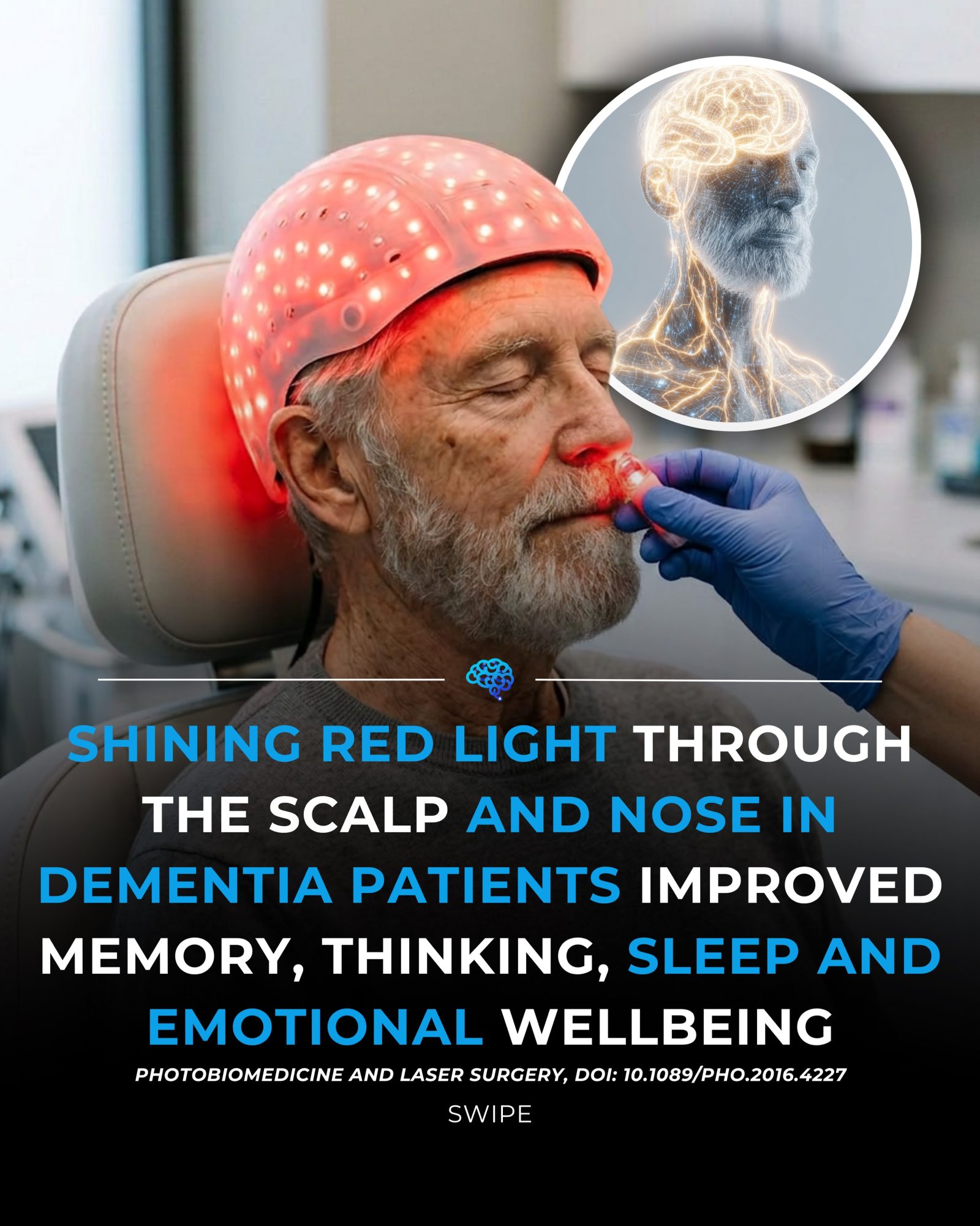
Red light therapy, specifically photobiomodulation, is a non-invasive medical treatment that has shown promise in improving cognitive function, sleep, and emotional wellbeing in individuals with dementia. This therapy involves the application of near-infrared light to the scalp and nose, aiming to enhance brain function by boosting cellular energy production.
Why This Matters
Dementia affects millions worldwide, causing significant declines in cognitive abilities and quality of life. Traditional treatments often focus on managing symptoms rather than addressing the underlying causes. Red light therapy offers a novel approach by targeting cellular mechanisms that may slow or reverse some of the degenerative processes associated with dementia.
The Science Behind Red Light Therapy
Mechanism of Action
Red light therapy works by delivering near-infrared light to the brain through the scalp and nose. This light penetrates the tissue and is absorbed by mitochondria, the powerhouses of cells. The absorption of light by mitochondria stimulates the production of adenosine triphosphate (ATP), the primary energy currency of cells. This boost in energy can enhance cellular function and potentially improve overall brain health.
Clinical Studies
Researchers have conducted several studies to evaluate the efficacy of red light therapy in dementia patients. One notable study involved delivering near-infrared light therapy to dementia patients over 12 weeks. The results were promising, with participants showing significant improvements in cognitive scores, better sleep patterns, reduced anxiety, and fewer angry outbursts. However, these gains faded once the treatment stopped, highlighting the need for ongoing therapy.
A follow-up study strengthened these findings. Eight patients were randomly assigned to either usual care or home light therapy. The treatment group showed cognitive improvements, along with measurable increases in brain blood flow and connectivity. Both studies suggest that near-infrared light absorbed by mitochondria boosts their energy output, a mechanism that has growing research support for enhancing brain function.
Benefits and Limitations
The primary benefit of red light therapy is its non-invasive nature and potential to improve cognitive function and emotional wellbeing in dementia patients. However, it is essential to note that the studies conducted so far are relatively small. Larger trials are necessary to validate these findings and determine the long-term effects of this therapy.
Practical Tips for Implementing Red Light Therapy
Consult with a Healthcare Professional
Before beginning any new therapy, it is crucial to consult with a healthcare professional. They can provide guidance based on individual health needs and monitor progress throughout the treatment.
Consistent Treatment
Consistency is key with red light therapy. Patients in the studies received treatment over 12 weeks, suggesting that ongoing therapy may be necessary to maintain benefits.
Home vs. Clinical Settings
While clinical settings offer controlled environments, home therapy can provide convenience and comfort. Home therapy devices, such as those used in the follow-up study, allow patients to receive treatment in a familiar setting.
Monitoring Progress
Regular cognitive assessments and monitoring of emotional wellbeing can help track the effectiveness of the therapy. Keeping a journal or using mobile apps designed for cognitive health can also be beneficial.
Important Takeaways
Red light therapy, particularly photobiomodulation, presents a promising avenue for improving cognitive function and emotional wellbeing in dementia patients. The therapy works by boosting cellular energy production in the brain, a mechanism supported by growing research. While initial studies show positive results, larger trials are needed to confirm these findings and determine the long-term benefits.
Conclusion
Red light therapy offers a non-invasive and potentially effective treatment for dementia. By delivering near-infrared light to the brain, this therapy targets cellular mechanisms that may slow or reverse the degenerative processes associated with dementia. While more research is needed, the underlying science is compelling and worth further exploration. Consult with a healthcare professional to determine if red light therapy is a suitable option for managing dementia symptoms.
Questions readers ask
What is red light therapy and how does it work for dementia?
Red light therapy, also known as photobiomodulation, is a non-invasive treatment that uses near-infrared light applied to the scalp and nose. For individuals with dementia, this therapy aims to boost cellular energy production in the brain, potentially enhancing cognitive function, sleep, and overall emotional wellbeing.
How can red light therapy improve brain function in dementia patients?
Red light therapy may improve brain function in dementia patients by increasing cellular energy production. This boost in energy can help neurons function more effectively, potentially slowing or even reversing some of the degenerative processes associated with dementia.
What are the benefits of near-infrared light therapy for dementia?
Near-infrared light therapy, a form of red light therapy, has been found to improve cognitive function, sleep quality, and emotional wellbeing in individuals with dementia. By enhancing the body's ability to produce energy at the cellular level, it can assist in overall brain health and potentially mitigate some symptoms of dementia.
Is red light therapy a suitable option for everyone with dementia?
While red light therapy shows promise, it may not be suitable for everyone with dementia. It is essential to consult with a healthcare provider to determine if this therapy is appropriate for an individual's specific condition and overall health. Some individuals may have conditions or take medications that could interact with light therapy.
What does photobiomodulation involve for dementia treatment?
Photobiomodulation for dementia treatment involves the application of low-level light to the scalp and nose. This process stimulates cellular activity, enhancing the brain's ability to generate energy. The therapy is non-invasive and can be performed in a clinical setting or even at home with the right equipment.
How does red light therapy compare to traditional dementia treatments?
Unlike traditional treatments that often focus on symptom management, red light therapy targets the underlying causes of dementia by boosting cellular energy production. This novel approach aims to slow or reverse some of the degenerative processes, potentially offering a more proactive way to address dementia.
Recent articles
Fresh deep dives from the latest Reels we unpacked.




Comments
Be the first to comment.