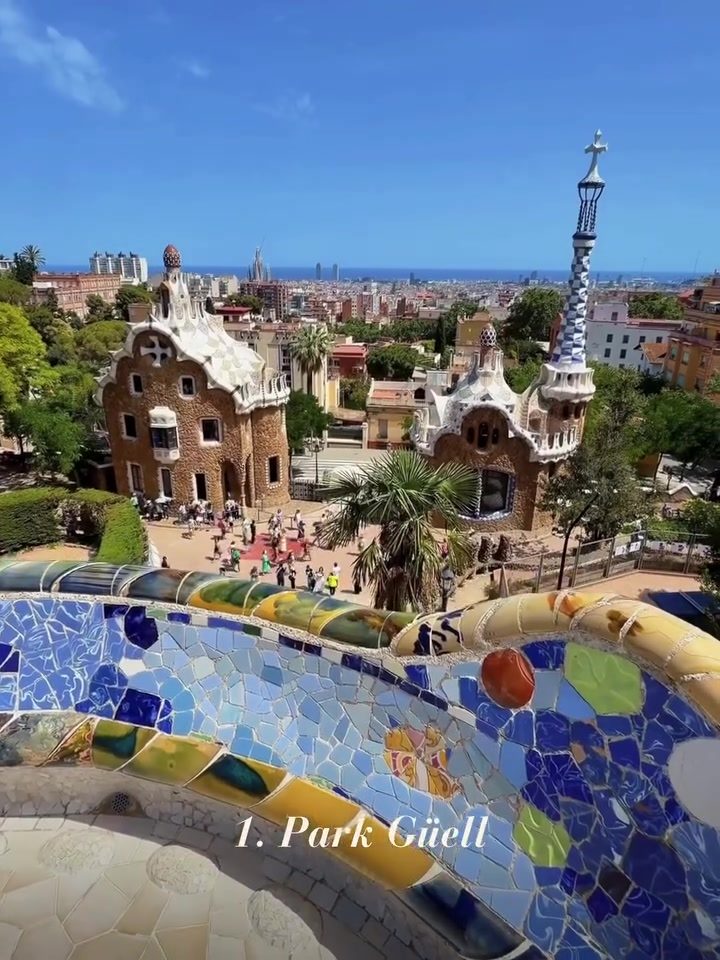
Park Güell in Barcelona
Barcelona is renowned for its vibrant culture, stunning architecture, and rich history. Among its many attractions, Park Güell stands out as a must-visit destination. Designed by the iconic architect Antoni Gaudí, Park Güell is a UNESCO World Heritage Site that offers a unique blend of nature and artistry.
Context / Why this matters
Park Güell is more than just a park; it's a testament to Gaudí’s genius and a symbol of Barcelona's architectural heritage. Located on Carmel Hill, the park provides panoramic views of the city, making it a favorite spot for both locals and tourists. Its enchanting landscape, dotted with Gaudí’s signature mosaic work and whimsical structures, creates a magical atmosphere that is both visually stunning and spiritually uplifting.
Main discussion
The Artistic Vision of Antoni Gaudí
Park Güell is the embodiment of Antoni Gaudí’s creative vision. The park was initially conceived as a private residential garden city for the wealthy, but it eventually transformed into a public park following financial difficulties. Despite its change in purpose, Gaudí’s artistic genius shines through every corner of the park.
The Colorful Mosaics
One of the most striking features of Park Güell is its vibrant mosaics, known as trencadís. These mosaics, made from broken ceramic tiles, glass, and other materials, adorn the park’s walls, benches, and structures. The most famous of these is the serpentine bench that winds along the main terrace, offering breathtaking views of the city and the Mediterranean Sea. Gaudí’s use of trencadís not only adds a burst of color but also exemplifies his commitment to recycling and sustainability.
The Architectural Marvels
Beyond the mosaics, Park Güell is home to several architectural marvels. The Hypostyle Room, a forest of Doric columns supporting a roof terrace, is one of the most impressive structures. The room is adorned with intricate mosaics and features a central skylight that allows natural light to filter through, creating a serene and mystical atmosphere. Other notable structures include the Doric columns and the famed dragon staircase, which leads visitors to the main entrance of the park.
The Natural Beauty
While Gaudí’s artistic vision is the park’s main attraction, the natural beauty of Park Güell cannot be overlooked. The park is lush with gardens filled with a variety of plants, including cypress trees, palm trees, and vibrant flowers. The greenery provides a tranquil contrast to the vibrant mosaics and intricate architecture, making Park Güell a harmonious blend of nature and art.
Exploring Park Güell
Visiting Park Güell is a sensory experience that engages all your senses. The park is divided into two main areas: the Monumental Zone and the Cross Zone. The Monumental Zone, which includes Gaudí’s iconic structures, requires a timed entry ticket. The Cross Zone, on the other hand, is free to enter and offers a more relaxed, green space.
The Monumental Zone
The Monumental Zone is where you’ll find the park’s most famous attractions. This includes the serpentine bench, the Hypostyle Room, and the Dragon Staircase. Guided tours are available, offering insight into the history and design of the park. Whether you opt for a guided tour or explore on your own, the Monumental Zone is a must-visit for anyone interested in Gaudí’s work or Catalan architecture.
The Cross Zone
The Cross Zone is perfect for those looking to escape the crowds and enjoy a more serene experience. This area features winding paths, lush greenery, and panoramic views of Barcelona. It’s an ideal spot for picnics, leisurely walks, or simply to sit and take in the beauty of the park. The Cross Zone is free to enter, making it accessible to everyone.
The Gardens and Pathways
One of the joys of exploring Park Güell is getting lost in its winding pathways and hidden gardens. The park’s layout encourages exploration, with paths that meander through lush vegetation and overlook stunning vistas. Keep an eye out for hidden sculptures and mosaics tucked away in quiet corners, adding an element of surprise to your visit.
Practical tips
Best Time to Visit
The best time to visit Park Güell is during the spring or fall when the weather is mild and the crowds are smaller. If you prefer warmer weather, summer is also a great time to visit, but be prepared for larger crowds and longer lines.
Getting There
Park Güell is easily accessible by public transportation. The nearest metro station is Lesseps, which is a short walk away. You can also take the H6 bus, which stops directly at the park. If you prefer to drive, there is a nearby parking lot, but spaces can fill up quickly.
What to Bring
Comfortable walking shoes, a water bottle, and sunscreen are essential for exploring Park Güell. The park features many stairs and uneven surfaces, so wear shoes that are suitable for hiking. Don’t forget a camera to capture the stunning views and vibrant mosaics.
Plan Your Route
To make the most of your visit, consider planning your route in advance. Start with the Monumental Zone to see the main attractions, then explore the Cross Zone for a more relaxed experience. If you have limited time, focus on the key highlights, such as the serpentine bench, the Hypostyle Room, and the Dragon Staircase.
Important takeaways
Park Güell is a testament to Antoni Gaudí’s creative genius and a must-visit destination in Barcelona. Visiting this UNESCO World Heritage Site is a sensory experience that combines vibrant artistry with natural beauty. From the iconic mosaics to the architectural marvels and lush gardens, Park Güell offers a unique blend of nature and art that is both visually stunning and spiritually uplifting.
Conclusion
Park Güell in Barcelona is more than just a park; it’s an experience that immerses you in the creative genius of Antoni Gaudí. Whether you’re an architecture enthusiast, a nature lover, or simply seeking a unique and beautiful place to visit, Park Güell offers something for everyone. So, the next time you’re in Barcelona, be sure to include Park Güell in your itinerary and prepare to be awestruck by its enchanting beauty.
Questions readers ask
What are the opening hours of Park Güell in Barcelona?
Park Güell's opening hours vary by season. Typically, it opens at 8:30 AM and closes between 6:30 PM and 8:30 PM. During peak summer months, the park may stay open later. It's always a good idea to check the official website for the most up-to-date information.
How can I get to Park Güell from the city center?
Getting to Park Güell from the city center is convenient using public transportation. You can take the green line (L3) of the metro to Vallcarca station and then take the bus number 24. For a scenic route, consider a taxi or a ride-sharing service up the hill.
What is trencadís and why is it significant in Park Güell?
Trencadís is a mosaic technique pioneered by Antoni Gaudí, using broken ceramic tiles, glass, and other materials. It is significant in Park Güell because it is extensively used in many of the park's structures, adding a unique and colorful aesthetic that is emblematic of Gaudí's signature style.
What are some must-see attractions within Park Güell?
Some must-see attractions within Park Güell include the Hypostyle Room, a grand columned hall designed to support the main terrace; the Dragon Stairway, adorned with a famous dragon sculpture; and the Nature Walk, which offers stunning views of the city and the Mediterranean Sea.
Is there an entrance fee for Park Güell?
Yes, there is an entrance fee for Park Güell, with different prices for adults, children, and senior citizens. It is recommended to purchase tickets online in advance, as the park can get quite busy, especially during peak tourist seasons.
Are there guided tours available at Park Güell?
Yes, guided tours are available at Park Güell and can be a great way to deepen your understanding of the park's history and architecture. These tours are led by knowledgeable guides who can provide insights into Gaudí's vision and the park's significance.
What are the best times to visit Park Güell to avoid crowds?
To avoid crowds at Park Güell, consider visiting early in the morning or late in the afternoon, just before closing time. Weekdays are generally less crowded than weekends, and visiting during the off-peak seasons of spring and fall can also provide a more serene experience.
Related deep dives
Similar reads based on topic and creator.




Recent articles
Fresh deep dives from the latest Reels we unpacked.



Comments
Be the first to comment.