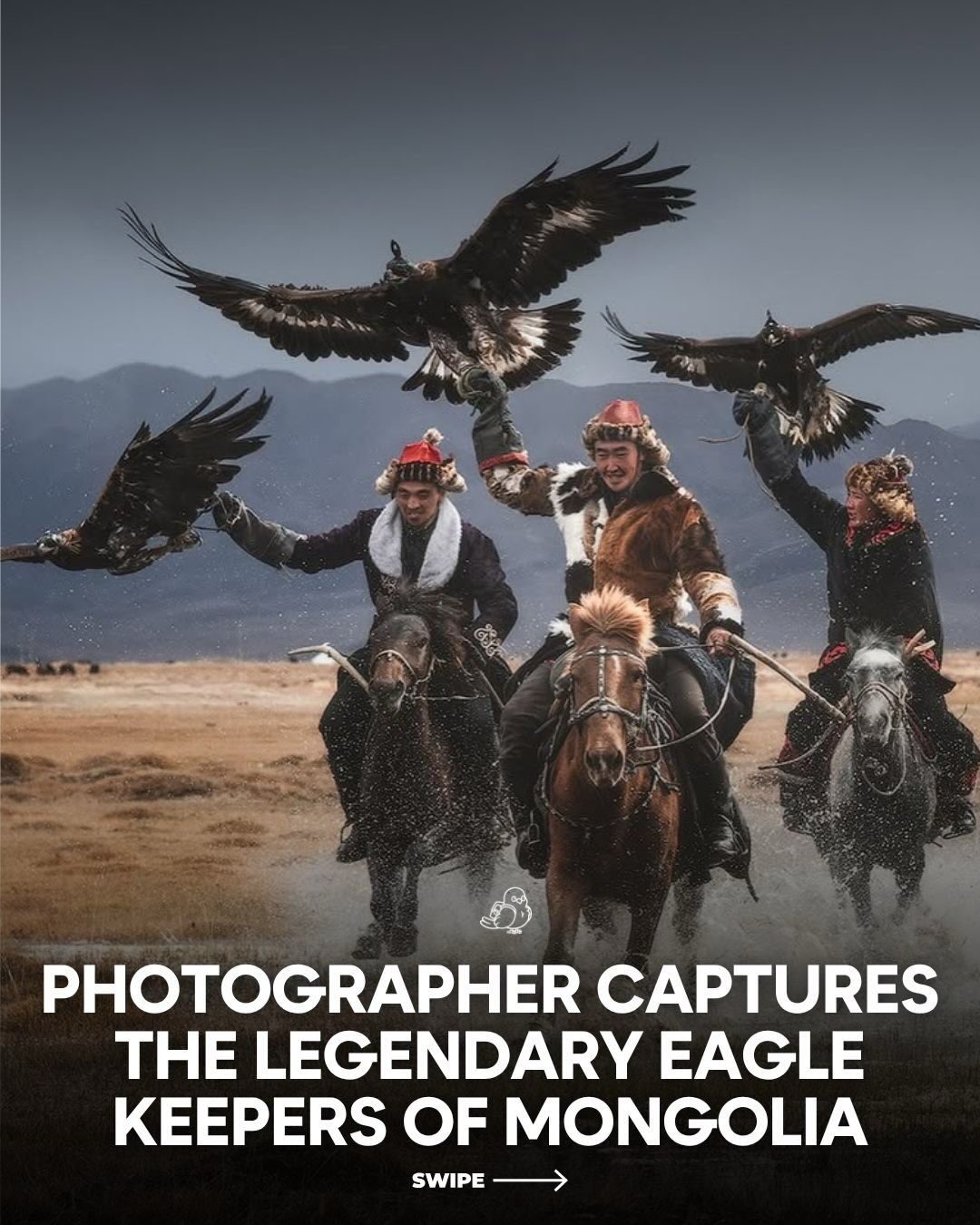
Eagle Keepers of Mongolia
Eagle keepers in Mongolia, known as burkitshi, represent a unique and ancient tradition that has captivated people worldwide. The bond between the hunters and golden eagles is a testament to an intricate relationship that has been forged over centuries. Nestled in the remote mountains of western Mongolia, this practice is deeply ingrained in the region's culture. Most eagle keepers are ethnic Kazakhs from Bayan-Ölgii Province, where the tradition of using golden eagles to hunt foxes and hares during the winter months has persisted.
Why this matters
The art of eagle hunting in Mongolia is not merely a method of survival; it is a cultural heritage passed down through generations. This practice offers insights into the harmonious relationship between humans and nature, illustrating how humans can coexist and utilize the skills of one of the world's most majestic birds. This practice extends beyond utility, embodying a profound spiritual and cultural significance.
The Tradition of Eagle Hunting
Origins and Cultural Significance
Eagle hunting, or burkitshi, has its roots in the nomadic lifestyle of the Kazakh people. The practice has been a staple for centuries, deeply embedded in the cultural fabric of the region. The Kazakh people, who predominantly reside in Bayan-Ölgii Province, have honed their skills in training and working with golden eagles to hunt small game such as foxes and hares. This tradition has been passed down through generations, preserving the knowledge and skills required to maintain this unique bond.
The Bond Between Hunters and Eagles
The process of training an eagle involves capturing a young bird and nurturing it to build a close partnership. The bond between the hunter and the eagle is built on trust and mutual respect. Hunters spend years training their eagles to hunt and return on command, a skill that requires patience, dedication, and a deep understanding of the bird's instincts. The relationship is so profound that after many years, the eagles are often released back into the wild to breed and help sustain healthy populations, ensuring that the tradition can continue for future generations.
The Practical Aspects of Eagle Hunting
Training and Techniques
Capturing and training a young eagle is a meticulous process that requires a deep understanding of the bird's behavior and instincts. Hunters typically capture young eagles and spend years building a close bond with them. During this period, the hunters teach the eagles to hunt and return on command. This involves using specific calls, gestures, and techniques to communicate effectively with the birds.
Hunting Practices
Golden eagles are primarily used to hunt foxes and hares, especially during the snowy winter months when other forms of hunting are challenging. The eagles' keen eyesight and hunting skills make them invaluable partners in this harsh environment. The hunters rely on their eagles to spot and capture prey, and the eagles, in turn, depend on their human partners for food and protection.
Practical Tips for Aspiring Photographers
Capturing the essence of eagle hunting in Mongolia requires not only technical skill but also an understanding of the cultural context and the unique bond between the hunters and their eagles. Here are a few tips for aspiring photographers:
Understanding the Culture
Before attempting to photograph eagle keepers, it is essential to understand and respect the cultural significance of the practice. This involves learning about the Kazakhs' way of life, their traditions, and the importance of the eagles in their culture. By gaining this understanding, photographers can capture more authentic and meaningful images.
Building Trust
Building trust with the eagle keepers is crucial for capturing genuine and emotional photographs. This involves spending time with the hunters, showing respect for their traditions, and allowing them to feel comfortable with your presence. By building this trust, you can capture images that truly reflect the bond between the hunters and their eagles.
Choosing the Right Equipment
Photographing eagle hunting in Mongolia requires the right equipment. A telephoto lens is essential for capturing close-up shots of the eagles in action. Additionally, a fast shutter speed and a sturdy tripod can help you capture sharp and detailed images, even in low-light conditions.
Patience and Timing
Patience is key when photographing eagle hunting. The process can be unpredictable, and it may take time for the eagles to capture prey. By being patient and waiting for the right moment, you can capture stunning and dramatic images that truly tell the story of this ancient tradition.
Important takeaways
The tradition of eagle hunting in Mongolia is a testament to the profound bond between humans and nature. This ancient practice offers valuable insights into the cultural heritage of the Kazakh people and the deep connection they share with golden eagles. By understanding and respecting this tradition, photographers and visitors alike can gain a deeper appreciation for the unique relationship between humans and one of nature’s most powerful birds.
Conclusion
Eagle keepers in Mongolia embody a unique and ancient tradition that showcases the harmonious relationship between humans and nature. The bond between the burkitshi and their golden eagles is a testament to centuries of cultural heritage and skill. By understanding and respecting this tradition, we can gain a deeper appreciation for the beauty and significance of this remarkable practice. Whether you're a photographer, a cultural enthusiast, or simply someone who loves the beauty of nature and wildlife, the story of the eagle keepers of Mongolia is one that will captivate and inspire you.
Questions readers ask
Who are the burkitshi and where can they be found?
The burkitshi are eagle hunters from Mongolia, primarily found in the Bayan-Ölgii Province. They are known for their centuries-old tradition of using golden eagles to hunt foxes and hares, particularly during the winter months.
What is the significance of the bond between the burkitshi and their eagles?
The bond between the burkitshi and their golden eagles is a testament to an intricate relationship that has been forged over centuries. This bond is a key aspect of the Mongolian hunting culture and is deeply rooted in the region's traditions. The eagles are not just hunting tools; they are partners in the hunting process.
What role does nature play in the burkitshi tradition?
Nature plays a fundamental role in the burkitshi tradition. The hunters cultivate a harmonious relationship with the environment, using their eagles to hunt as a means of survival and maintaining a connection to the natural world. This tradition highlights the interconnectedness of humans and nature.
How do Kazakh eagle hunters preserve their hunting culture?
The Kazakh eagle hunters preserve their hunting culture through generations by passing down the knowledge and skills required for eagle hunting. This tradition is not just about hunting but also about maintaining a deep connection to their cultural heritage and the natural world.
What kinds of prey are targeted by the Mongolian eagle hunters?
The Mongolian eagle hunters, or burkitshi, primarily use their golden eagles to hunt foxes and hares. These animals are targeted during the winter months, when other food sources may be scarce, making the eagles' hunting skills crucial for survival.
What is the significance of the golden eagle in Mongolian culture?
The golden eagle holds significant cultural importance in Mongolia, particularly among the Kazakh people. These majestic birds are not only valued for their hunting prowess but also for the deep bond they form with their keepers, symbolizing the harmonic relationship between humans and nature.
How does the art of eagle hunting contribute to Mongolian culture?
The art of eagle hunting contributes to Mongolian culture by preserving a unique and ancient tradition that has been passed down through generations. This practice is a testament to the region's rich heritage and its people's deep connection to the natural world, offering valuable insights into their way of life.
Related deep dives
Similar reads based on topic and creator.




Recent articles
Fresh deep dives from the latest Reels we unpacked.




Comments
Be the first to comment.