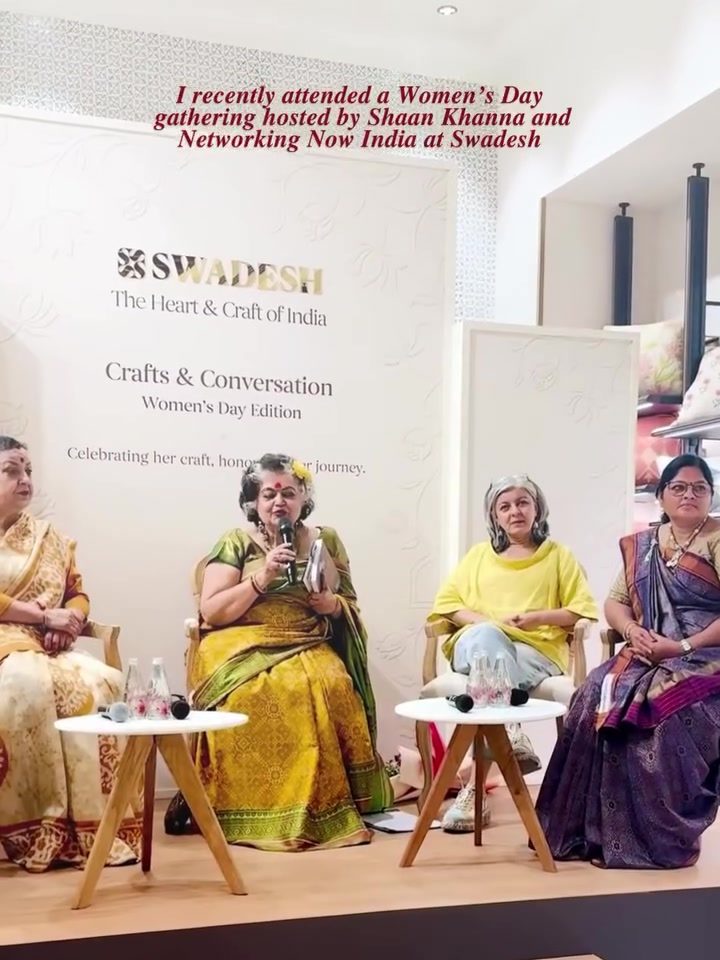
Women's Day Networking Event at Swadesh
Women's Day events often highlight the achievements and contributions of women, and the gathering at Swadesh was no exception. Hosted by Shaan Khanna and Networking Now India, this event was a unique blend of craftsmanship and conversation, celebrating the rich cultural heritage of India. The event delved into various traditional crafts, including Thangka painting, Patola weaving, Chamba Rumal embroidery, and Phad storytelling, each carrying deep cultural significance.
Context / Why this matters
In the world of branding and creative industries, understanding and embracing cultural heritage can make a significant impact. For years, many Indian brands have tried to appear more global by distancing themselves from their roots. However, this narrative is shifting as more brands proudly embrace the "Made in India" tag, drawing inspiration from the country's rich craft, colour, and culture. This shift is not just about aesthetics; it's about the stories and meanings behind the crafts, which bring a deeper layer of authenticity and resonance to the brands.
Main discussion
The Artistry and Meaning
The event at Swadesh was a showcase of some of India's most revered crafts. Each craft has a unique story and significance:
- Thangka Painting: Originating from Tibet, Thangka paintings are intricate scroll paintings often used as meditation aids. They depict Buddhist deities, mandalas, and other sacred symbols.
- Patola Weaving: A double-ikat weaving technique from Gujarat, Patola weaving is renowned for its complex patterns and vibrant colours. It's a meticulous process that involves dyeing and weaving to create intricate designs.
- Chamba Rumal Embroidery: Hailing from the Chamba region of Himachal Pradesh, this embroidery technique is known for its delicate and intricate designs. It often features floral and geometric patterns and is traditionally used to create handkerchiefs and cloths.
- Phad Storytelling: Phad is a traditional scroll painting and storytelling art form from Rajasthan. It narrates folk tales and epics through vivid paintings and illustrations, often accompanied by song and dance.
The Cultural Shift
The event highlighted a significant shift in how Indian brands are perceiving their cultural heritage. For a long time, there was a trend to adopt a global look and feel, which often meant downplaying or overlooking local craftsmanship. However, the event showcased how embracing these traditional crafts can be a powerful tool for branding. By incorporating elements of Thangka painting, Patola weaving, Chamba Rumal embroidery, and Phad storytelling, brands can create products and campaigns that resonate deeply with their audience.
The Role of Craft in Branding
Embracing traditional crafts in branding brings a sense of authenticity and depth. For instance, using designs inspired by Chamba Rumal embroidery in clothing or home decor can evoke a sense of tradition and craftsmanship. Similarly, incorporating the intricate patterns of Patola weaving into textile designs can add a unique, vibrant touch. The storytelling aspect of Phad can be integrated into marketing campaigns to create engaging narratives. These crafts provide a rich tapestry of visual and narrative elements that can be woven into modern branding strategies.
Practical tips
Authenticity in Branding
For brands looking to incorporate traditional crafts, the key is authenticity. It's not just about using the designs but also understanding the stories and meanings behind them. Collaborating with craftspeople and artisans can help in creating products that are not only visually appealing but also carry cultural significance.
Storytelling and Marketing
Storytelling is a powerful tool in marketing, and traditional crafts provide a wealth of stories. For instance, the stories behind Thangka paintings can be used to create compelling content around mindfulness and spirituality. The intricate stories behind Patola weaving can be used to create campaigns around craftsmanship and tradition. The narratives in Phad storytelling can be used to create engaging marketing content.
Collaboration and Innovation
Collaborating with artisans and craftspeople can bring a fresh perspective to branding. It's an opportunity to learn from traditional techniques and innovate. For instance, modern technology can be used to enhance traditional crafts, creating new possibilities for design and production.
Important takeaways
Embracing Cultural Heritage
Embracing cultural heritage in branding can bring a sense of authenticity and depth to products and campaigns. It's a way to connect with the audience on a deeper level, evoking emotions and stories that resonate.
The Power of Craft
Traditional crafts are not just about aesthetics; they carry rich cultural and historical significance. Incorporating these crafts into branding can add a layer of meaning and authenticity to products and campaigns.
The Future of Branding
The shift towards embracing "Made in India" and traditional crafts reflects a broader trend in branding. It's about authenticity, storytelling, and cultural heritage. As brands continue to evolve, incorporating these elements can create a unique and powerful identity.
Conclusion
The Women's Day networking event at Swadesh was more than just a celebration of women's achievements; it was a testament to the rich cultural heritage of India and the power of traditional crafts in branding. As brands continue to embrace their roots and draw inspiration from the country's rich craft, colour, and culture, they are not only creating unique and authentic products but also carrying forward the stories and meanings behind these crafts. This shift towards embracing cultural heritage is a powerful trend in branding, one that resonates deeply with audiences and creates a meaningful connection.
Questions readers ask
What are Thangka paintings and why were they featured at the Women's Day event at Swadesh?
Thangka paintings are traditional Tibetan Buddhist scroll paintings, often depicting deities, mandalas, or significant Buddhist figures. They were featured at the Women's Day event to highlight the intricate artistry and spiritual significance they hold in Indian cultural heritage. By showcasing these paintings, the event emphasized the importance of preserving and celebrating these artistic traditions.
What makes Patola weavings unique and significant in Indian textile arts?
Patola weavings are renowned for their intricate double ikat technique, which involves dyeing both warp and weft threads before weaving. This results in a symmetrical and highly detailed pattern. Originating from Gujarat, these weavings are significant due to their complexity and the rich cultural heritage they represent, making them a notable inclusion in the Women's Day event at Swadesh.
Why is Chamba Rumal embroidery an important aspect of Indian art traditions?
Chamba Rumal embroidery is known for its delicate and intricate floral designs, often stitched on fine muslin or silk cloth. This traditional craft from the Chamba region of Himachal Pradesh is significant because it represents the region's artistic heritage and is often passed down through generations of female artisans, making it a symbol of cultural preservation and female empowerment.
What is Phad storytelling and how does it contribute to India's rich cultural heritage?
Phad storytelling involves the use of scroll paintings to narrate epic tales, often accompanied by music and singing. This traditional art form from Rajasthan contributes to India's rich cultural heritage by keeping ancient stories alive and engaging audiences in a unique, interactive way. The inclusion of Phad storytelling at the Women's Day event highlighted the importance of preserving these narrative traditions.
How does the Women's Day event at Swadesh promote global branding for Indian brands?
By showcasing traditional crafts and celebrating cultural heritage, the event provided a platform for Indian brands to connect with their roots and embrace their unique identity. This can help in global branding by differentiating Indian products and services, making them stand out in the international market with a strong sense of cultural authenticity and craftsmanship.
What role does female empowerment play in the context of Indian cultural events like the Women's Day event at Swadesh?
Events like the Women's Day celebration at Swadesh highlight the significant contributions of women in preserving and promoting traditional crafts. By featuring female artisans and their work, the event underscores the importance of supporting and empowering women in the arts and crafts sector, ensuring that these traditions continue to thrive and evolve.
Recent articles
Fresh deep dives from the latest Reels we unpacked.




Comments
Be the first to comment.