Key Global Organizations and Their Influence
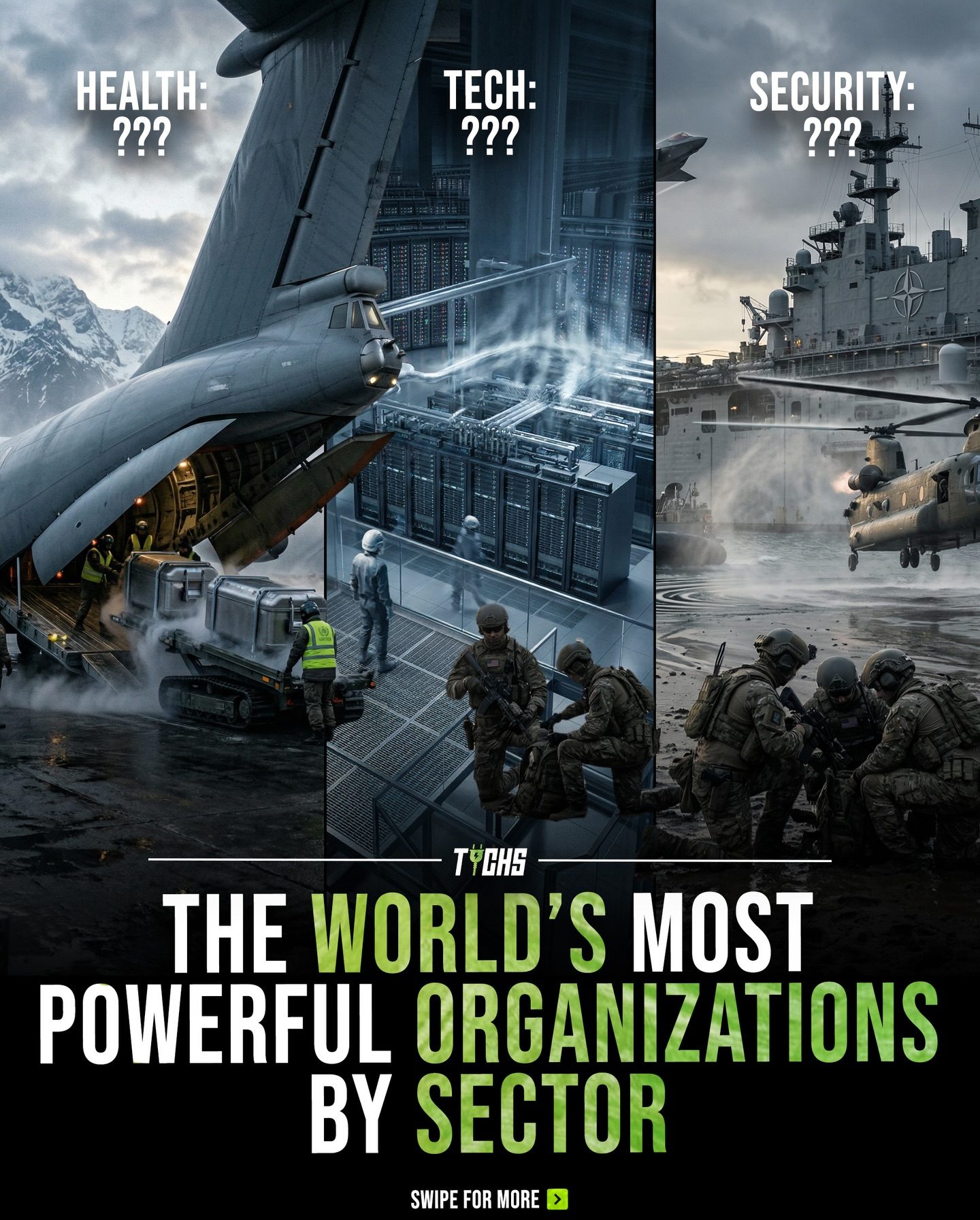
The world's daily operations are shaped by a select group of powerful organizations that exert significant influence over health, finance, trade, technology, and security. These organizations play a crucial role in ensuring global stability and progress. Let's explore some of the most influential bodies in these sectors.
Why This Matters
Understanding the roles and impacts of these organizations is essential for anyone interested in global affairs. They shape policies, influence economic trends, and drive technological advancements. Whether you're a student, a policymaker, or just curious about the world, knowing how these organizations function can provide valuable insights.
The World Health Organization (WHO)
The World Health Organization leads global efforts in health, particularly in pandemic response. During the COVID-19 pandemic, the WHO coordinated international responses, provided guidelines, and distributed essential medical supplies. Its role in preventing and controlling diseases is indispensable, as it helps countries prepare for and respond to health crises effectively.
The International Monetary Fund (IMF)
The IMF supports global economies by providing financial assistance and policy advice to countries in need. It plays a key role in stabilizing international financial systems and promoting sustainable economic growth. The IMF's interventions often involve conditional loans, which require recipient countries to implement specific economic reforms. These reforms aim to improve fiscal policies, monetary stability, and overall economic management.
The World Trade Organization (WTO)
The World Trade Organization regulates international trade, ensuring fair competition and resolving disputes between nations. The WTO oversees global trade agreements, sets standards for trade practices, and provides a platform for negotiations and conflict resolution. Its primary objective is to facilitate free and fair trade, which benefits both developed and developing countries.
Google's dominance in the tech sector is unparalleled. It controls global internet access and information flow, making it a key player in technology and digital innovation. Google's search engine, email services, and cloud platforms are integral to daily life and business operations worldwide. The company's influence extends to data analytics, artificial intelligence, and cloud computing, driving advancements in various industries.
The Food and Agriculture Organization (FAO)
The FAO supports global food systems, focusing on eradicating hunger, malnutrition, and poverty. It promotes sustainable agriculture practices and provides assistance to countries facing food insecurity. The FAO's initiatives include improving food production, distributing food aid, and enhancing agricultural development. Its work is vital for ensuring food security and reducing global hunger.
The North Atlantic Treaty Organization (NATO)
NATO shapes global security by providing a collective defense framework for its member countries. It coordinates military strategies, conducts joint exercises, and intervenes in conflicts to maintain peace and security. NATO’s role in global security ensures that its member states are prepared to respond to threats, whether they are military, cyber, or related to terrorism.
Organization of the Petroleum Exporting Countries (OPEC)
OPEC controls oil supply levels and influences global fuel prices. This organization, which includes some of the world's largest oil-producing countries, works to stabilize oil markets and ensure a steady supply of petroleum products. By coordinating production levels, OPEC aims to prevent sharp fluctuations in oil prices, which can have severe economic repercussions.
UNESCO
UNESCO promotes education and heritage globally. It focuses on preserving cultural sites, fostering peace through education, and advancing scientific cooperation. UNESCO’s work in protecting world heritage sites and promoting cultural diversity is crucial for maintaining the world’s rich cultural tapestry. Its educational programs aim to improve access to quality education and empower individuals and communities worldwide.
Practical Tips
For those interested in the work of these organizations, here are some practical steps to stay informed and engaged:
- Follow Official Channels: Subscribe to newsletters, follow official social media accounts, and visit their websites regularly.
- Attend Webinars and Events: Many of these organizations host public events, webinars, and conferences where you can learn directly from experts.
- Read Reports and Publications: Their annual reports, research papers, and policy documents provide in-depth insights into their activities and impacts.
- Engage in Discussions: Participate in online forums, join discussion groups, and engage with other interested individuals to share knowledge and perspectives.
Important Takeaways
- Global Interdependence: The influence of these organizations shows how interconnected the world is. Actions in one sector can have ripple effects across others.
- Complexity of Global Systems: Understanding these organizations requires delving into complex systems and processes, highlighting the need for comprehensive knowledge.
- Impact on Daily Life: These organizations shape various aspects of daily life, from health and finance to food and security, making their roles indispensable.
Conclusion
The world's most powerful organizations play a pivotal role in shaping global systems. They influence everything from health and finance to technology and security, making the world a more interconnected and complex place. By understanding their roles and impacts, individuals can gain a deeper appreciation for the intricate web of global systems and the institutions that drive them.
Questions readers ask
What is the primary goal of the World Health Organization (WHO) within the global health system?
The WHO aims to direct and coordinate international health efforts. This includes setting standards for health systems, monitoring health trends, and providing support during health emergencies, thereby helping to maintain global health security and stability.
How does the International Monetary Fund (IMF) impact the global economy?
The IMF influences the global economy by providing financial assistance to countries facing economic crises and fostering economic stability. It also offers policy advice and monitoring to help countries achieve sustainable growth and reduce poverty, while promoting international financial cooperation.
What role does the World Trade Organization (WTO) play in international trade?
The WTO enforces global trade rules, settles disputes between member countries, and negotiates trade agreements. By doing so, it facilitates smoother international trade, fosters economic growth, and enhances the overall stability of the global trading system.
What are some of the key global organizations involved in technology and security?
Key global organizations in technology and security include the International Telecommunication Union (ITU) and the International Atomic Energy Agency (IAEA). The ITU allocates global radio spectrum and satellite orbits, and develops technical standards, while the IAEA promotes peaceful uses of atomic energy and verifies that nuclear materials are not diverted to weapons programs.
How do these organizations collaborate to influence the global systems?
These organizations collaborate through partnerships, joint initiatives, and regular consultations. For instance, the WHO, IMF, and WTO often align their policies and share data to address interconnected challenges, such as the impact of health crises on economies and trade, ensuring a more cohesive approach to global stability and progress.
What are some examples of global initiatives led by these organizations?
Some notable initiatives include the WHO's Global Polio Eradication Initiative, the IMF's Financial Access Survey, and the WTO's Trade Facilitation Agreement, which aims to streamline customs procedures and reduce trade barriers, making global trade more efficient and cost-effective.
How can individuals or nations engage with these global organizations?
Individuals and nations can engage with these organizations through various means. For example, individuals can participate in public consultations or access resources on their websites. Nations, on the other hand, can join these organizations as member states, participate in decision-making processes, and contribute to global initiatives.
Recent articles
Fresh deep dives from the latest Reels we unpacked.




Comments
Be the first to comment.