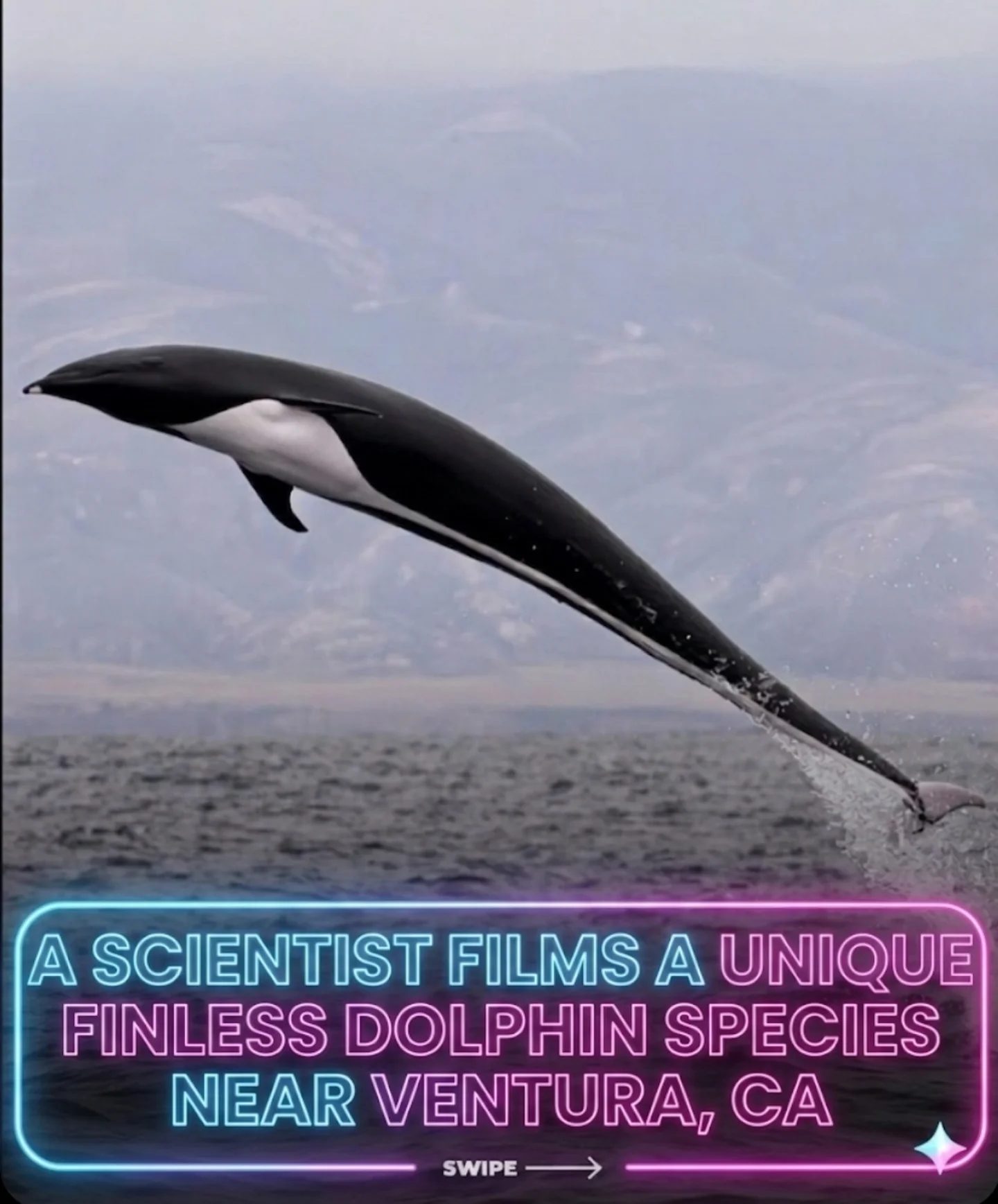
Northern right whale dolphins (Lissodelphis borealis), often referred to as finless dolphins, are a unique and fascinating species native to the cold and temperate waters of the North Pacific. Their most striking feature is the complete absence of a dorsal fin, which gives them a sleek, streamlined, and almost eel-like appearance. This distinctive characteristic sets them apart from most other dolphin species, making them a subject of great interest for marine biologists and nature enthusiasts alike.
Why This Matters
Understanding the unique characteristics of the northern right whale dolphin and their sightings along the California coast is important for several reasons. These dolphins, despite their rarity, play a critical role in the marine ecosystem. Their encounters with human researchers provide valuable opportunities to study their behavior, population dynamics, and the health of their oceanic habitats. Furthermore, the sightings near Ventura, California, highlight the importance of coastal conservation efforts and the broader implications of environmental changes on marine life.
Main Discussion
The Unique Characteristics of Northern Right Whale Dolphins
Northern right whale dolphins are characterized by several unique traits. The most notable is their lack of a dorsal fin, which differentiates them from other dolphin species. This adaptation allows them to swim efficiently, even at high speeds, and helps them navigate through the deep oceanic waters they typically inhabit. Additionally, these dolphins are highly gregarious and are often seen in large, fast-moving pods. These pods can range from hundreds to over a thousand individuals, which is quite unusual for dolphin species. Their social structure and behavior make them a subject of intense scientific interest.
Habitat and Distribution
These dolphins are primarily found in the cold and temperate waters of the North Pacific. They typically prefer deep, offshore oceanic habitats, which makes encounters with them near coastal areas quite rare and highly celebrated. The sighting near Ventura, California, is a testament to the unexpected encounters that can occur in marine environments. The varying ocean currents and water temperatures in the region can sometimes bring these deep-sea creatures closer to shore, providing unique opportunities for observation and study.
Behavior and Social Structure
Northern right whale dolphins exhibit a highly social behavior, often traveling in large pods. Their social structure is complex, with individuals within the pod maintaining strong bonds. These dolphins are known for their acrobatic movements, frequently seen leaping out of the water. This behavior, known as breaching, is often associated with play, communication, or even as a method to dislodge parasites. Observing these behaviors in close proximity can offer valuable insights into their communication methods and social interactions.
Importance of Scientific Observation
The sighting of finless dolphins by a scientist near Ventura, California, underscores the importance of ongoing research and conservation efforts. These observations provide critical information about the species' behavior, distribution, and the health of their habitats. Understanding their movements and preferences can help in forming policies for marine conservation and the protection of marine biodiversity.
Environmental Factors
The presence of finless dolphins near Ventura, California, also highlights the role of environmental factors in influencing their distribution. Factors such as sea temperature, water currents, and the availability of prey can all influence where these dolphins are found. Monitoring their movements and behavior in relation to these environmental changes can provide valuable insights into the broader health of the marine ecosystem.
Practical Tips
How to Spot Finless Dolphins
For marine enthusiasts looking to spot these unique creatures, understanding their preferred habitats and behaviors is essential. Finless dolphins are typically found in deep, offshore waters, but sightings near coastal areas are not unheard of. It is recommended to head to areas with strong marine life presence, such as Ventura, California, and be patient. Observing from a boat or shore during times of high marine activity, such as dawn or dusk, can increase the chances of sighting these elusive dolphins.
Supporting Marine Conservation
Supporting marine conservation efforts is crucial for the protection of species like the finless dolphin. Donating to organizations focused on marine research and conservation, participating in beach clean-ups, and advocating for stricter marine protection policies can all contribute to a healthier marine ecosystem. By understanding the importance of these species and their habitats, we can work towards preserving the natural wonders of our oceans.
Responsible Marine Tourism
For those who wish to observe these dolphins, practicing responsible marine tourism is essential. This includes maintaining a safe distance, avoiding any actions that may disturb the animals, and respecting their natural habitat. Engaging with local marine conservation organizations can provide guidance on best practices for observing marine life responsibly.
Important Takeaways
The Rarity of Encounters
Encounters with finless dolphins are rare and highly celebrated. Their preference for deep, offshore habitats means that sightings near coastal areas are uncommon, making each encounter a unique opportunity for observation and research.
The Importance of Conservation
The sighting of finless dolphins near Ventura, California, highlights the importance of marine conservation. Understanding their behavior, habitat preferences, and the environmental factors influencing their movements is crucial for developing effective conservation strategies.
The Role of Scientific Research
Ongoing scientific research plays a vital role in understanding the behavior and distribution of northern right whale dolphins. These studies provide valuable insights into their social structure, communication, and the broader health of marine ecosystems.
Conclusion
Northern right whale dolphins are a fascinating species with unique adaptations and behaviors. Their sightings near coastal areas, such as the one near Ventura, California, offer valuable opportunities for observation and research. Understanding their habits, habitats, and the environmental factors influencing their distribution is crucial for their conservation and the protection of marine biodiversity. By appreciating their unique characteristics and supporting marine research and conservation efforts, we can contribute to the preservation of these remarkable creatures and their ecosystems.
Questions readers ask
What makes the northern right whale dolphin unique among other dolphin species?
The northern right whale dolphin stands out due to its lack of a dorsal fin, which gives it a streamlined, eel-like appearance. This characteristic is rare among dolphin species, making it a subject of particular interest to researchers and marine enthusiasts.
Why is the appearance of finless dolphins near Ventura, California significant?
Sightings of finless dolphins near Ventura are notable because these dolphins are not commonly seen in the region. Their presence may indicate changes in marine life patterns or ocean currents, and it provides a unique opportunity for local observers to witness these rare creatures.
What is the significance of the northern right whale dolphin in the marine ecosystem?
Despite their rarity, northern right whale dolphins play a pivotal role in the marine ecosystem. They help regulate fish populations and contribute to the overall health of the ocean by maintaining a balance among different species.
Are finless dolphins commonly found along the California coast?
Finless dolphins are not commonly found along the California coast, including Ventura. Their sightings in this region are rare and often generate interest and excitement among marine enthusiasts and researchers alike.
What should a person do if they encounter a finless dolphin off the coast of California?
If you encounter a finless dolphin, it is recommended to maintain a safe and respectful distance. Avoid disturbing the dolphin and report the sighting to local marine life authorities or researcher groups, such as the California Marine Mammal Stranding Network, to contribute to scientific understanding and conservation efforts.
What should someone do if they want to learn more about marine life sightings in California?
To learn more about marine life sightings in California, consider joining local marine life groups, following marine biology organizations on social media, or checking with local authorities. These resources often provide updates and insights into the unique marine life that can be seen along the California coast, including rare sightings like finless dolphins.
How can one distinguish a northern right whale dolphin from other dolphin species?
Northern right whale dolphins can be distinguished from other species by their absence of a dorsal fin and their sleek, streamlined body shape. Their long, slender beaks and dark gray coloring also help to identify them, making them easily recognizable for those familiar with their unique appearance
Related deep dives
Similar reads based on topic and creator.




Recent articles
Fresh deep dives from the latest Reels we unpacked.




Comments
Be the first to comment.