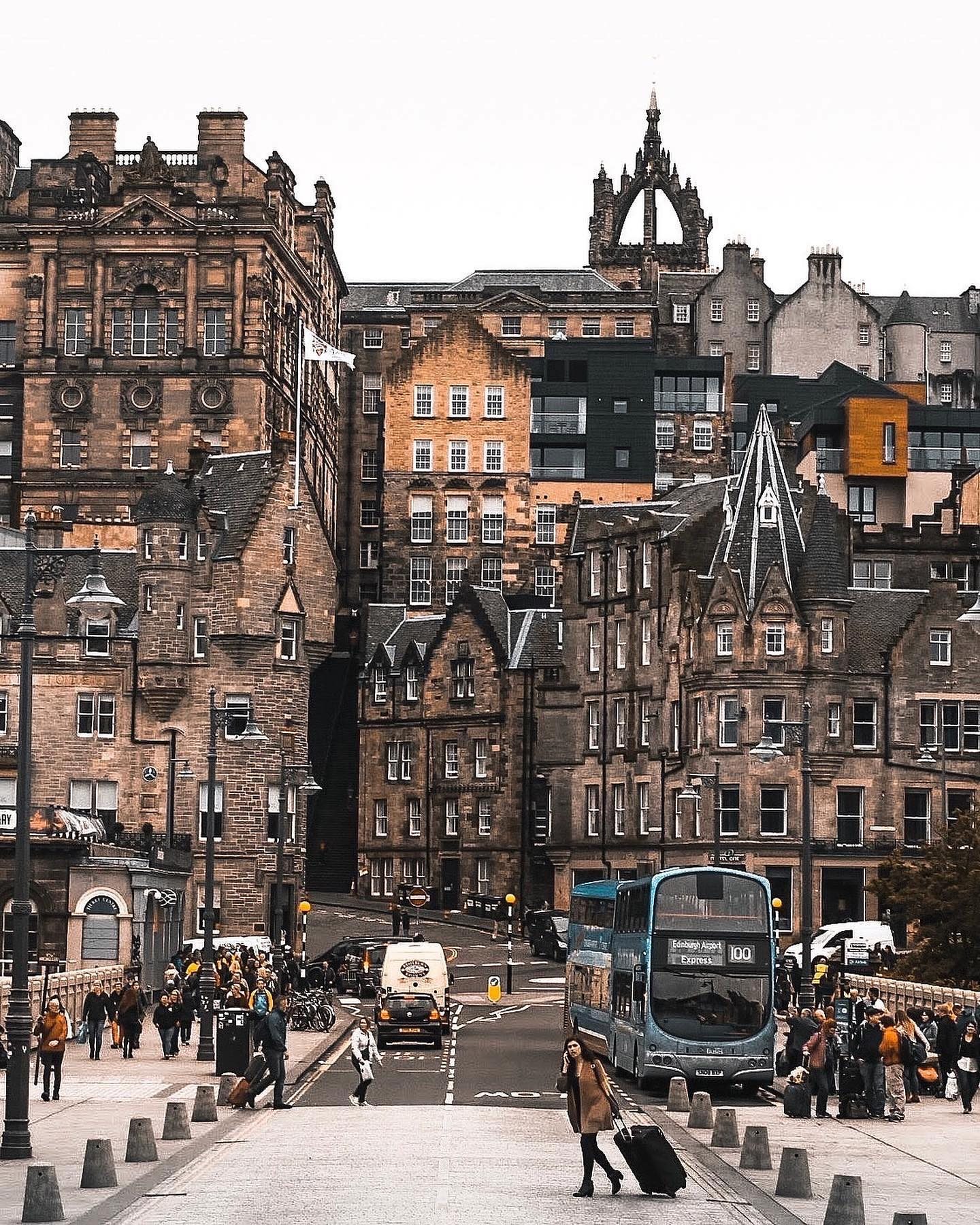
Edinburgh Architecture
Edinburgh, the capital of Scotland, is renowned for its stunning architecture that seamlessly blends medieval, Georgian, and Victorian styles. The city's skyline is a testament to its rich history and cultural heritage, making it a must-visit destination for architecture enthusiasts and travelers alike. The architecture of Edinburgh is a harmonious mix of old and new, where centuries-old buildings stand proudly alongside modern structures.
Why This Matters
Understanding Edinburgh's architecture provides insight into the city's evolution and its role as a cultural and political hub. From the majestic Edinburgh Castle perched atop Castle Rock to the elegant Georgian terraces, each architectural masterpiece tells a story about the city's past and present.
Main Discussion
Historical Context
Edinburgh's architectural journey begins in the medieval period, with the construction of Edinburgh Castle in the 12th century. This fortification has been a pivotal landmark, serving as a royal residence and a military stronghold. The castle's strategic location on a volcanic rock overlooking the city has made it an iconic symbol of Edinburgh.
Georgian Influence
The 18th century brought a significant transformation to Edinburgh's landscape with the introduction of Georgian architecture. This period saw the development of elegant terraced houses and grand public buildings. The New Town, a UNESCO World Heritage Site, is a prime example of Georgian architecture. Designed by James Craig and Robert Adam, it features symmetrical streets and neo-classical buildings, showcasing the elegance and order of the era.
Victorian Expansion
The Victorian era marked another phase of Edinburgh's architectural growth. During this period, the city expanded beyond the original medieval boundaries, leading to the construction of elaborate public buildings and residential areas. The Scottish National Gallery and the Royal Scottish Academy are notable examples of Victorian architecture, characterized by their ornate detailing and grand scale.
Contemporary Developments
Edinburgh continues to evolve with modern architectural innovations. The Scottish Parliament Building, for instance, is a striking example of contemporary design. Created by Spanish architect Enric Miralles, this building features a unique blend of materials and forms, reflecting the city's forward-thinking approach to architecture.
Practical Tips
Where to Start
Begin your architectural journey at Edinburgh Castle, which offers panoramic views of the city. From here, you can explore the Royal Mile, a historic street lined with charming buildings and quaint shops. The Grassmarket area is another must-visit spot, featuring a mix of traditional and modern architecture.
Must-See Landmarks
Don't miss the Palace of Holyroodhouse, the official residence of the British monarch in Scotland. The building's rich history and stunning architecture make it a highlight of any tour. The Scottish Parliament Building, with its unique design, is another standout attraction.
Exploring the New Town
Take a stroll through the New Town to marvel at the symmetrical streets and elegant terraces. This area is perfect for a leisurely walk, with plenty of cafes and shops to explore. The Charlotte Square Gardens, located at the center of the New Town, offer a serene green space.
Important Takeaways
Edinburgh's architecture is a vibrant tapestry of ancient and modern styles, each telling a unique story about the city's cultural heritage. From the medieval grandeur of Edinburgh Castle to the neo-classical elegance of the New Town, the city's architecture reflects its rich history and evolving identity. Whether you're a history buff or an architecture enthusiast, Edinburgh offers a wealth of architectural treasures to explore.
Conclusion
Edinburgh's architecture is not just about buildings; it's about the stories they tell and the history they embody. The city's unique blend of medieval, Georgian, and Victorian styles, combined with modern innovations, makes it a remarkable architectural gem. By exploring Edinburgh's architectural masterpieces, you gain a deeper appreciation for the city's rich cultural heritage and its enduring legacy.
Questions readers ask
What are the key architectural styles found in Edinburgh?
Edinburgh's architecture is primarily a blend of three key styles: medieval, Georgian, and Victorian. Medieval architecture is exemplified by structures like Edinburgh Castle, while Georgian architecture is represented by the elegant terraces of the New Town. Victorian architecture is evident in grand public buildings and historic landmarks throughout the city.
Why is Edinburgh Castle a significant architectural landmark?
Edinburgh Castle is significant for its medieval fortifications and its strategic location atop Castle Rock. It has been a royal residence, a military fortress, and a prison, reflecting the city's turbulent history. The castle's architecture includes various styles from different periods, providing a comprehensive view of Scottish architectural history.
What is the significance of the Old Town and New Town in Edinburgh's architecture?
The Old Town, with its narrow, winding streets and medieval buildings, contrasts with the New Town's planned Georgian layout. The New Town was designed in the 18th century to alleviate overcrowding in the Old Town and offers a clear example of Georgian architecture. This juxtaposition showcases Edinburgh's evolution from a medieval settlement to a modern city.
What are some of the must-see architectural landmarks in Edinburgh?
Beyond Edinburgh Castle, key architectural landmarks include the Royal Mile, which stretches from the castle to the Palace of Holyroodhouse, showcasing a mix of medieval and Georgian styles. The Scott Monument, the National Museum of Scotland, and the Scottish Parliament building are also notable for their distinct designs and historical significance.
How does Victorian architecture contribute to Edinburgh's cityscape?
Victorian architecture in Edinburgh is characterized by grand public buildings, ornate detailing, and a sense of opulence. Examples include the Scottish National Gallery and the Royal Botanic Garden. This style, popular from the mid-19th century, adds a layer of historical richness to the city's architecture, complementing the older medieval and Georgian structures.
What can visitors expect from an architecture tour of Edinburgh?
An architecture tour of Edinburgh typically includes visits to key landmarks like Edinburgh Castle, the Royal Mile, and the New Town. Visitors can expect to learn about the city's architectural evolution, from its medieval origins to its Victorian expansions, through guided commentary and exploration of significant buildings and sites.
How does Edinburgh's architecture reflect its historical and cultural significance?
Edinburgh's architecture serves as a visual narrative of the city's history and cultural heritage. Each architectural style—medieval, Georgian, and Victorian—represents different periods and influences. From the defensive structures of the medieval era to the planned elegance of the Georgian period and the grandeur of the Victorian age, the city's buildings tell the story of its political, cultural, and social development.
Related deep dives
Similar reads based on topic and creator.




Recent articles
Fresh deep dives from the latest Reels we unpacked.



Comments
Be the first to comment.