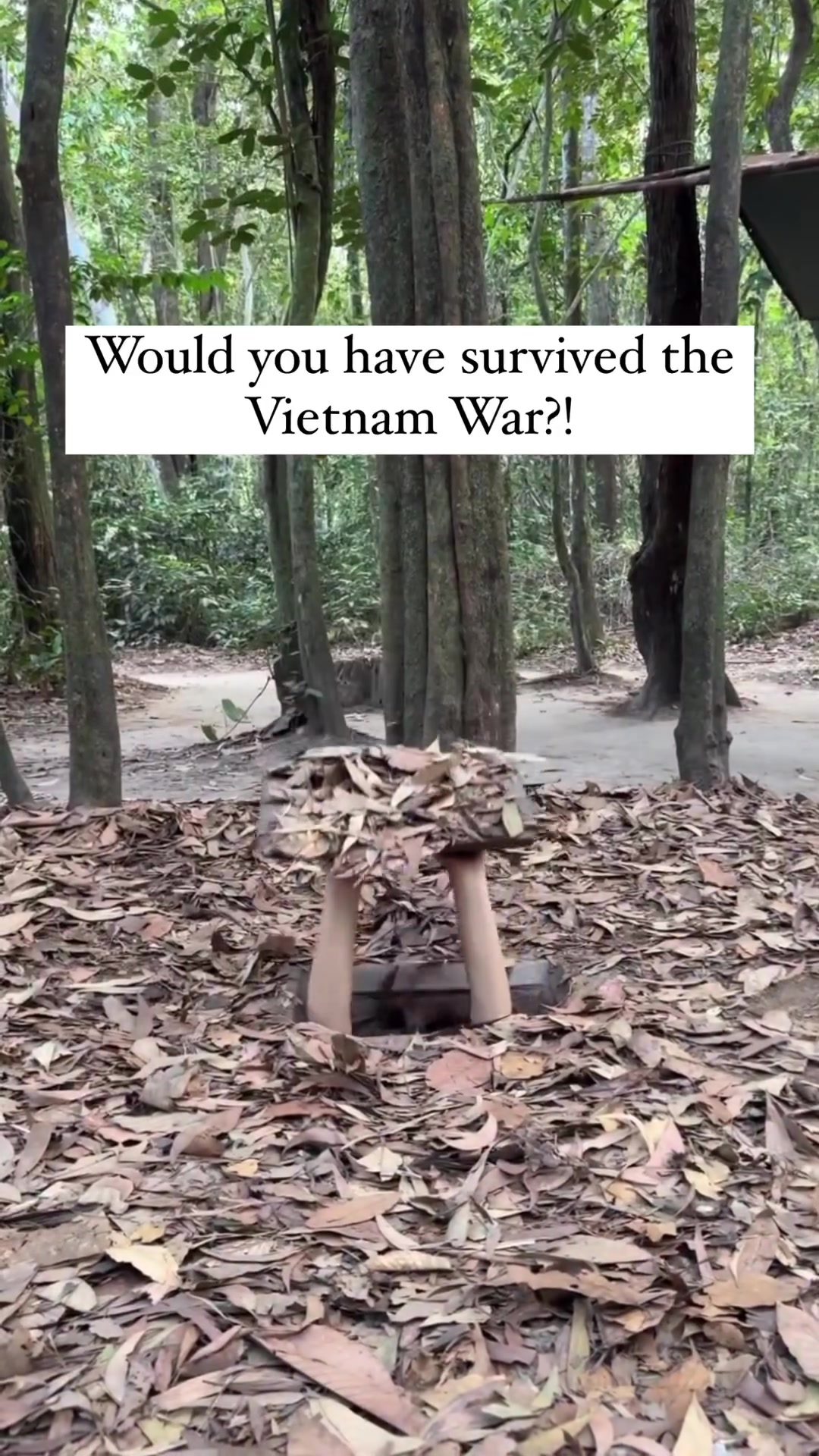
Củ Chi Tunnels: A Historical Insight
Located just outside Ho Chi Minh City, the Củ Chi Tunnels offer a unique glimpse into the Vietnam War. Stretching over 250 kilometers, these narrow, camouflaged passageways served multiple purposes, including hiding, living, and launching surprise attacks. They were an integral part of the Viet Cong's strategy during the war.
Why This Matters
The Củ Chi Tunnels are more than just a historical site; they are a testament to the resilience and ingenuity of the Vietnamese soldiers who used them. Understanding these tunnels provides valuable insights into the strategies and tactics employed during the war, as well as the hardships endured by those who lived and fought within them.
The Complexity of the Tunnels
The Củ Chi Tunnels were designed with multiple layers and interconnected chambers, each serving a specific purpose. These included:
- Entrances: Often hidden and difficult to detect, these entrances provided access to the underground network.
- Conference chambers: Spaces where leaders could strategize and plan.
- Kitchens: Areas designated for food preparation, essential for sustaining soldiers.
- Firing positions: Strategic points from which attacks could be launched.
- False tunnels: Decoys designed to mislead enemy forces.
- Air shafts: Provided ventilation and a means of escape.
- Connectors to other tunnels: Extensive networks that allowed for quick movement and communication.
- Sleeping chambers: Areas for rest and recuperation.
- Air-raid shelters: Protected soldiers from aerial bombardment.
- Store rooms: Places to stock supplies.
- Hospitals: Medical facilities for treating the wounded.
The tunnel systems were extensive, reaching up to 250 kilometers in length, making them an intricate and formidable defense mechanism.
The Harsh Conditions
Living in the Củ Chi Tunnels was not easy. Soldiers endured weeks of unimaginable conditions, including cramped spaces, limited resources, and constant danger. The tunnels were not just a means of hiding; they were a way of life for the Viet Cong.
The Traps and Defense Tactics
The surrounding land was littered with booby traps and defense tactics designed to protect the tunnels and inflict harm on enemy forces. Some of the traps and defenses included:
- Punji stake traps: Pits filled with sharpened stakes, often concealed to cause injury and psychological trauma.
- Concealed entrances: Hidden passages that were difficult to detect, adding an element of surprise.
These traps were designed to be easily concealed and difficult to detect, making them a formidable defense against American forces.
Practical Tips for Visiting the Củ Chi Tunnels
Visiting the Củ Chi Tunnels can be an enlightening experience, but it requires some preparation:
- Wear comfortable clothing and sturdy shoes: The tunnels can be narrow and damp, so comfortable attire is essential.
- Stay hydrated and bring snacks: The conditions inside the tunnels can be challenging, so it's important to keep your energy up.
- Be prepared for claustrophobia: The tunnels are narrow and can be disorienting, so visitors with claustrophobia should be cautious.
- Listen to your guide: The guides often have firsthand knowledge and can provide valuable insights into the history and significance of the tunnels.
Important Takeaways
- Strategic Significance: The Củ Chi Tunnels played a crucial role in the Vietnam War, serving as a strategic advantage for the Viet Cong.
- Historical Context: Understanding the tunnels provides a deeper insight into the tactics and hardships of the war.
- Ingenuity and Resilience: The tunnels are a testament to the ingenuity and resilience of the Vietnamese soldiers.
Conclusion
The Củ Chi Tunnels are a fascinating historical site that offers a unique perspective on the Vietnam War. Visiting these tunnels provides a tangible connection to the past, allowing visitors to understand the strategies, hardships, and resilience of those who lived and fought within them. Whether you're a history enthusiast or simply curious about this significant period, the Củ Chi Tunnels are a must-visit destination.
Questions readers ask
What were the Củ Chi Tunnels used for during the Vietnam War?
The Củ Chi Tunnels served multiple purposes during the Vietnam War. They were used as hiding places, living quarters, and as strategic launch points for surprise attacks. This vast underground network played a crucial role in the Viet Cong's defense mechanisms and overall tactics.
How extensive is the Củ Chi Tunnels network?
The Củ Chi Tunnels stretch over 250 kilometers, featuring a complex system of narrow, camouflaged passageways and interconnected chambers. The true extent of the tunnels is difficult to determine, as some sections have been damaged or destroyed over time.
What can visitors expect to see on a Củ Chi Tunnels tour?
A Củ Chi Tunnels tour typically includes a guided exploration of the preserved sections of the tunnels, demonstrations of Viet Cong tactics, and insights into the daily lives of those who lived and fought within the tunnels. Visitors should be prepared for a physical experience, as some tunnels are narrow and can be claustrophobic.
What kinds of defense mechanisms were employed in the Củ Chi Tunnels?
The Củ Chi Tunnels featured various defense mechanisms, including booby traps, punji traps, and camouflaged entrances. These mechanisms were designed to protect the inhabitants and hinder enemy advances, showcasing the ingenuity and resilience of the Viet Cong.
Are the Củ Chi Tunnels safe to visit?
The Củ Chi Tunnels are generally safe to visit, as the guided tours stick to well-maintained and safe sections of the tunnels. However, visitors should be aware that some areas may be narrow and low, and those with claustrophobia or mobility issues should exercise caution.
What is the best time of year to visit the Củ Chi Tunnels?
The best time to visit the Củ Chi Tunnels is during the dry season, from December to April. During this period, the weather is relatively dry and cool, making the experience more comfortable. The rainy season, from May to November, can make the tunnels muddy and more challenging to navigate.
What is the significance of the Củ Chi Tunnels in understanding Vietnam War history?
The Củ Chi Tunnels offer a unique perspective on the Vietnam War, providing insights into the tactics, strategies, and resilience of the Viet Cong. Exploring the tunnels helps visitors understand the hardships endured by those who lived and fought within them, offering a deeper appreciation for the war's complexities.
Related deep dives
Similar reads based on topic and creator.




Recent articles
Fresh deep dives from the latest Reels we unpacked.




Comments
Be the first to comment.