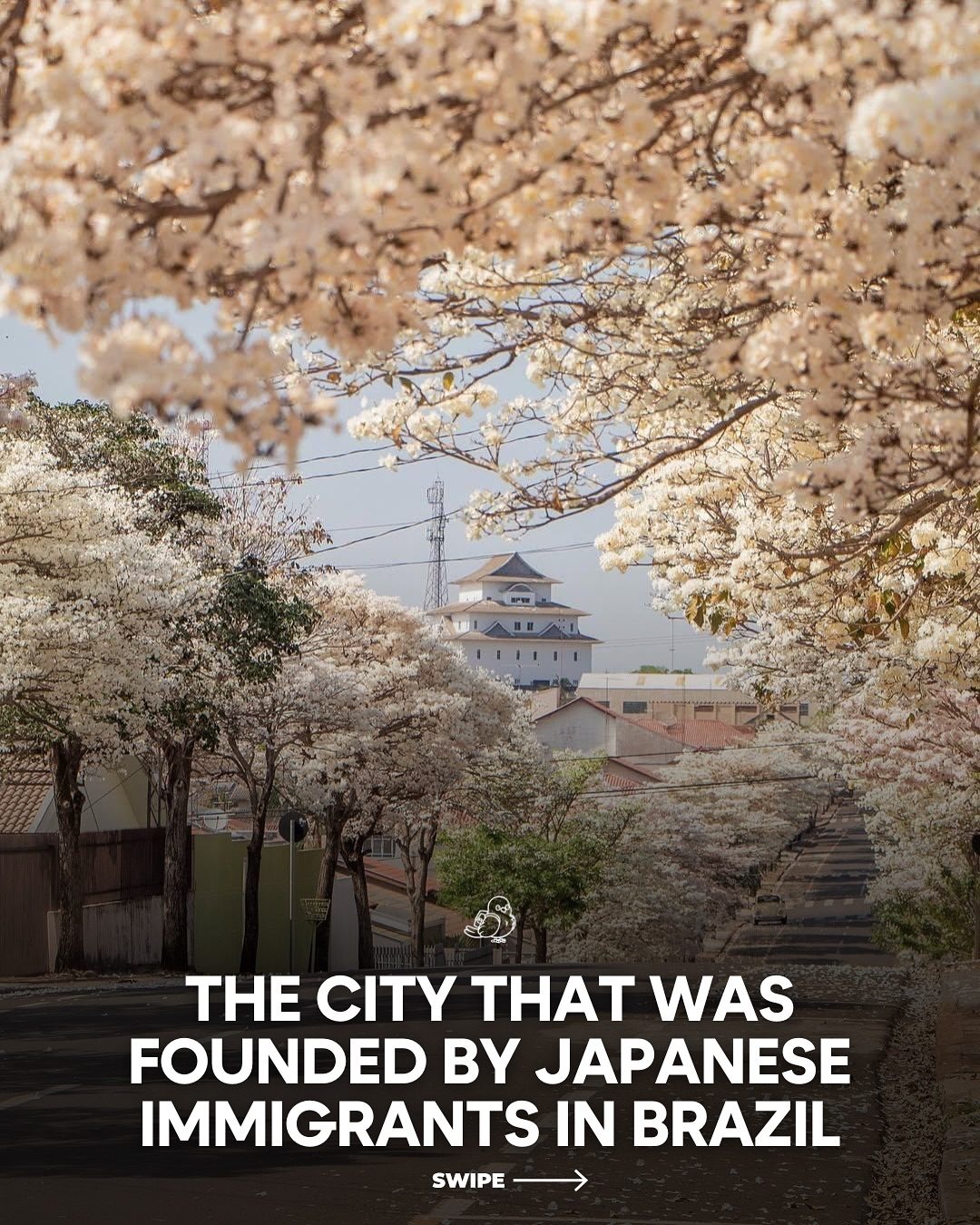
Assaí: The Brazilian City with a Rich Japanese Heritage and Stunning Cherry Blossoms
Nestled in the Norte Pioneiro region of the state of Paraná, Assaí is a small but culturally rich municipality with a unique history and natural beauty. Founded in 1932 by Japanese immigrants, Assaí's name itself is a blend of Japanese and Portuguese, derived from the Japanese word "Asahi" meaning "rising sun" and combined with the Portuguese word for "land," originally Assailand, later simplified to Assaí. With a population of around 13,700 to 14,000 inhabitants, this charming town offers a blend of Japanese cultural heritage and Brazilian warmth.
Context / Why This Matters
Assaí's founding story is a testament to Brazil's rich cultural diversity, shaped by waves of immigration that have left indelible marks on the country's landscape. The town's Japanese heritage is evident in its architecture, cuisine, and traditions, making it a fascinating destination for those interested in exploring Brazil's multicultural fabric. Additionally, the city's natural beauty, particularly its abundance of cherry blossom trees, adds a unique charm that sets it apart from other Brazilian towns.
Main Discussion
The Founding and Naming of Assaí
The story of Assaí begins with the Japanese immigrants who arrived in Brazil in the early 20th century. These immigrants, seeking better opportunities, established the town in 1932. The name Assaí is a melting pot of cultures, embodying the spirit of its founders and the land they chose to call home. The original name, Assailand, was a direct translation of the Japanese word for "rising sun" combined with the Portuguese word for "land." The name was later simplified to Assaí, but the rich cultural heritage remains.
Cultural Heritage and Japanese Influence
The influence of Japanese culture is palpable in Assaí. The town's architecture, particularly the traditional Japanese-style houses and gardens, creates a unique aesthetic that contrasts with the typical Brazilian landscape. The local cuisine is another testament to the town's Japanese heritage, with dishes like sushi, tempura, and miso soup being popular among locals and visitors alike. Festivals and cultural events celebrating Japanese traditions, such as the Cherry Blossom Festival, are also a significant part of the town's annual calendar. These festivals attract visitors from across Brazil and beyond, offering a glimpse into the town's rich cultural tapestry.
The Beauty of Cherry Blossom Trees
Assaí is renowned for its abundance of cherry blossom trees, which create a breathtaking spectacle when in bloom. The sight of these delicate pink and white blossoms against the backdrop of the town's architecture and lush green landscapes is truly enchanting. The Cherry Blossom Festival, held annually, is a celebration of this natural beauty and a testament to the town's Japanese heritage. During this festival, the town comes alive with vibrant decorations, traditional Japanese performances, and food stalls offering a variety of delicacies, making it a must-visit event for nature lovers and culture enthusiasts.
Exploring Assaí: Street Views and Rooftops
Walking through the streets of Assaí offers a unique experience. The town's layout, with its narrow streets and quaint rooftops, exudes a sense of tranquility and charm. The abundance of cherry blossom trees lining the streets adds to the town's allure, creating a picturesque scene that is a delight for photographers and nature enthusiasts. The rooftops, often adorned with traditional Japanese-inspired designs, offer a glimpse into the town's architectural heritage and provide a stunning backdrop for the cherry blossom trees.
Community Life in Assaí
Life in Assaí revolves around the close-knit community and the rich cultural traditions that have been passed down through generations. The town's small size fosters a sense of camaraderie among its residents, who take pride in their heritage and work together to preserve it. Local markets, community events, and festivals play a crucial role in the town's social fabric, bringing residents together and celebrating their shared cultural heritage.
Practical Tips
Best Time to Visit
The best time to visit Assaí is during the Cherry Blossom Festival, usually held in the spring. This is when the cherry blossom trees are in full bloom, creating a spectacular display of colors that is truly enchanting. However, visitors can enjoy the town's beauty and cultural heritage year-round, with each season offering a unique experience.
Getting There
Assaí is located in the Norte Pioneiro region of the state of Paraná, Brazil. The easiest way to get there is by car, as it offers the most flexibility and convenience. Visitors can also take a bus from nearby cities, but traveling by car allows for a more independent and personalized experience.
Where to Stay
There are several accommodation options in and around Assaí, ranging from cozy bed and breakfasts to more luxurious hotels. Staying in the town itself allows visitors to fully immerse themselves in the local culture and experience the charm of Assaí firsthand.
Local Cuisine
Assaí's cuisine is a delightful fusion of Japanese and Brazilian flavors. Local specialties include sushi, tempura, miso soup, and a variety of traditional Brazilian dishes. Visitors can enjoy these delicacies at local eateries, many of which offer a unique dining experience that reflects the town's rich cultural heritage.
Must-Visit Attractions
Some of the must-visit attractions in Assaí include the Cherry Blossom Festival, the local temples, and the community markets. The festival is a celebration of the town's natural beauty and Japanese heritage, while the temples offer a glimpse into the spiritual side of the town. The local markets, on the other hand, are a great place to sample local produce, handicrafts, and delicacies.
Important Takeaways
Assaí is a unique and culturally rich municipality that offers a blend of Japanese heritage and Brazilian warmth. With its stunning cherry blossom trees, traditional architecture, and vibrant community, it is a must-visit destination for anyone interested in exploring the rich cultural diversity of Brazil. The town's annual Cherry Blossom Festival is a highlight, attracting visitors from across the country and beyond, and celebrating the town's unique identity.
Conclusion
Assaí stands as a testament to the beauty of cultural fusion and the enduring spirit of its founders. From the delicate cherry blossoms that line its streets to the vibrant festivals that celebrate its heritage, Assaí offers a unique and memorable experience for every visitor. Whether you're a nature enthusiast, a culture buff, or simply seeking a peaceful retreat, Assaí's charm is sure to captivate and inspire.
Questions readers ask
What is the significance of the name 'Assaí' for the town in Brazil?
The name 'Assaí' is a blend of Japanese and Portuguese, derived from the Japanese word 'Asahi' meaning 'rising sun' and combined with the Portuguese word for 'land.' This name reflects the town's founding by Japanese immigrants and its unique cultural fusion.
Why is Assaí known for its cherry blossoms?
Assaí is renowned for its stunning cherry blossom trees, which bloom annually and create a breathtaking spectacle. These trees were planted by the Japanese immigrants who founded the town and are a testament to their heritage.
What is the cultural experience like in Assaí?
Assaí offers a distinct cultural experience with traditional Japanese architecture and customs living alongside Brazilian traditions. Visitors can enjoy local festivals, traditional foods and a unique blend of cultures.
How has Japanese heritage influenced Assaí?
Japanese heritage has significantly influenced Assaí through its architecture, traditions, and the annual cherry blossom festival. The town's layout, buildings, and community events reflect the cultural practices brought by Japanese immigrants.
What is the history of Assaí, Brazil?
Assaí was founded in 1932 by Japanese immigrants in the Norte Pioneiro region of Paraná. The town has preserved the culture and heritage of its founders, while also embracing Brazilian influences, creating a unique cultural fusion.
Where is Assaí located and what is its population?
Assaí is located in the Norte Pioneiro region of the state of Paraná, Brazil. The town has a population of around 13,700 to 14,000 inhabitants.
What are some of the notable features of Assaí's architecture?
Assaí's architecture is a blend of traditional Japanese design and Brazilian elements. Notably, the town features many buildings and structures that reflect the Japanese heritage, including traditional homes and public spaces designed to evoke the aesthetics of Japanese villages.
Related deep dives
Similar reads based on topic and creator.




Recent articles
Fresh deep dives from the latest Reels we unpacked.



Comments
Be the first to comment.