Singapore Cityscape
The urban landscape of Singapore is a mesmerizing blend of modern architecture and lush greenery, making it a unique cityscape. Every corner of this city tells a story of harmony between nature and urban design. This article delves into the architectural marvels and the greenery that make Singapore a standout destination.
Why this matters
Understanding Singapore's cityscape is crucial for anyone planning to visit or even for those who appreciate urban planning and sustainable living. The city's commitment to incorporating nature into its urban fabric offers valuable insights for urban planners and architects worldwide. Moreover, the vibrant city life, especially during the evening and night, showcases the city's dynamic energy, making it a must-visit for travelers.
Main discussion
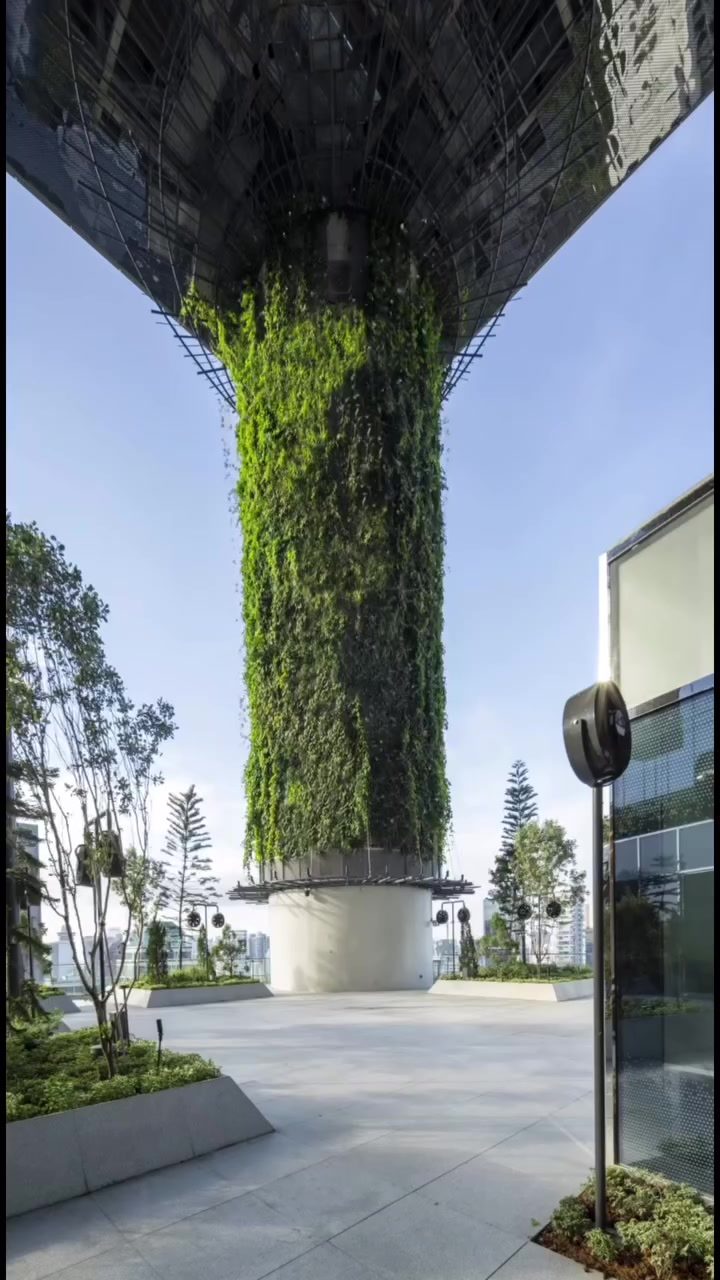
The architecture of Singapore is nothing short of awe-inspiring. The city is home to some of the world's most innovative and sustainable buildings. The integration of vertical gardens on buildings is a common sight, turning everyday structures into living ecosystems. These vertical gardens not only add to the aesthetic appeal of the city but also contribute to its sustainability by reducing urban heat and improving air quality.
Modern Architectural Marvels
Singapore’s architecture is a testament to its forward-thinking approach to urban development. The city is dotted with skyscrapers and high-rise buildings that are not only functional but also visually stunning. These structures often feature glass facades and modern designs, making them a sight to behold, especially when illuminated at night.
Vertical Gardens
One of the most distinctive features of Singapore's skyline is its vertical gardens. These gardens are designed to maximize green spaces in a densely populated urban environment. Buildings like the Oasia Hotel Downtown and the Parkroyal on Pickering are excellent examples of vertical gardening. These structures feature lush greenery that grows on the walls, turning them into living walls.
These vertical gardens serve multiple purposes. They help in mitigating the heat island effect, a common issue in urban areas, thereby reducing the temperature around the building. Additionally, they provide habitats for birds and insects, supporting local biodiversity. The presence of these gardens also improves the mental well-being of residents by providing a serene and green environment amidst the concrete jungle.
Greenery in Urban Spaces
Singapore’s urban landscape is thoughtfully planned to include green spaces within the city. Parks, gardens, and green corridors are seamlessly integrated into the urban fabric, making the city a green oasis. The city’s green spaces are not just limited to parks but are also present on pedestrians, in buildings, and even on overhead bridges.
The Green Corridor
The Green Corridor is a unique initiative by the Singaporean government to transform an old railway track into a green walkway. This corridor stretches from Tanjong Pagar to Bukit Timah, passing through various neighborhoods and landmarks. The Green Corridor is not just a pathway for pedestrians and cyclists but also a habitat for various plant and animal species, making it an essential part of the city’s ecosystem.
These green corridors and parks contribute significantly to Singapore's Green Plan 2030, an initiative aimed at advancing Singapore’s national agenda on sustainable development, and achieving a greener and more sustainable future.
Urban Life and City Vibrancy
Singapore’s city life is vibrant and dynamic, particularly during the evening and night. The city’s urban landscape comes alive with lights and activities, making it a thrilling experience. The city’s skyline, illuminated with lights, is a breathtaking sight. This vibrancy is a testament to the city’s bustling lifestyle and its status as a global financial and business hub.
Evening and Night Views
The city’s skyline during dusk and night is a sight to behold. The transition from day to night sees buildings and landmarks being beautifully lit, creating a mesmerizing visual experience. Areas like Marina Bay Sands and Gardens by the Bay are particularly stunning during the evening, with light shows and illuminating water fountains. These landmarks are not just tourist attractions but also symbols of Singapore’s modernity and progress.
Practical tips
When exploring Singapore’s cityscape, here are a few practical tips to make the most of your experience:
- Plan Your Route: Singapore is a large city, and it’s easy to get overwhelmed. Plan your route in advance to ensure you cover all the key landmarks and green spaces.
- Timing: Visit during different times of the day to experience the city’s changing landscapes. Morning visits offer a serene and calm atmosphere, while evening and night offer vibrant and lively scenes.
- Transportation: Use public transportation to get around. Singapore’s MRT and bus systems are efficient and cover most of the city. For a more immersive experience, consider renting a bicycle to explore the green corridors.
- Comfortable Shoes: With plenty of walking involved, make sure to wear comfortable shoes. This will allow you to explore the city at your own pace without discomfort.
Important takeaways
- The integration of nature and urban development in Singapore is a model for sustainable living.
- Singapore’s vertical gardens are not just aesthetically pleasing but also contribute to the city’s sustainability.
- The Green Corridor is an excellent example of repurposing old infrastructure into green spaces.
- The city’s architecture and urban planning offer valuable insights into sustainable and aesthetically pleasing urban development.
- The vibrant city life, especially during the evening and night, is a highlight for any visitor.
Conclusion
Singapore’s cityscape is a harmonious blend of modern architecture, green spaces, and vibrant city life. The city’s unique architectural marvels and lush greenery make it a standout destination for travelers, architects, and urban planners alike. From the stunning vertical gardens to the vibrant evening skyline, Singapore offers a unique urban experience.
Questions readers ask
What are some notable examples of green architecture in Singapore's cityscape?
Singapore is renowned for its innovative green architecture. Notable examples include the vertical gardens at Marina Bay Sands and Oasia Hotel Downtown, which integrate lush greenery into their building designs. These structures not only enhance the city's aesthetic appeal but also contribute to reducing urban heat and improving air quality.
How does Singapore incorporate nature into its urban design?
Singapore incorporates nature into its urban design through various means, such as vertical gardens, rooftop greenery, and extensive park networks. These green spaces are thoughtfully integrated into the cityscape, creating a harmonious blend of urban living and natural beauty. This approach helps to mitigate the urban heat island effect and promotes a healthier living environment.
What are the benefits of vertical gardens in Singapore's urban landscape?
Vertical gardens in Singapore serve multiple purposes. They help to reduce urban heat by providing cooling effects, improve air quality by absorbing pollutants, and contribute to biodiversity by creating habitats for various species. Additionally, they enhance the aesthetic appeal of buildings and the overall cityscape, making Singapore a more livable and visually pleasing urban environment.
How does Singapore's city design balance modern architecture with greenery?
Singapore balances modern architecture with greenery through strategic urban planning. Buildings are designed with green features like vertical gardens and green roofs, while parks and green corridors are integrated into the urban fabric. This approach ensures that even as the city develops, it maintains a strong connection to nature, providing residents and visitors with ample green spaces.
What are some must-visit green spaces in Singapore's cityscape?
Some must-visit green spaces in Singapore include the Gardens by the Bay, which features the iconic Supertree Grove, and the Cloud Forest Dome. Additionally, the Singapore Botanic Gardens, a UNESCO World Heritage site, and the Southern Ridges, a 10-kilometer trail connecting several parks, offer a rich blend of nature and urban design. These spaces provide a refreshing escape within the city.
What role do innovative buildings play in Singapore's sustainability efforts?
Innovative buildings in Singapore play a significant role in the city's sustainability efforts. Structures like the Academy of Sciences and the Interlace housing complex incorporate sustainable features such as solar panels, rainwater harvesting, and natural ventilation. These buildings not only reduce their environmental footprint but also serve as models for sustainable urban development.
How does Singapore's urban greenery benefit the local ecosystem and wildlife?
Singapore's urban greenery provides numerous benefits for the local ecosystem and wildlife. Green spaces serve as habitats for a variety of plant and animal species, supporting biodiversity. They also act as corridors for wildlife movement, connecting isolated green areas and promoting ecological balance. Additionally, these green spaces help to filter air and water, contributing to a healthier urban environment.
Related deep dives
Similar reads based on topic and creator.




Recent articles
Fresh deep dives from the latest Reels we unpacked.


Comments
Be the first to comment.