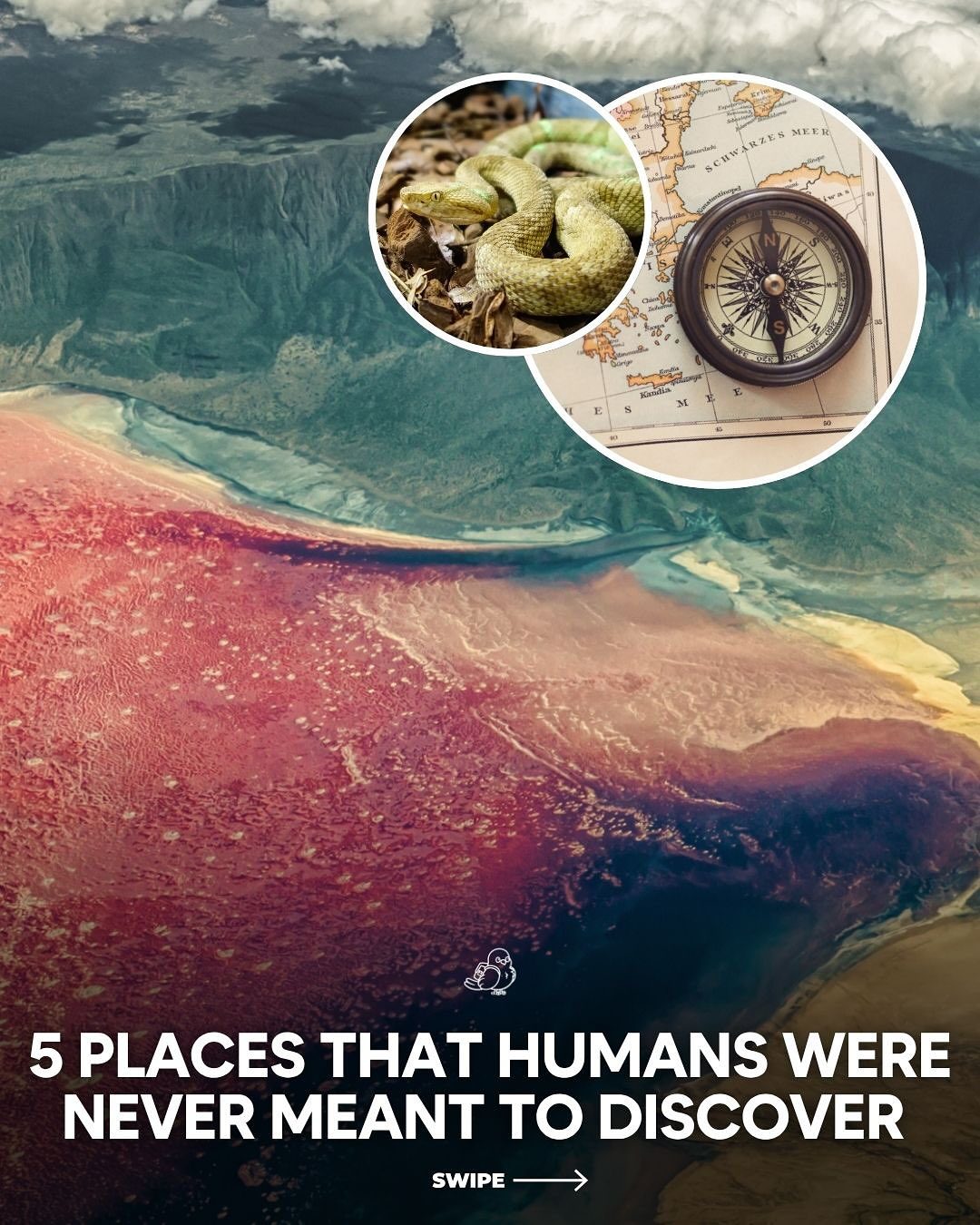
Dangerous Places: Locations Humans Were Never Meant to Discover
They are the places that inspire both awe and trepidation—the locations that make you question whether humans were ever meant to find them. From underwater depths to volcanic islands, these spots are as fascinating as they are perilous. Let's explore some of the most dangerous and mysterious places around the world, diving into what makes them so captivating and why they're best left undisturbed.
Why This Matters
Understanding these dangerous and mysterious locations isn't just about curiosity; it's about appreciating the power of nature and the boundaries that should be respected. These places offer valuable insights into the Earth's processes, geological history, and the delicate balance of ecosystems. They remind us of the importance of preservation and the need to tread lightly on our planet.
Main Discussion
The Blue Hole, Dahab, Egypt
The Blue Hole in Dahab, Egypt, is a breathtaking underwater sinkhole that has sadly claimed the lives of many divers. Known for its crystal-clear waters and deceptive calm, this site is a deadly depth trap that hides a treacherous undercurrent. The sinkhole, filled with freshwater, is part of a larger underwater cave system that can trap even experienced divers. What makes it particularly dangerous is the abrupt change from shallow to very deep waters, causing rapid disorientation and decompression sickness.
Surtsey Island, Iceland
Surtsey, the youngest of Iceland's volcanic islands, is a unique geological marvel formed in 1963 by a volcanic eruption. The island, off-limits to the general public, is a real-time laboratory for scientists to study the evolution of a newly formed landmass. It is a volcanic island that hosts a pristine ecosystem, untouched by human interference, making it an invaluable natural preserve. Its sudden formation allows scientists to observe the colonization of plants and animals in a pristine environment, providing insights into ecological succession.
Practical Tips
When exploring or even contemplating visiting dangerous or mysterious locations, remember these key tips:
- Research Thoroughly: Know the site's hazards and your own limitations. Some places are dangerous due to natural hazards, while others are legally off-limits.
- Follow Local Guidelines: Respect the rules and guidelines set by local authorities. These are often in place to protect both visitors and the environment.
- Seek Professionals: If you're planning to visit a dangerous location, consider hiring professional guides who are experienced and equipped to handle emergencies.
- Stay Prepared: Always carry essential gear, such as communication devices, first-aid kits, and appropriate safety equipment. Emergency preparedness can save lives.
- Leave No Trace: Preserve the natural state of the location. Take only memories and leave only footprints.
Important Takeaways
Visiting dangerous or mysterious places can be thrilling, but it's crucial to approach with caution and respect for the environment. Each of these locations, from the Blue Hole to Surtsey Island, has its dangers and unique characteristics that make them both alluring and perilous. Understanding the risks and being prepared can help ensure a safe and memorable experience. These places teach us about the Earth's dynamic processes and the importance of preservation.
Conclusion
Exploring the world's most dangerous and mysterious locations is a journey of discovery and respect. While these places might seem like they were never meant for human exploration, they offer invaluable insights and experiences. Whether it's the beauty of the Blue Hole or the scientific significance of Surtsey Island, these sites remind us of the delicate balance of nature. Approach these locations with caution, respect, and an understanding of their inherent dangers.
Questions readers ask
What are some examples of deadly underwater sinkholes?
Deadly underwater sinkholes, also known as blue holes, are large marine caverns or sinkholes that are open to the surface. The most famous example is the Great Blue Hole in Belize, which is over 300 meters across and 124 meters deep. These sinkholes can be dangerous due to their depth, strong currents, and the lack of oxygen at lower levels, making them perilous for even experienced divers.
Why are remote volcanic islands considered dangerous?
Remote volcanic islands, such as the islands of the Galápagos or the Hawaiian islands, are often dangerous due to their volcanic activity, unpredictable weather, and rugged terrain. They are also home to unique and fragile ecosystems that can be easily disrupted by human presence, making it crucial to respect these locations and maintain their natural state.
What makes these mysterious locations best left undisturbed?
These locations are best left undisturbed due to the high risks they pose to human life and the delicate ecosystems they harbor. Many of these sites have extreme environmental conditions, such as toxic gases, unstable terrain, or severe weather. Additionally, disturbing these areas can damage their natural balance, which may take centuries to recover.
What can we learn from these dangerous and mysterious places?
These sites provide unique insights into the Earth's geological processes, such as volcanic activity, erosion, and the formation of unique geological structures. Studying these locations can enhance our understanding of the planet's history and the forces that shape it, making them important for scientific research while also reminding us of the importance of preservation.
What are some examples of unnatural geographical areas that tourists should avoid?
Examples of unnatural geographical areas that tourists should avoid include places like the Door to Hell in Turkmenistan, the Darvaza Gas Crater, which continuously emits natural gas and has been burning since 1971. Other examples include the Great Rift Valley in Africa, which features geothermal activity and potential volcanic hazards, making them dangerous and unsuitable for human exploration.
Related deep dives
Similar reads based on topic and creator.




Recent articles
Fresh deep dives from the latest Reels we unpacked.



Comments
Be the first to comment.