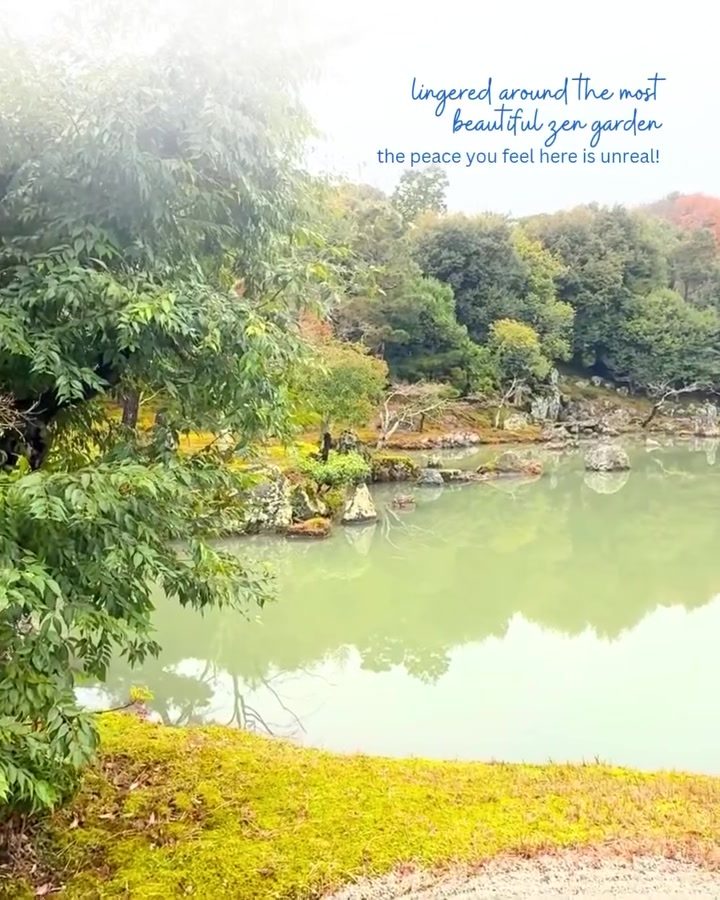
Zen Gardens in Kyoto
Kyoto, Japan, is renowned for its zen gardens, serene spaces that offer a unique blend of natural beauty and tranquility. Known for their meticulous design and calming atmosphere, these gardens are a must-visit for anyone seeking a peaceful escape from the bustling city life.
Why Zen Gardens in Kyoto Matter
Zen gardens, also known as Japanese rock gardens, are not just beautiful landscapes but also a reflection of the Zen Buddhist principles of simplicity, tranquility, and mindfulness. They are designed to evoke a sense of peace and relaxation, making them a popular destination for tourists and locals alike. The gardens in Kyoto are particularly noteworthy for their ability to create a sense of serenity that feels almost unreal.
The Essence of Zen Gardens
Design and Elements
Zen gardens are carefully designed to create a harmonious balance between natural elements and man-made structures. Key elements include rocks, sand, water, and lush greenery. The placement of these elements is not arbitrary but follows specific principles that aim to evoke a sense of calm and contemplation.
The Role of Water
Water, in the form of ponds or streams, plays a crucial role in zen gardens. It adds a dynamic element to the otherwise static landscape, creating a soothing effect. The reflection of the surrounding greenery and rocks in the water enhances the serene atmosphere, making the garden feel even more tranquil.
Lush Greenery
Lush greenery is another essential component of zen gardens. The careful selection and placement of plants contribute to the garden's overall aesthetic and create a sense of harmony. The greenery provides a visual contrast to the rocks and water, adding depth and texture to the landscape.
Practical Tips for Visiting Zen Gardens in Kyoto
Best Time to Visit
The best time to visit zen gardens in Kyoto is during the spring or autumn seasons. The spring brings cherry blossoms, while autumn offers vibrant fall foliage. Both seasons offer stunning visuals that enhance the garden's natural beauty.
Popular Gardens to Visit
Some of the most popular zen gardens in Kyoto include Ryoan-ji, Kokedera (Moss Temple), and Kaisan-ji. Each of these gardens offers a unique experience, from the famous rock garden at Ryoan-ji to the serene moss garden at Kokedera.
How to Enjoy the Experience
To fully appreciate the zen gardens, it’s best to spend some time in quiet contemplation. Walk slowly, take in the details of the landscape, and allow the peaceful atmosphere to envelop you. Taking a moment to sit and meditate can also enhance your experience.
Important Takeaways
Zen gardens in Kyoto are more than just scenic spots; they are experiences that engage all senses and foster inner peace. The meticulous design, the calming presence of water, and the lush greenery all contribute to a serene atmosphere that is hard to find elsewhere. For those seeking a respite from the noise of everyday life, these gardens offer a unique haven of tranquility.
Conclusion
Kyoto's zen gardens are a testament to the city’s rich cultural heritage and commitment to tranquility. Whether you’re a nature enthusiast, a meditation practitioner, or simply someone looking to unwind, these gardens provide an unparalleled experience. The next time you find yourself in Kyoto, make sure to linger around the most beautiful zen gardens and let the peace you feel there wash over you.
Questions readers ask
What are the key features of Kyoto's Zen gardens?
Kyoto's Zen gardens are known for their minimalist design, featuring carefully arranged rocks, sand, and moss to create a harmonious blend of natural elements. They often incorporate water features like ponds or streams, and meticulously manicured greenery to enhance the calming atmosphere.
How do Zen gardens in Kyoto reflect Zen Buddhist principles?
Zen gardens in Kyoto embody Zen Buddhist principles through their emphasis on simplicity, balance, and mindfulness. The careful arrangement of elements encourages visitors to appreciate the beauty in imperfection and find tranquility in the present moment.
Which Zen gardens in Kyoto are best for experiencing mindfulness?
Some of the top Zen gardens in Kyoto for mindfulness include Ryoan-ji, known for its rock garden, and Kinkaku-ji, or the Golden Pavilion, which offers a serene setting with a reflection pond. These gardens are designed to evoke a sense of calm and introspection.
Can visitors take guided tours of Kyoto's Zen gardens?
Yes, many of Kyoto's Zen gardens offer guided tours, providing insights into the gardens' history, design, and philosophical significance. For example, the Ryoan-ji garden offers guided tours in English, which can enhance the overall experience of the visitor's tour.
Are there any Zen gardens in Kyoto with notable views?
Kyoto offers several Zen gardens with spectacular views. The Tenryu-ji Temple garden, a UNESCO World Heritage site, is famous for its view of the surrounding mountains. Additionally, the garden at Nanzen-ji Temple is known for its picturesque landscape, especially during cherry blossom season.
What is the best time of year to visit Kyoto's Zen gardens?
The best times to visit Kyoto's Zen gardens are during spring, when cherry blossoms are in bloom, and autumn, when the foliage is at its peak. However, the gardens offer a serene experience throughout the year, with each season providing a unique and tranquil atmosphere.
Related deep dives
Similar reads based on topic and creator.




Recent articles
Fresh deep dives from the latest Reels we unpacked.




Comments
Be the first to comment.