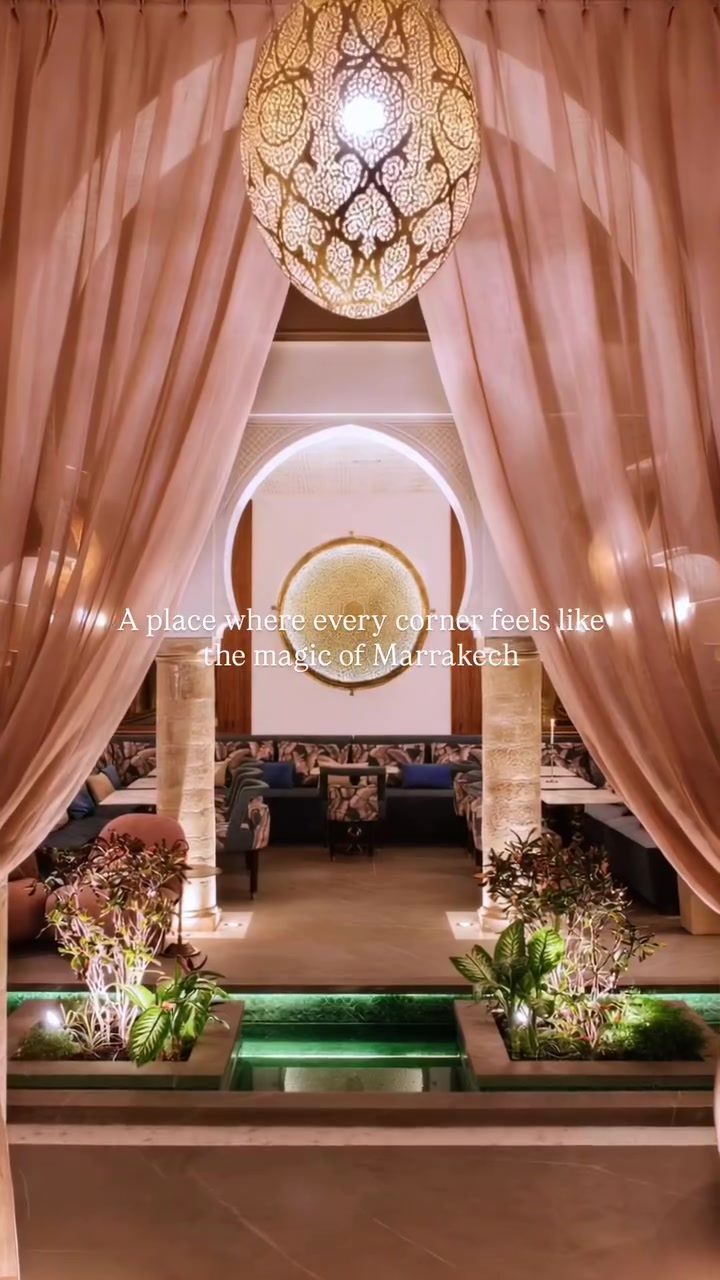
Luxury Moroccan Interior Design: A Sensory Journey
Luxury Moroccan interior design is renowned for its enchanting allure, transporting you to an exotic world where every corner feels like a magical escape. This aesthetic combines intricate patterns, unique architecture, and a warm color palette, creating spaces that evoke luxury and tranquility.
Why This Matters
Moroccan interior design is more than just a trend; it's a cultural heritage that has captivated designers and homeowners around the world. By understanding the key elements of Moroccan design, you can infuse your space with a sense of opulence and charm, whether you're creating a cozy bedroom or a grand living area.
Delving into Moroccan Design
Intricate Patterns
One of the defining features of Moroccan interior design is the use of intricate patterns. These patterns are often seen in tile work, textiles, and decorative elements. The geometric and floral motifs not only add visual interest but also create a sense of harmony and balance in the space. Think of the bold, colorful Zellige tiles or the delicate, repeating patterns in Moroccan rugs that tell a story of tradition and artistry.
Unique Architecture
Moroccan architecture is characterized by its distinctive arches, carved wood, and ornate plasterwork. These elements add depth and texture to a space, making it feel both luxurious and inviting. Features like carved wooden doors, arched windows, and carved plaster ceilings are common in Moroccan homes. These architectural elements are not just decorative; they also serve practical purposes, such as providing privacy and shade.
Warm Color Palettes
The color palette of Moroccan design is rich and inviting, often featuring deep blues, golds, and earthy tones. These colors are inspired by the natural landscape of Morocco and create a warm, enveloping atmosphere. To achieve this look, consider using rich, jewel tones in your furniture, textiles, and decorative accents. These colors can be paired with neutral backgrounds to create a striking contrast.
The Magic of Marrakech
The essence of Moroccan interior design can be summed up in the phrase, "A place where every corner feels like the magic of Marrakech." This phrase captures the enchanting spirit of Marrakech, a city known for its vibrant souks, lush gardens, and ornate palaces. By incorporating elements like Moroccan lanterns, colorful textiles, and decorative trays, you can bring a touch of Marrakech's magic into your own space.
Practical Tips for Achieving a Moroccan Look
Start with a Statement Piece
Begin your Moroccan-inspired design with a statement piece, such as a decorative rug or a patterned tile floor. This will set the tone for the rest of the room and serve as a focal point. From there, you can build out your design with complementary elements like furniture, textiles, and decorative accents.
Layer Textures
Moroccan design is all about layering textures. Incorporate a variety of textures through fabrics, rugs, and decorative items. Think plush cushions, woven baskets, and embroidered pillows. These layers add depth and visual interest, making your space feel rich and inviting.
Use Decorative Lighting
Lighting plays a crucial role in Moroccan design. Use decorative lanterns, pendant lights, and table lamps to create a warm, cozy atmosphere. Moroccan lanterns, in particular, are known for their intricate designs and warm, soft glow. Hanging them in clusters or using them as tabletop accents can add a touch of glamour to any room.
Incorporate Handcrafted Elements
Moroccan design is rich in handcrafted elements that add a sense of authenticity and craftsmanship. Look for hand-carved wood furniture, hand-painted tiles, and intricate metalwork. These elements not only add to the visual appeal but also tell a story of traditional Moroccan craftsmanship.
Important Takeaways
Embracing luxury Moroccan interior design is about more than just aesthetics; it's about creating a space that engages all your senses. The intricate patterns, unique architecture, and warm color palettes all come together to create an enchanting atmosphere. Whether you're designing a bedroom, a living room, or an outdoor space, the key is to layer textures, incorporate handcrafted elements, and use decorative lighting to bring the magic of Marrakech into your home.
Conclusion
Moroccan interior design offers a unique blend of luxury and charm that can transform any space into a sensory journey. By understanding and incorporating the key elements of this design style, you can create a home that is both beautiful and inviting. Whether you're inspired by the intricate patterns, the unique architecture, or the warm color palettes, there's always a way to infuse a touch of Moroccan magic into your interior spaces.
Questions readers ask
What are the key elements of Moroccan interior design?
Key elements of Moroccan interior design include intricate patterns, unique architecture, and a warm color palette. These elements combine to create luxurious and tranquil spaces that evoke a sense of opulence and charm. Expect to see bold, colorful tilework, ornate arches, and rich, jewel-toned colors.
How can I incorporate Moroccan interior design into my living room?
To incorporate Moroccan interior design into your living room, consider using Moroccan arches, patterned floors, and rich, jewel-toned colors. Adding decorative elements like ornate lanterns, plush cushions, and intricate textiles can further enhance the exotic feel. Even small spaces can benefit from Moroccan design by using these elements judiciously.
What are some common materials used in Moroccan interior design?
Moroccan interior design often features materials like vibrantly colored tiles, intricate mosaics, and rich, textured fabrics. Metals, particularly wrought iron and brass, are also commonly used in decorative accents. These materials contribute to the luxurious and opulent feel of Moroccan-style rooms.
Can Moroccan interior design work in small spaces?
Yes, Moroccan interior design can work well in small spaces. The key is to use the elements of Moroccan design thoughtfully. For example, incorporate bold colors and intricate patterns through accessories and textiles rather than overwhelming the space with large furniture or numerous decorative items.
Who can help me design a Moroccan-style bedroom?
To design a Moroccan-style bedroom, consider consulting with an interior designer who specializes in Moroccan interior design. You can also find inspiration from Moroccan interior design magazines and online sources. Look for designers who have experience with Moroccan decor ideas and can provide relevant Moroccan interior design inspiration.
What are some common architectural features in Moroccan interior design?
Common architectural features in Moroccan interior design include ornate arches, intricate mosaics, and detailed plasterwork. These features are often combined with unique lighting fixtures and decorative elements to create a luxurious and exotic atmosphere. The Moorish architecture interior style is particularly notable for its use of these features.
Related deep dives
Similar reads based on topic and creator.

Recent articles
Fresh deep dives from the latest Reels we unpacked.




Comments
Be the first to comment.