Christmas in Germany
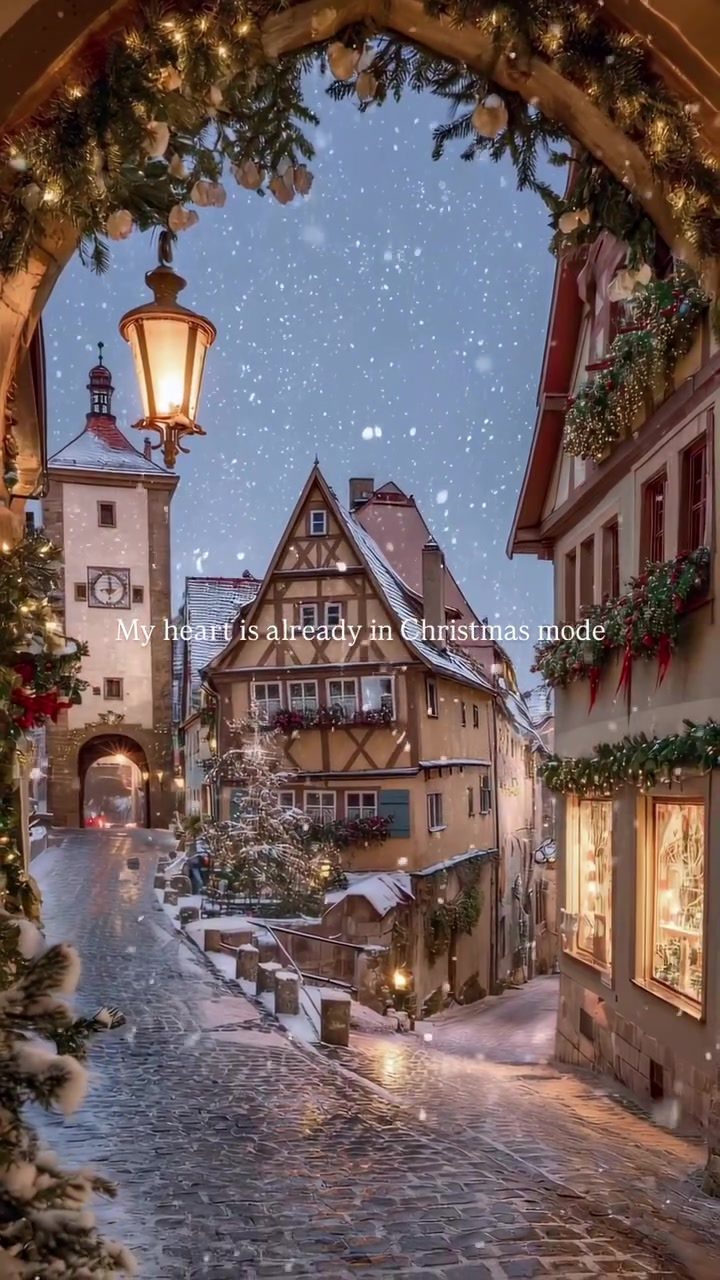
Imagine the scent of gingerbread filling the air, the twinkle of lights reflecting on fresh snow, and the sound of laughter echoing through cobblestone streets. This is the enchanting atmosphere of a German Christmas. From the moment you step into a snowy village, you can feel the joy and warmth of the season.
For many, the Christmas season is a time to reconnect with family and embrace the traditions that have been passed down through generations. As someone once said, "Somewhere in my family, the joy of Christmas lives on." In Germany, this sentiment is brought to life in every corner, from the bustling markets to the quiet moments spent with loved ones.
Why this matters
German Christmas traditions are renowned worldwide for their charm and authenticity. They offer a unique blend of cultural heritage, festive spirit, and community bonding. Understanding and experiencing these traditions can enrich your holiday season, whether you're traveling to Germany or simply looking to incorporate some of these customs into your own celebrations.
The Magic of German Christmas
Christmas Markets
Germany's Christmas markets, or Weihnachtsmärkte, are legendary. These markets transform public squares into festive wonderlands, filled with stalls selling handmade ornaments, delicious treats, and warm beverages. The most famous markets can be found in cities like Nuremberg, Dresden, and Berlin. Each market has its unique character, but all share a common spirit of togetherness and celebration.
Traditional Decorations
German homes are often adorned with traditional decorations that hold deep cultural significance. Advent wreaths, made from evergreen branches and adorned with four candles, are a staple in many households. As each week passes during Advent, a candle is lit, symbolizing the anticipation of Christmas. Additionally, hand-painted wooden ornaments, known as Baumschmuck, are carefully placed on Christmas trees, adding a personal touch to the decorations.
Food and Drinks
German Christmas cuisine is a delight for the senses. Stollen, a fruitcake-like bread with dried fruits and nuts, is a traditional treat that can be found in bakeries throughout the country. Lebkuchen, or gingerbread, is another favorite, often enjoyed with a warm cup of Glühwein, a spiced mulled wine. Other popular dishes include Dresdner Christstollen and Nussknacker, which add to the festive atmosphere.
Celebrations and Customs
In Germany, Christmas is celebrated over several days, starting with Christmas Eve, or Heiligabend. This is a time for family gatherings, gift exchanges, and a special meal. Many families attend church services, and children eagerly await the arrival of the Christkind, the angelic figure who brings gifts. On Christmas Day, families often visit relatives and enjoy a feast, while Boxing Day, or Zweiter Weihnachtsfeiertag, is dedicated to spending time with loved ones and enjoying leftover treats.
Practical tips
Experiencing the magic of a German Christmas can be an unforgettable adventure. Here are some practical tips to help you make the most of your journey:
Best Places to Visit
If you're planning a trip to Germany during the Christmas season, there are several must-visit destinations. Nuremberg, with its centuries-old Christmas market, offers a rich history and a vast array of traditional crafts and treats. Cologne, known for its stunning cathedral and lively markets, is another popular choice. For a more intimate experience, consider smaller towns like Rothenburg ob der Tauber, which boasts a picturesque Christmas market and traditional architecture.
What to Pack
When packing for a German Christmas adventure, remember to bring warm layers, comfortable walking shoes, and a sense of curiosity. Don't forget to leave some space in your luggage for all the wonderful treats and gifts you'll want to bring home. A portable charger is also a good idea, as you'll likely be taking lots of photos and videos to capture the magic.
How to Interact with Locals
Engaging with locals can greatly enhance your experience. Don't be afraid to try a few German phrases, such as "Frohe Weihnachten" (Merry Christmas) or "Guten Appetit" (Enjoy your meal). Locals are often eager to share their traditions and stories, so take the time to chat with vendors at the markets or join in on community events.
Important takeaways
The enchantment of a German Christmas lies in its blend of rich traditions, festive decorations, and heartwarming rituals. From the bustling Christmas markets to the cozy family gatherings, every aspect of the season is infused with a sense of togetherness and joy.
For a truly memorable experience, consider visiting some of the most renowned Christmas markets, indulging in traditional treats, and immersing yourself in the local culture. Whether you're a seasoned traveler or a first-time visitor, the charm of a German Christmas is sure to leave a lasting impression.
Conclusion
A Christmas in Germany is more than just a vacation; it's an experience that engages all your senses. The sights, sounds, and tastes of the season create a tapestry of memories that will stay with you long after the holiday lights have been packed away. So, if you find yourself yearning for a festive adventure, look no further than the enchanting world of a German Christmas.
Questions readers ask
What are some popular items to find at German Christmas markets?
German Christmas markets are famous for their variety of traditional treats and crafts. You can find gingerbread (Lebkuchen), glühwein (mulled wine), stollen (fruit cake), and roasted nuts, along with intricate handmade ornaments and decorative items.
Which regions of Germany are known for their festive Christmas markets?
Germany has numerous enchanting Christmas markets, but some of the most renowned are in Nuremberg, known for its historic market and traditional toys, and in cities like Munich, Cologne, and Dresden. Each offers a unique blend of local traditions and festive cheer.
What are some traditional German Christmas decorations?
Traditional German Christmas decorations include handcrafted ornaments, advent wreaths, and Advent calendars. You can also find beautifully decorated Christmas trees and nutcrackers, which are often displayed in homes and public spaces.
How do German families celebrate Christmas?
German families often begin their Christmas celebrations on Christmas Eve with a festive dinner. They exchange gifts, sing carols, and enjoy traditional sweets. On Christmas Day, families attend church services and enjoy a leisurely day with loved ones.
What is the significance of the Advent season in Germany?
The Advent season in Germany is a time of anticipation and preparation for Christmas. Families mark the four Sundays leading up to Christmas with Advent wreaths, Advent calendars, and special activities. It is a cherished time for reflection, tradition, and togetherness.
What makes the architecture of German villages special during Christmas?
German village architecture, with its timber-framed houses and cobblestone streets, creates a charming backdrop for the holiday season. During Christmas, these villages are adorned with twinkling lights, wreaths, and festive decorations, enhancing the magical atmosphere.
How do German Christmas markets differ from other Christmas markets around the world?
German Christmas markets are unique for their rich cultural heritage, authentic traditions, and a strong sense of community. They offer a wide array of local crafts, traditional foods, and warm beverages, making them a popular destination for both locals and tourists seeking a genuine holiday experience.
Related deep dives
Similar reads based on topic and creator.




Recent articles
Fresh deep dives from the latest Reels we unpacked.




Comments
Be the first to comment.