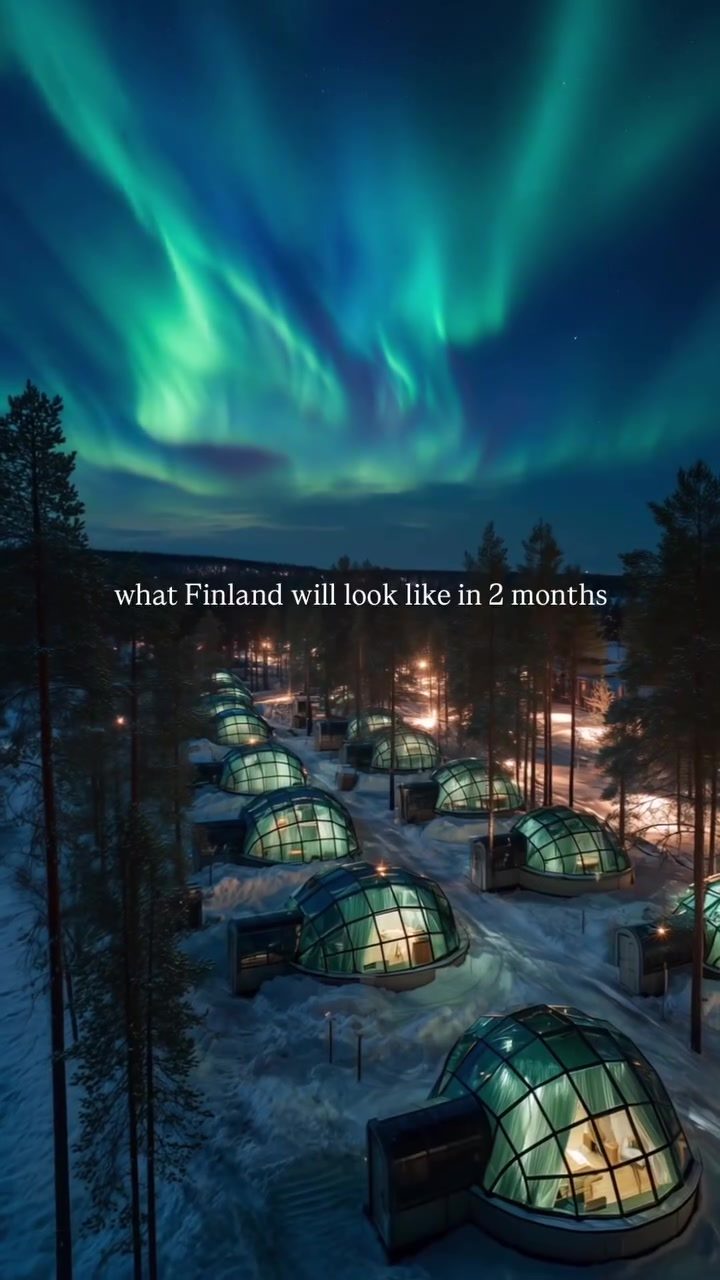
Finland in Winter
Finland in winter is a magical experience, with its pristine snow-covered landscapes, cozy accommodations, and breathtaking natural phenomena like the Northern Lights. This guide will walk you through what makes Finland a must-visit destination during the coldest months.
Why Winter Travel to Finland Matters
Winter in Finland is not just about the cold; it's about the unique experiences that the season brings. The country transforms into a winter wonderland, offering activities and sights that are simply not available during the warmer months. From the mesmerizing Northern Lights to cozy glass igloos, Finland in winter is an unforgettable adventure.
Winter Activities in Finland
The Northern Lights (Aurora Borealis)
One of the most spectacular natural phenomena, the Northern Lights, are a major draw for visitors to Finland during the winter. The best time to see the Aurora Borealis is from September to March, with the peak viewing months being November, December, and January. The lights are best seen in areas with minimal light pollution, such as rural Lapland.
Best Spots to View the Northern Lights
- Rovaniemi: Known as the official hometown of Santa Claus, Rovaniemi offers a unique blend of Christmas magic and natural beauty. The city's northern location makes it an ideal spot for viewing the Northern Lights.
- Saariselkä: Located in the heart of Lapland, Saariselkä is a popular destination for aurora viewing due to its remote and dark skies.
- Inari: Situated in the far north, Inari is known for its stunning landscapes and clear skies, making it a prime spot for aurora viewing.
Luxurious Accommodations: The Glass Igloo
For a truly unique and luxurious experience, consider staying in a glass igloo. These igloos offer a 180-degree view of the surrounding landscape, allowing you to enjoy the Northern Lights from the comfort of your bed. The igloos are often equipped with modern amenities, ensuring a cozy and memorable stay.
Popular Glass Igloo Destinations
- Kakslauttanen Arctic Resort: Located near the town of Kakslauttanen, this resort offers a range of glass igloos and other unique accommodations. The resort is known for its stunning views and excellent aurora sightings.
- Levi Igloo Village: Situated in the heart of Levi, this igloo village offers modern glass igloos with heated floors, glass roofs, and comfortable bedding.
Winter Sports and Adventure
Finland's winter landscape is perfect for a variety of outdoor activities. Whether you're a seasoned adventurer or a beginner, there's something for everyone.
Sleigh Rides
A sleigh ride through a snowy forest is a quintessential Finnish winter experience. These rides are often pulled by reindeer or horses and offer a serene and magical way to explore the countryside. The snow-covered trees and quiet surroundings create a tranquil atmosphere, perfect for unwinding and enjoying the beauty of nature.
Skiing and Snowboarding
Finland has some of the best ski resorts in the world, offering a range of slopes for all skill levels. Whether you're a beginner or an expert, there are plenty of options to choose from. Some popular ski resorts include Levi, Ruka, and Ylläs.
Cozy Winter Dining
Winter in Finland is not just about the outdoors; it's also about the cozy indoor experiences. Dining in a glass igloo or a traditional wooden lodge is a memorable way to enjoy the local cuisine. Many resorts and hotels offer unique dining experiences, such as reindeer meat, lingonberry jam, and other regional specialties.
Practical Tips for Your Winter Adventure
Packing Essentials
When packing for a winter trip to Finland, it's essential to bring the right gear. Layering is key, as temperatures can drop significantly. Pack thermal underwear, insulated jackets, and waterproof boots. Don't forget to bring a good pair of gloves and a warm hat to protect your extremities. Additionally, packing a good camera is essential for capturing the Northern Lights and other natural wonders.
Traveling in the Winter
Finland's winter roads can be challenging, so it's best to rent a 4x4 vehicle if you plan on driving. If you prefer public transportation, the country has an efficient rail and bus network that connects major cities and towns. For those looking to explore more remote areas, consider hiring a local guide or joining a guided tour.
Photography Tips
Capturing the Northern Lights and other winter landscapes requires some photography skills. Here are some tips to help you get the best shots:
- Use a Tripod: A tripod is essential for capturing long exposures and keeping your camera steady.
- Adjust Your Settings: Use a wide-angle lens, set your aperture to f/2.8 or wider, and use a low ISO (around 1600-3200) to capture the lights clearly.
- Practice: The more you practice, the better you'll get at capturing the Northern Lights and other winter sights.
Health and Safety
Winter travel in Finland can be challenging, so it's important to stay healthy and safe. Dress in layers to stay warm, and stay hydrated by drinking plenty of water. If you're planning on spending a lot of time outdoors, consider bringing a first aid kit and knowing basic first aid techniques. Additionally, be aware of the signs of frostbite and hypothermia, and know what to do if you or someone else experiences these conditions.
Important Takeaways
Finland in winter is a magical and unforgettable experience. Here are some key takeaways to remember:
- The Northern Lights are best viewed in areas with minimal light pollution, such as rural Lapland.
- Staying in a glass igloo offers a unique and luxurious way to enjoy the Northern Lights and other winter sights.
- Winter activities like sleigh rides, skiing, and snowboarding provide a range of options for adventure seekers.
- Packing the right gear, traveling safely, and staying healthy are essential for a successful winter trip.
Finland in winter is more than just a destination; it's an experience. Whether you're seeking adventure, romance, or simply a cozy getaway, Finland has something to offer. So pack your bags, grab your camera, and get ready for an unforgettable journey through the winter wonderland of Finland.
Questions readers ask
What are glass igloos and why should I consider staying in one?
Glass igloos are unique dome-shaped accommodations with a glass roof, allowing you to view the night sky and potentially the Northern Lights from your bed. Staying in one offers a cozy and unforgettable experience in the heart of Finland's winter wonderland. They are most common in Finland in Lapland, where the snowscape is most pristine.
When is the best time to see the Northern Lights in Finland?
The Northern Lights can be visible from late August to early April, but the peak season is from September to March. The best time to view them is on clear, dark nights, typically between 6 PM and 1 AM.
What should I pack for a winter trip to Finland?
Pack warm clothing, including a thermal base layer, insulated jacket, gloves, and a hat. Waterproof boots are also essential for walking in snowy conditions. Don't forget to bring a camera with a tripod for capturing the Northern Lights.
What activities can I enjoy in Lapland besides viewing the Northern Lights?
Lapland offers a variety of winter activities such as dog sledding, reindeer safaris, snowmobiling, skiing, and snow shoeing. You can also visit the Santa Claus Village in Rovaniemi, the official hometown of Santa Claus.
Are there any specific spots in Lapland known for their exceptional views of the Northern Lights?
Lapland is filled with excellent prime viewing spots for the Northern Lights, including locations like Levi, Saariselkä, and Kilpisjärvi. These areas offer clear skies and minimal light pollution, providing optimal conditions for aurora viewing.
How can I capture the Northern Lights on camera?
To capture the Northern Lights, use a DSLR or mirrorless camera with manual settings. Set a high ISO (1600-3200), a wide aperture (f/2.8 or lower), and a long exposure time (15-30 seconds). Use a tripod to keep your camera steady during long exposures.
What kind of weather should I expect in Finland during winter?
Finland's winters are cold and snowy, with average temperatures ranging from -5°C to -25°C (-41°F to 13°F). However, the exact weather can vary depending on the region, with Lapland typically experiencing colder temperatures and more snowfall.
Related deep dives
Similar reads based on topic and creator.




Recent articles
Fresh deep dives from the latest Reels we unpacked.



Comments
Be the first to comment.