Longevity and Exercise
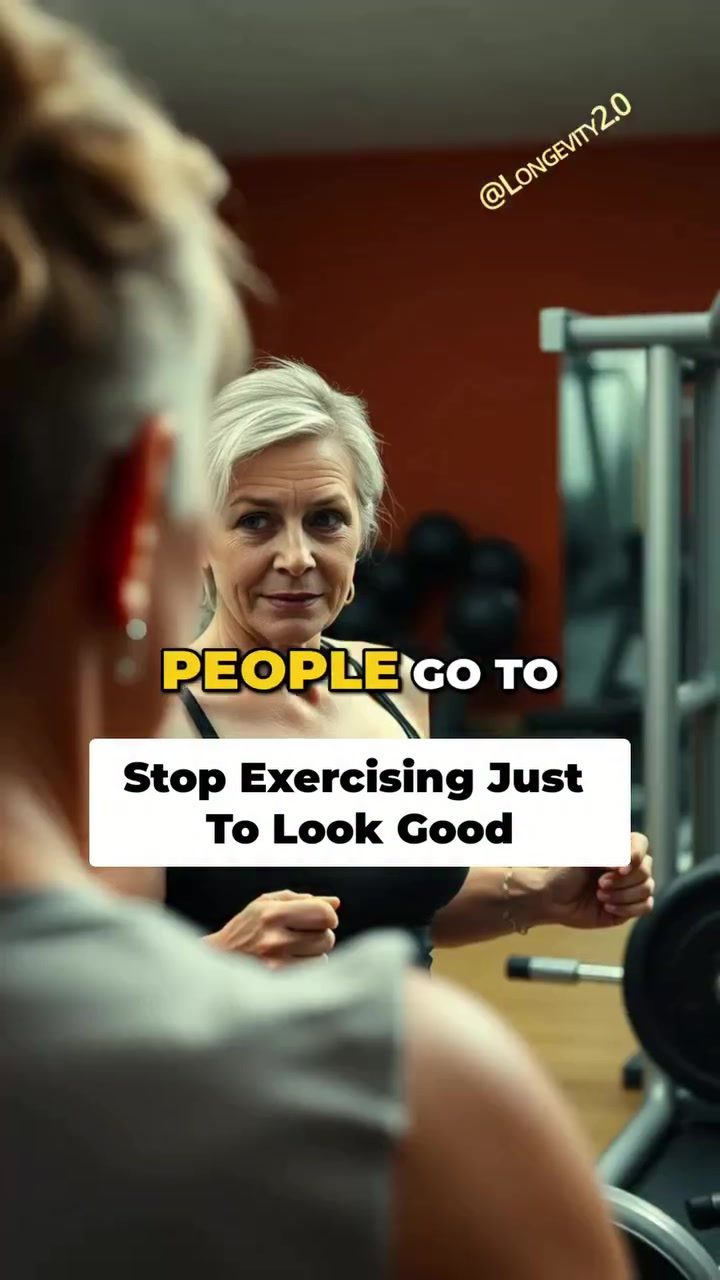
Exercise is a powerful tool for enhancing overall health and well-being, especially when the focus shifts from mere aesthetics to long-term benefits. Dr. Louisa Nicola, a prominent figure in the longevity movement, advocates for a paradigm shift in why we exercise. Instead of prioritizing appearance, she encourages a focus on the many health advantages that regular physical activity offers.
Context / Why this matters
Understanding the deeper benefits of exercise can fundamentally alter our approach to fitness. When exercise is about more than just looking good, it becomes an investment in a healthier, more independent future. This shift in mindset can make a significant difference in motivating individuals to maintain a consistent exercise routine.
Main discussion
The Mental and Physical Benefits
Dr. Louisa Nicola emphasizes that exercise should ideally be about improving mental and physical health. For women, in particular, the pressure to maintain a certain appearance can be stressful. This pressure is especially pronounced as women age, and it can deter them from engaging in physical activities. By refocusing the purpose of exercise on brain health, anti-cancer effects, and overall well-being, individuals are more likely to stick to their routines.
The concept of exercise for longevity extends beyond physical appearance. Regular physical activity supports brain health, reduces cancer risk, strengthens bones, improves mobility, and enhances independence as people age. This holistic approach ensures that exercise is not just a temporary solution to fit a specific body type but rather a sustainable practice to improve the quality of life.
Reducing the Risk of Age-Related Health Issues
One of the most compelling reasons to exercise for longevity is the reduction of age-related health risks. For instance, maintaining an active lifestyle can significantly lower the chances of falling and breaking a hip, which is a common and potentially life-altering injury among older adults. Similarly, regular exercise strengthens muscles and bones, making everyday activities like getting up from a chair easier and more manageable.
Enhancing Mental Sharpness and Independence
The mental benefits of exercise are equally significant. Regular physical activity keeps the mind sharp and can prevent cognitive decline. This is particularly important as people age, as maintaining cognitive function is crucial for independence and quality of life. Dr. Louisa Nicola argues that the ability to have meaningful conversations with grandchildren or to carry out daily tasks without assistance is a much more valuable outcome of exercise than achieving a desired body type.
Practical Tips
To incorporate a longevity-focused approach to exercise, consider the following tips:
Set Specific, Long-Term Goals
Instead of setting goals based on short-term aesthetic outcomes, focus on long-term health objectives. For example, aim to improve your ability to walk for longer periods, lift heavier weights, or increase your flexibility. These goals align with the benefits of exercise for longevity and will motivate you to maintain a consistent routine.
Mix Up Your Routine
Incorporate a variety of exercises into your routine to keep things interesting. This can include strength training, cardiovascular exercises, and flexibility workouts. Mixing up your routine not only prevents boredom but also ensures that you are addressing all aspects of your health, from muscle strength to cardiovascular health to flexibility.
Engage in Brain-Boosting Activities
Activities that challenge the brain, such as puzzles, memory games, or learning new skills, can complement physical exercise. Engaging in both physical and mental activities can enhance cognitive function and overall health.
Seek Professional Guidance
Consult with a healthcare professional or a fitness expert to tailor an exercise plan that suits your needs and goals. A professional can provide personalized advice and ensure that you are exercising safely and effectively.
Focus on the Process, Not Just the Outcome
Rather than focusing solely on the end results, enjoy the process of exercising. Celebrate small achievements and milestones along the way. When you view exercise as a journey rather than a destination, it becomes a sustainable part of your lifestyle.
Important Takeaways
Exercise is far more than just a means to achieve a desired physique. It is a critical component of a healthy lifestyle, especially as we age. By shifting the focus from aesthetics to long-term health benefits, individuals can maintain their motivation and reap the rewards of a physically active life. These benefits include improved brain health, reduced cancer risk, stronger bones, better mobility, and greater independence.
Conclusion
The benefits of exercise extend far beyond physical appearance. Regular physical activity supports brain health, reduces the risk of age-related health issues, and enhances overall well-being. By focusing on these long-term benefits, individuals can stay motivated and maintain a consistent exercise routine. Exercise becomes an investment in a healthier, more independent future, ensuring that we can enjoy the quality of life we desire as we age.
Questions readers ask
How does exercise contribute to longevity?
Exercise contributes to longevity by reducing age-related risks, such as heart disease and diabetes. Regular physical activity supports overall well-being, helping individuals live longer, more fulfilling lives.
What are the benefits of focusing on exercise for long-term health rather than appearance?
Shifting the focus to long-term health benefits can enhance motivation to stay active. It ensures that you are not only working on physical aesthetics but also improving mental health, mobility, and overall well-being.
How does exercise support brain health?
Exercise supports brain health by promoting better cognitive function and reducing the risk of age-related mental decline. Physical activity increases blood flow and oxygen to the brain, enhancing its overall function.
What are the risks of inactivity as we age?
Inactivity as we age can lead to a decline in hip mobility, increased risk of falls, and overall reduced quality of life. Regular exercise helps mitigate these risks by maintaining strength, balance, and flexibility.
How can exercise improve mental health and overall well-being?
Exercise improves mental health by reducing symptoms of depression and anxiety. It also boosts mood and enhances overall well-being through the release of endorphins, which act as natural mood elevators.
What are some age-related risks that exercise can help prevent?
Exercise can help prevent age-related risks like heart disease, osteoporosis, and type 2 diabetes. It also improves bone density, strength, and cardiovascular health, contributing to a more independent and healthier life.
How does exercise motivate individuals to maintain a consistent routine for the long term?
Focusing on the holistic benefits of exercise—such as improved mental health, mobility, and overall well-being—can provide a strong motivation to maintain a consistent exercise routine. Understanding the deeper benefits makes exercise a more meaningful part of daily life.
Recent articles
Fresh deep dives from the latest Reels we unpacked.




Comments
Be the first to comment.