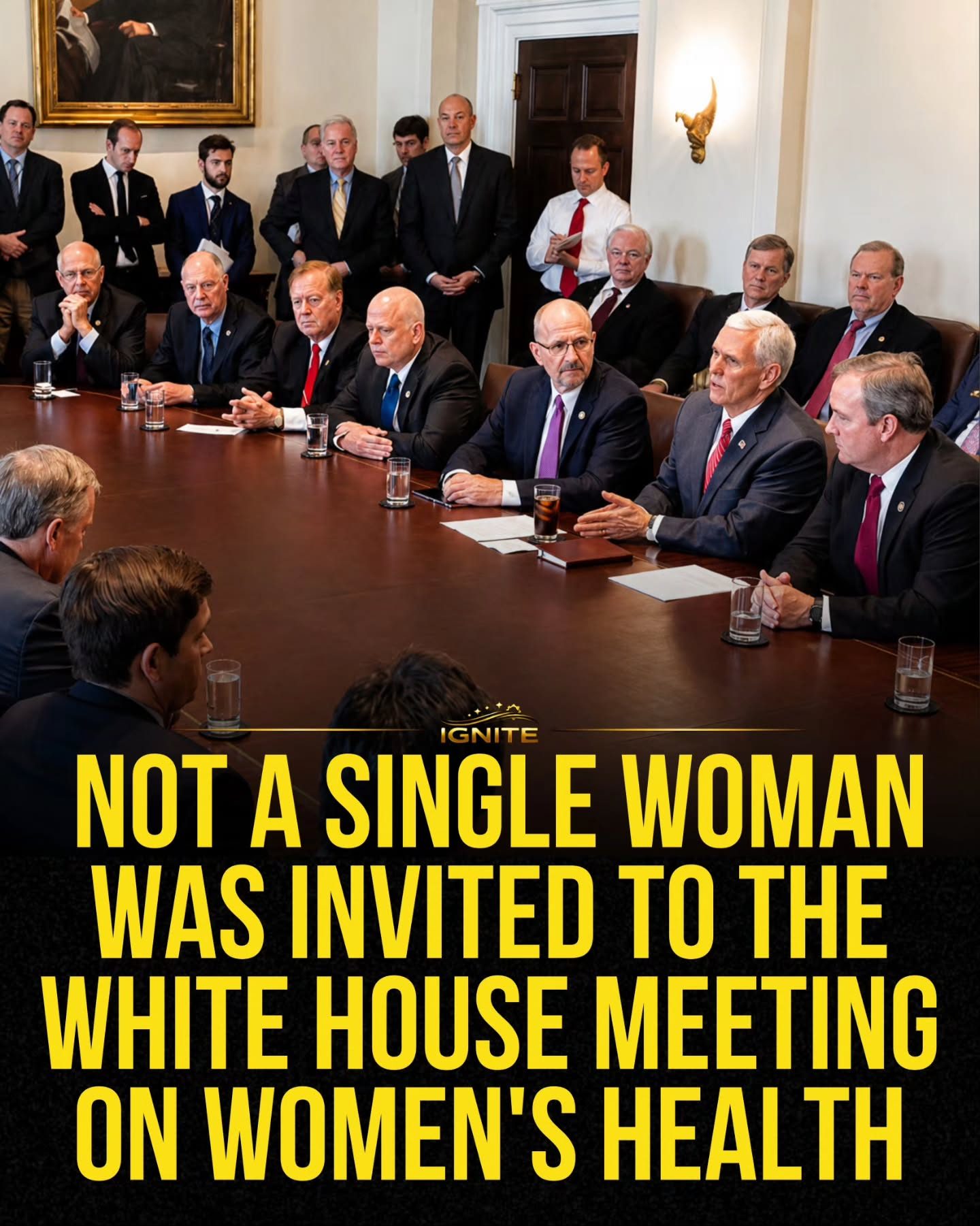
All-Male White House Meeting on Women's Health: The Significance of Representation
A 2017 White House meeting on changes to the Affordable Care Act became a focal point of criticism. Photographs from the meeting showed an all-male group of lawmakers discussing policies directly affecting women’s healthcare coverage. This stark image highlighted a broader issue: the lack of female representation in decision-making processes that significantly impact women's health.
The Context and Importance
The meeting's photo sparked a national debate about representation and the need for women's voices in healthcare policy discussions. The absence of women in a meeting focused on women's health underscored the broader issue of gender disparity in political and policy-making spaces.
When decisions about healthcare policies are made without adequate female representation, the resulting policies may not fully address the unique needs and challenges faced by women. This lack of representation can lead to policies that are not inclusive or comprehensive, potentially ignoring critical health issues specific to women.
The Meeting and Its Aftermath
The 2017 meeting was held to discuss potential changes to the Affordable Care Act, a law that has had significant implications for women's healthcare. The Affordable Care Act expanded access to preventive care, contraception, and maternity care, among other benefits. Any changes to this act could have far-reaching effects on women's health.
The all-male group of lawmakers included many of the key figures involved in crafting healthcare policy at the time. The absence of women in these discussions drew criticism from various quarters, including healthcare advocates, women's rights groups, and the general public. The meeting's photo became a symbolic representation of the broader issue of women's underrepresentation in political and policy-making roles.
Broader Issues of Representation
The 2017 White House meeting is not an isolated incident. Women are often underrepresented in decision-making bodies, whether in government, corporate boards, or other influential spaces. This lack of representation can lead to policies and decisions that do not adequately address the needs and concerns of women.
There are several reasons why representation matters. Women bring unique perspectives and experiences to the table, which can influence policy discussions in meaningful ways. For instance, women may have different health concerns, such as reproductive health and maternal mortality, which may not be fully considered in policy discussions dominated by men. Additionally, women's representation can foster a more inclusive and participatory democratic process, ensuring that diverse voices are heard and considered.
Practical Steps Towards Better Representation
Increasing women's representation in decision-making bodies requires a multi-faceted approach. This includes pushing for policy changes, advocating for more inclusive hiring practices, and promoting leadership programs that encourage women to step into positions of power.
Creating supportive environments for women in politics and policy-making is essential. This involves addressing issues like workplace harassment, lack of mentorship, and the unique challenges women face in balancing work and family responsibilities. Implementing policies such as paid family leave, flexible work arrangements, and robust anti-discrimination laws can help create a more inclusive and equitable environment for women.
Important Takeaways
The 2017 White House meeting on women's health serves as a powerful reminder of the importance of representation. When women are not included in decision-making processes that directly affect their health and well-being, it can lead to policies that do not fully address their needs. The meeting's photo sparked a national debate about representation and the need for women's voices in healthcare policy discussions.
Achieving better representation requires a concerted effort from all stakeholders, including policymakers, advocates, and the public. By advocating for more inclusive policies, promoting supportive environments, and encouraging women to step into leadership roles, we can create a more equitable and representative decision-making process.
Conclusion
The all-male White House meeting on women's health in 2017 was a stark reminder of the ongoing issue of gender disparity in policy-making. The absence of women in discussions about women's health highlights the broader need for better representation. Representation matters because it ensures that diverse perspectives and experiences are considered, leading to more inclusive and comprehensive policies. By taking practical steps to increase women's representation, we can work towards a more equitable and representative future.
Questions readers ask
Why did the 2017 all-male White House meeting on women's health attract so much attention?
The 2017 all-male White House meeting on women's health gained significant attention because it featured a group of male lawmakers discussing policies that directly impact women's healthcare. The stark absence of women in such a critical discussion sparked a national conversation about the importance of representation in healthcare policy-making.
What issues are raised when women are not included in healthcare policy decisions?
When women are not included in healthcare policy decisions, it can lead to policies that do not fully consider the unique health needs and challenges faced by women. This can result in healthcare policies that are not inclusive of women's health.
How does gender disparity in healthcare policy-making affect women's health?
Gender disparity in healthcare policy-making can lead to a lack of representation of women's health concerns, resulting in policies that may not adequately address issues such as reproductive health, maternal care, and gender-specific health risks. This can have significant impact on women's access to healthcare and the quality of care they receive.
What can be done to address the lack of female representation in healthcare policy meetings?
To address the lack of female representation in healthcare policy meetings, it is important to actively include female policymakers and stakeholders in discussions. This can be achieved by setting clear guidelines for diversity and ensuring that women have a seat at the table in all policy discussions related to women's health.
Why is it important to have women involved in creating healthcare policies for women?
Having women involved in creating healthcare policies for women is important because they can provide valuable insights and perspectives that may otherwise be overlooked. This helps ensure that policies are comprehensive, equitable, and effective in addressing the health needs of all women.
Were there any immediate changes made following the 2017 all-male White House meeting on women's health?
The 2017 all-male White House meeting on women's health did not immediately result in the changes in policy making. However, it did spark a broader national debate on the importance of gender representation in policy-making, leading to increased awareness and advocacy for inclusivity in healthcare policy discussions.
Recent articles
Fresh deep dives from the latest Reels we unpacked.




Comments
Be the first to comment.