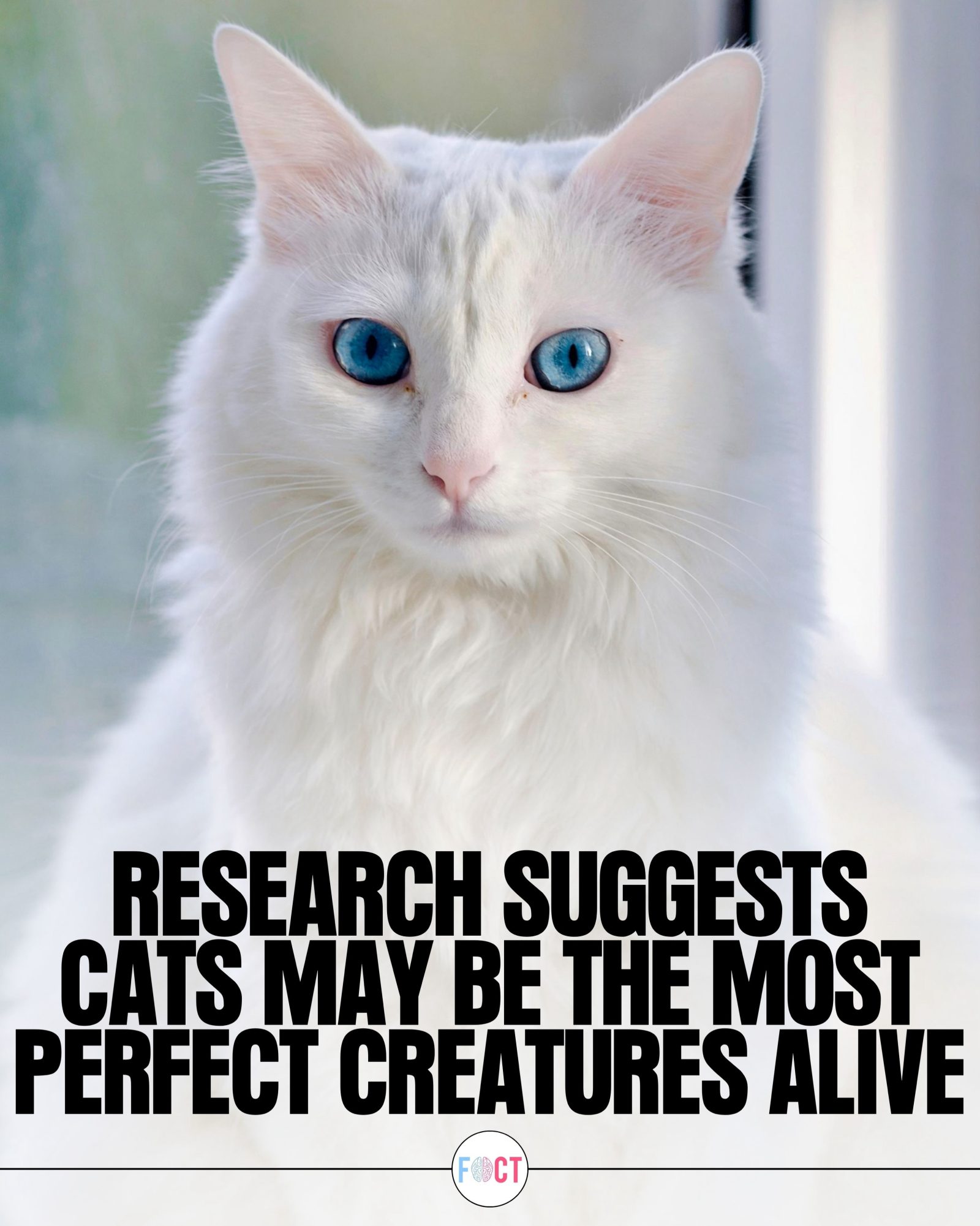
Cats: The Pinnacle of Evolutionary Perfection
Cats have long been admired for their grace and independence, but did you know that they are also one of the most structurally efficient creatures on the planet? A team of evolutionary biologists from the University of Lyon delved into the evolutionary history of cats, analyzing over 2,000 fossil records of ancient carnivores. Their groundbreaking research, published in 2015, revealed that the feline family has maintained a remarkably efficient structure for millions of years.
The Evolutionary History of Felines
The study focused on the structural adaptations of ancient cats, comparing them to other ancient carnivores. The findings were striking: cats have undergone minimal evolutionary changes to their skeletal blueprints. This anatomical efficiency allowed them to outcompete prehistoric dog species, contributing to the extinction of several canine lineages.
Why This Matters
Understanding the evolutionary success of cats provides valuable insights into the dynamics of predator-prey relationships and the factors that drive species survival. The structural efficiency of cats is not just a testament to their physical prowess but also to their adaptive capabilities.
The Anatomy of a Perfect Predator
Skeletal Efficiency
Cats possess a skeletal structure that is perfectly adapted for their hunting lifestyle. Their lightweight yet robust bones, combined with powerful muscles, make them agile and stealthy predators. This efficiency in design allows them to conserve energy while maximizing their hunting effectiveness, a crucial advantage in the wild.
Adaptability
One of the key factors in the evolutionary success of cats is their adaptability. The data from the fossil records shows that ancient cats were able to adapt to various ecological niches with minimal changes to their skeletal structure. This adaptability has allowed them to thrive in diverse environments, from the dense forests to the arid deserts.
Competitive Advantage
The structural efficiency of cats gave them a significant competitive advantage over prehistoric dog species. This advantage is evident in their ability to outcompete and, in some cases, drive certain canine lineages to extinction. The feline family's success story is a testament to the power of efficient design and adaptability in the evolutionary arms race.
Practical Tips for Cat Lovers
While cats are remarkably efficient predators, they also make wonderful companions. Here are some practical tips for cat lovers:
Understanding Their Needs
Cats, with their efficient structure, are well-equipped to handle various environments. However, as responsible pet owners, it's important to provide them with a balanced diet and regular exercise. This ensures that their physical prowess is maintained, and they remain healthy and happy.
Enrichment Activities
Providing enrichment activities is crucial for keeping your cat mentally stimulated. Interactive toys, climbing structures, and puzzle feeders can help keep your feline friend engaged and active, mirroring the challenges they might face in the wild.
Important Takeaways
The research from the University of Lyon underscores the evolutionary perfection of cats. Their skeletal efficiency, adaptability, and competitive advantages have made them one of the most successful predator species. By understanding the unique qualities that make cats so efficient, we can better appreciate and care for these remarkable creatures.
Conclusion
Cats are not just cute and cuddly pets; they are a testament to the power of evolutionary perfection. Their efficient structure, adaptability, and competitive advantages have allowed them to thrive for millions of years. Whether you're a cat lover or simply fascinated by evolutionary biology, understanding the remarkable traits of felines offers a deeper appreciation for these extraordinary creatures.
Questions readers ask
What makes cats such efficient predators from an evolutionary standpoint?
Cats have maintained a highly efficient skeletal structure over millions of years, with minimal changes to their blueprint. This structural efficiency allows them to be agile, swift, and lethal predators, giving them an edge in the food chain.
How have cats managed to outcompete other carnivores?
Cats' adaptability to diverse environments and their efficient design have enabled them to outcompete other carnivores. Their predation strategies and hunting skills, honed over millions of years, make them formidable competitors.
What did the University of Lyon's study reveal about ancient cat fossils?
The study analyzed over 2,000 fossil records and found that ancient cats maintained a remarkably efficient structure. This consistency in skeletal design highlights the evolutionary perfection of cats and their enduring predation success.
How have cats' structural adaptations contributed to their success?
Cats' skeletal efficiency and minimal evolutionary changes to their structure have allowed them to maintain exceptional agility and versatility. These adaptations have enabled them to thrive in various environments and dominate the food chain.
What can ancient cat fossils tell us about the evolutionary history of felines?
Ancient cat fossils provide insights into the consistent and efficient design of felines over time. By studying these fossils, researchers can understand how cats' structural adaptations have contributed to their enduring success as top predators.
What are some key factors in cats' predation success?
Cats' predation success can be attributed to their agility, versatility, and adaptive hunting strategies. Their efficient skeletal design and minimal evolutionary changes have allowed them to remain perfect predators in diverse environments.
How have cats' adaptability and structural design influenced their food chain dominance?
Cats' ability to adapt to various environments, combined with their structurally efficient design, has given them a significant advantage over other carnivores. This adaptability and efficiency have solidified their position at the top of the food chain.
Related deep dives
Similar reads based on topic and creator.



Recent articles
Fresh deep dives from the latest Reels we unpacked.




Comments
Be the first to comment.