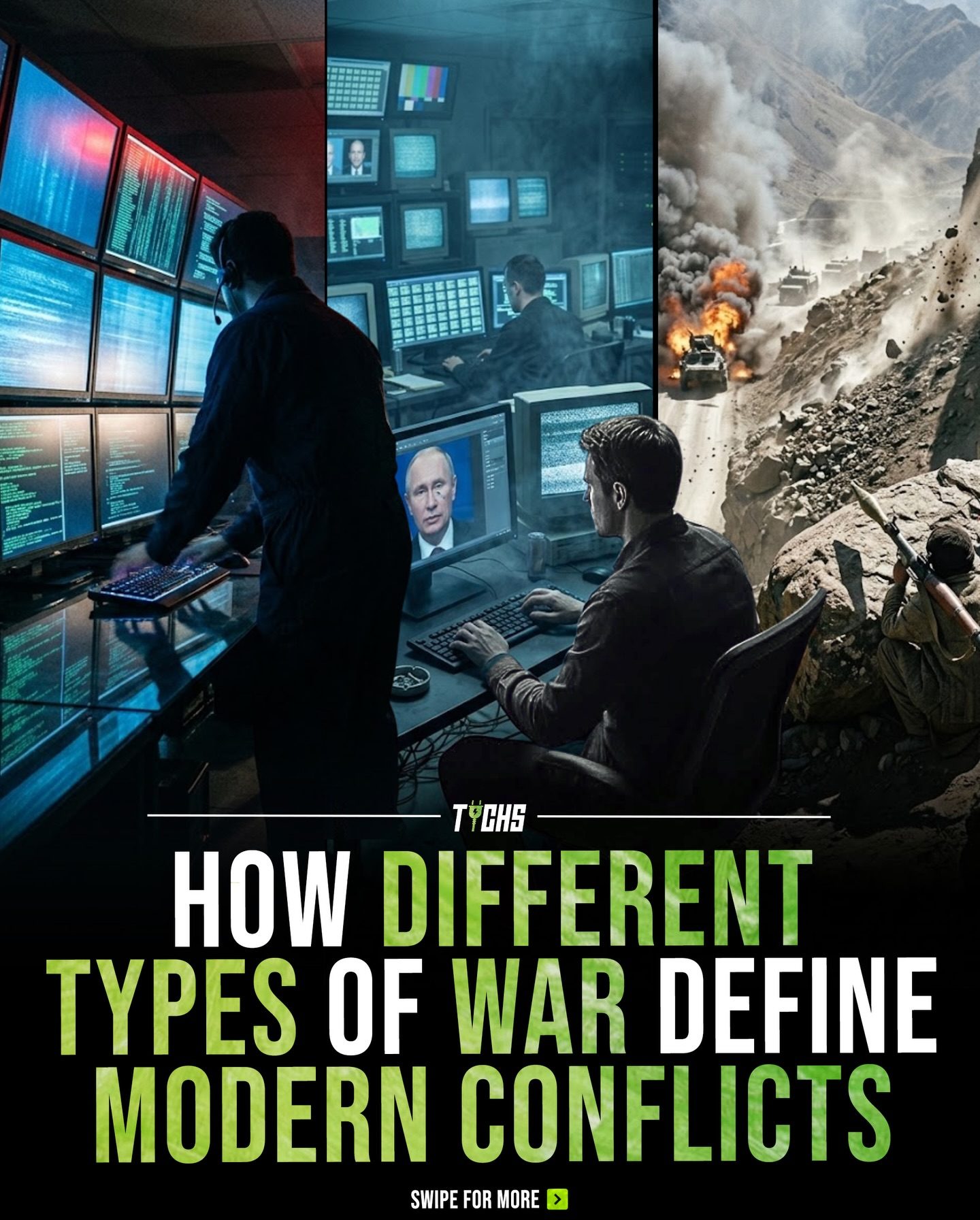
Modern conflicts are complex and multifaceted, shaped by various types of warfare that define how nations and groups engage in combat. These conflicts span the globe and encompass a range of tactics and technologies, from conventional military force to digital disruption, and economic pressure. Understanding the different types of warfare is crucial for grasping the dynamics of contemporary geopolitics.
The Evolution of Warfare
Warfare has evolved significantly over time, transitioning from simple skirmishes to highly sophisticated conflicts that involve multiple dimensions. The traditional forms of warfare, such as conventional and civil wars, have expanded to include proxy wars, guerrilla tactics, and hybrid strategies. This evolution is driven by advancements in technology, changes in military strategies, and the growing influence of digital and information warfare.
Conventional Wars
Conventional wars are the most straightforward form of warfare, involving direct military conflict between nations. These wars typically follow agreed-upon rules of engagement and utilize traditional military forces. Examples of recent conventional wars include the Russia–Ukraine war, which has seen intense combat and significant territorial disputes. Such wars often involve large-scale deployments of troops, tanks, and aircraft, with the goal of securing physical territory and achieving military objectives.
Civil Wars
Civil wars, on the other hand, occur within a single country and involve factions fighting each other for control. The American Civil War is a classic example, where the Union and Confederacy clashed over issues like states' rights and slavery. Civil wars are characterized by internal strife and can have profound impacts on the social, economic, and political fabric of a nation. These conflicts often result in widespread destruction and loss of life, as well as significant humanitarian crises.
Proxy Wars
Proxy wars are conflicts in which major powers fight indirectly by supporting local states, militias, or armed groups. This support can come in the form of weapons, money, or training. The Syrian Civil War is a notable example, where various international powers have backed different factions to achieve their geopolitical goals. Proxy wars are often driven by broader geopolitical interests and can lead to prolonged and complex conflicts, as seen in the Syrian Civil War, where multiple nations have intervened on different sides.
Characteristics of Proxy Wars
Proxy wars are characterized by their indirect nature. Major powers avoid direct confrontation by using local proxies to fight their battles. This strategy allows them to influence the outcome of a conflict without risking a full-scale engagement. By providing support to local groups, these powers can shape the conflict to their advantage, often leading to prolonged instability and suffering for the local population.
Cyber Warfare
Cyber warfare is a modern phenomenon that targets digital systems instead of physical territory. This type of warfare involves attacks on critical infrastructure, including government networks, electricity grids, banks, and communication systems. The 2015 Ukraine power grid attack is a well-known example, where hackers targeted the electrical grid, causing widespread power outages. Cyber warfare leverages the interconnectedness of modern societies to disrupt essential services and create chaos.
Impact of Cyber Warfare
The impact of cyber warfare can be devastating. Attacks on critical infrastructure can paralyze a nation, causing economic disruption and social unrest. Unlike traditional warfare, cyber attacks can be launched from anywhere in the world, making them difficult to trace and defend against. This makes cyber warfare a powerful tool in the arsenal of modern conflicts, allowing nations to strike their opponents without leaving a physical footprint.
Hybrid and Information Warfare
Hybrid and information warfare represent the latest evolution in conflict strategies. These tactics combine elements of conventional, cyber, and psychological warfare to achieve strategic goals. The Annexation of Crimea is an example of hybrid warfare, where Russia employed a mix of military force, diplomatic pressure, and information operations to gain control of the territory. Information warfare involves the use of propaganda, misinformation, and social media to influence public opinion and undermine opponents.
Key Takeaways
- Wars are defined by technology, tactics, and strategy, evolving from traditional to hybrid and digital warfare.
- Major powers use proxy wars to fight through local groups, influencing conflicts without direct engagement.
- Cyber warfare targets digital infrastructure, creating chaos without physical attacks.
- Hybrid and information warfare combine traditional and modern tactics to achieve strategic goals.
Practical Tips for Understanding Modern Warfare
To better understand modern warfare, it is essential to stay informed about current geopolitical events and technological advancements. Here are some practical tips:
Stay Updated
Follow reliable news sources and geopolitical analysis to stay updated on the latest developments in global conflicts. Websites, newspapers, and news channels that provide in-depth reporting can offer valuable insights into the evolving nature of warfare.
Study Historical Conflicts
Examining historical conflicts can provide a deeper understanding of the strategies and tactics used in modern warfare. Books, documentaries, and academic papers on wars like the American Civil War and the Soviet-Afghan War can offer valuable context.
Explore Technological Advancements
Understanding the role of technology in modern warfare is crucial. Researching advancements in military technology, cybersecurity, and digital communications can help shed light on how these tools are used in contemporary conflicts.
Analyze Geopolitical Dynamics
Recognizing the geopolitical dynamics at play in modern conflicts can provide a broader perspective. Analyzing the motivations and strategies of different nations can help understand the complexities of proxy wars and hybrid warfare.
Engage in Discussions
Participating in discussions and forums focused on geopolitics and military strategy can offer diverse perspectives and insights. Joining online communities, attending conferences, or participating in academic seminars can enhance your understanding of modern warfare.
Important Takeaways
Understanding the different types of warfare is essential for navigating the complex landscape of modern conflicts. From conventional and civil wars to proxy and cyber warfare, each type of conflict presents unique challenges and dynamics. By staying informed, studying historical conflicts, and analyzing geopolitical dynamics, one can gain a comprehensive understanding of how nations and groups engage in combat today.
In conclusion, modern conflicts are defined by a variety of warfare tactics, each shaped by technology, strategy, and influence. Recognizing the different dimensions of warfare is crucial for making sense of the complexities of geopolitics. Whether through direct military engagement or indirect support, these conflicts shape the world we live in, requiring us to stay informed and adapt to the evolving nature of warfare.
Questions readers ask
What are the main types of modern warfare?
Modern warfare comprises several types, including conventional warfare, civil wars, proxy wars, and hybrid conflicts. Each type employs different strategies and tools, from traditional military force to more unconventional methods like guerrilla tactics and digital disruption.
How has technology influenced the evolution of military conflicts?
Technology has significantly transformed modern warfare by introducing new tactics and tools. Cyber warfare, for example, allows nations to disrupt enemy communications and infrastructure without engaging in traditional combat. Drones and advanced weaponry also offer new ways to conduct military operations.
What is the role of economic pressure in modern conflicts?
Economic pressure is a crucial tactic in modern warfare, used to undermine an opponent's financial stability and public support. This can include sanctions, trade embargoes, and financial interventions aimed at weakening the enemy's economy and ability to sustain military efforts.
Can you provide examples of digital disruption in warfare?
Digital disruption in warfare involves the use of cyberattacks to disable or compromise enemy systems. Examples include the Stuxnet worm, which targeted Iran's nuclear facilities, and the 2015 cyberattack on Ukraine's power grid, which left thousands without electricity. These incidents highlight the potential impact of cyber warfare.
What are proxy wars and how are they used in modern times?
Proxy wars occur when a major power supports and arm a smaller group, or another country, to fight on their behalf. In modern times, proxy wars are often used to achieve geopolitical goals without direct involvement. These conflicts can involve both conventional and unconventional tactics, making them complex and multifaceted.
How do civil wars differ from other types of modern conflicts?
Civil wars involve internal fighting within a country, often between different political factions, ethnic groups, or ideologies. Unlike international conflicts, civil wars can be more unpredictable and brutal, with blurred lines between combatants and civilians. They often require unique strategies to address the underlying social and political issues.
Why is understanding modern warfare strategies important for navigating today's geopolitical landscape?
Understanding modern warfare strategies is essential for comprehending the dynamics of contemporary geopolitics. It helps policymakers, analysts, and the general public make sense of global events, anticipate potential conflicts, and develop effective responses to ongoing and emerging threats. This knowledge is crucial for promoting stability and peace.
Recent articles
Fresh deep dives from the latest Reels we unpacked.




Comments
Be the first to comment.