Vintage Ice Cube Trays: A Look at the Frigidaire Quickcube and Its Legacy
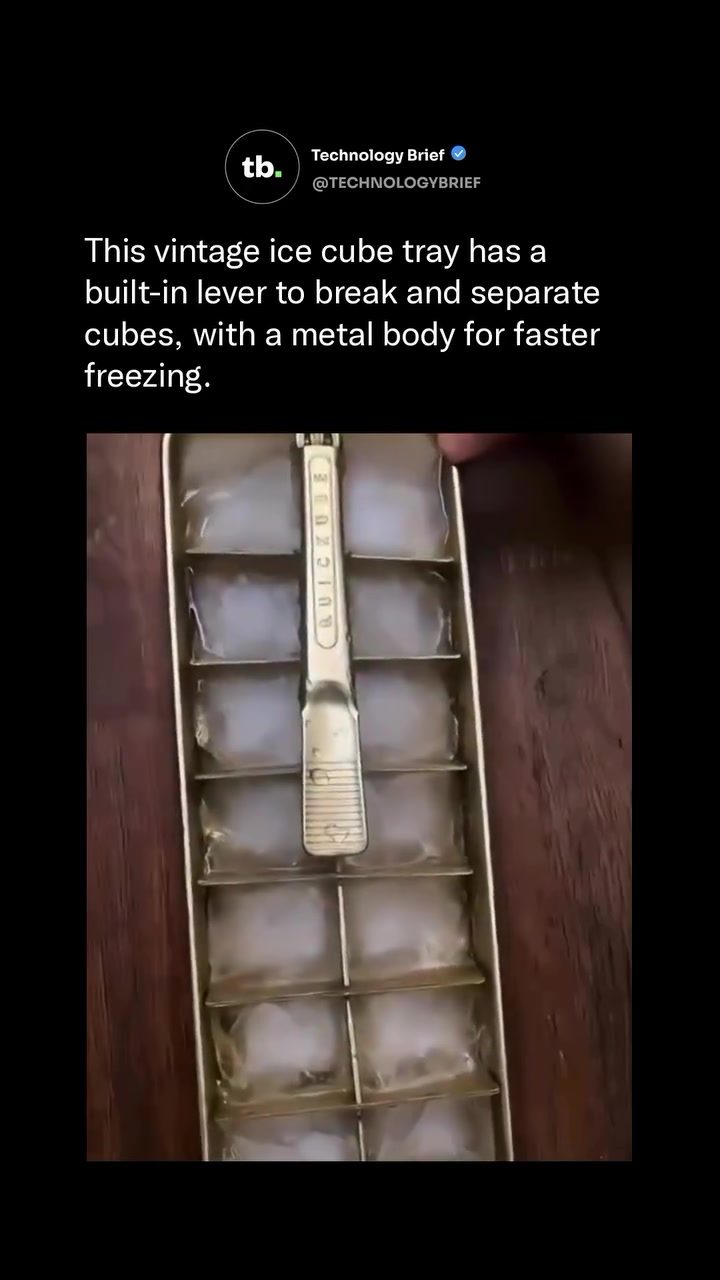
Vintage ice cube trays, particularly the Frigidaire Quickcube, offer a glimpse into the evolution of kitchen gadgets and the enduring appeal of well-designed tools. These trays, made from aluminum, feature a built-in lever that allows users to crack and release all ice cubes simultaneously. This innovative design, patented by GE engineer Edward H. Roberts in 1949, revolutionized the way ice was made and used in kitchens across the country.
Why This Matters
The Frigidaire Quickcube is more than just a nostalgic relic; it represents a significant advancement in kitchen technology. The shift from plastic or silicone trays to aluminum ones marked a new era in freezing efficiency. Aluminum conducts cold far more efficiently than plastic or silicone, resulting in faster freezing times. This feature, along with the durable metal body, makes vintage aluminum trays a reliable choice for those who value both functionality and longevity.
The History and Design of the Frigidaire Quickcube
The Invention and Patent
The Frigidaire Quickcube's design was patented by Edward H. Roberts, a GE engineer, in 1949, and the patent was granted in 1952. This invention is notable for its innovative lever mechanism, which allows all ice cubes to be released with a single pull. The design's simplicity and effectiveness quickly earned it a place in many kitchens during the mid-20th century.
Material and Construction
Aluminum, the primary material used in the Frigidaire Quickcube, is a key factor in its enduring popularity. Not only does aluminum conduct cold more efficiently than plastic or silicone, but it also holds its shape and strength over decades of use. This durability is one reason why so many of these trays are still in working condition today.
The Lever Mechanism
The built-in lever is a standout feature of the Frigidaire Quickcube. This mechanism allows users to break and separate the ice cubes with ease, eliminating the need for manual ice cracking. This innovation significantly reduced the effort required to prepare ice, making the tray a practical choice for both home and commercial use.
The Transition to Plastic Trays
By the 1970s, flexible plastic trays began to dominate the market, leading to a decline in the popularity of aluminum trays like the Frigidaire Quickcube. Plastic trays offered new advantages, such as flexibility and lower production costs, making them more accessible to consumers. Despite this shift, vintage aluminum trays maintained a dedicated following among collectors and enthusiasts.
The Collector's Market
Today, vintage Frigidaire Quickcube trays have a strong collector following. These trays are often sold on resale platforms for prices ranging from $10 to $40. Their durability, functionality, and historical significance make them valuable additions to any collection of vintage kitchenware. Collectors and enthusiasts appreciate not only the trays' practical benefits but also their role in the history of kitchen innovation.
Practical Tips for Using and Maintaining Vintage Ice Cube Trays
Cleaning and Maintenance
To ensure the longevity of your vintage ice cube tray, follow these cleaning and maintenance tips:
- Regular Cleaning: Clean the tray thoroughly after each use to remove any residue or buildup.
- Drying: Allow the tray to dry completely before storing it to prevent rust or mold.
- Storage: Store the tray in a cool, dry place to maintain its integrity.
Usage Tips
- Filling the Tray: Fill the tray with cold water to speed up the freezing process.
- Handling the Lever: Use the lever gently to avoid damaging the mechanism.
Important Takeaways
Durability and Efficiency
Vintage aluminum ice cube trays, like the Frigidaire Quickcube, are known for their durability and efficiency. Their metal bodies make them sturdy and long-lasting, while their aluminum construction ensures faster freezing times compared to plastic or silicone trays.
The Lever Mechanism
The built-in lever mechanism is a standout feature that makes these trays user-friendly and efficient. It simplifies the process of breaking and separating ice cubes, making it easier to prepare ice for drinks or other uses.
Conclusion
The Frigidaire Quickcube is a testament to the innovation and functionality of vintage kitchen gadgets. Its aluminum construction, built-in lever, and historical significance make it a valuable addition to any kitchen or collection. For those who appreciate the timeless design and efficiency of vintage items, the Frigidaire Quickcube is a must-have. Whether you're a collector or simply enjoy using well-designed tools, this classic ice cube tray offers a unique blend of form and function that stands the test of time.
Questions readers ask
Why is the Frigidaire Quickcube Ice Cube Tray considered a significant innovation in kitchen history?
The Frigidaire Quickcube, patented in 1949, brought a groundbreaking change to kitchen appliances. Its aluminum construction and built-in lever for easy ice release marked a departure from traditional ice cube trays, making it simpler to freeze and remove ice. This made it a pioneering tool in home ice-making.
What are the key features that make the Frigidaire Quickcube stand out?
The Frigidaire Quickcube is distinctive for its aluminum design, which allows for efficient freezing. Additionally, its built-in lever mechanism enables users to release all ice cubes at once, saving time and effort. Its durability and effective design have kept it relevant and popular over the decades.
How does an aluminum ice cube tray like the Frigidaire Quickcube differ from plastic or silicone trays?
Aluminum ice cube trays, such as the Frigidaire Quickcube, conduct cold far more efficiently than plastic or silicone. This means they freeze ice faster and more evenly. Additionally, the metal construction is incredibly durable, ensuring long-lasting use and resistance to wear and tear.
Who invented the Frigidaire Quickcube Tray, and when was it patented?
The Frigidaire Quickcube Tray was invented by GE engineer Edward H. Roberts. The design was patented in 1949, marking a significant advancement in kitchen technology. Roberts’ innovative design revolutionized home ice making with its efficient freezing and durable construction.
Can I still use the Frigidaire Quickcube Ice Cube Tray today?
Yes, the Frigidaire Quickcube can still be used today. Its durable metal construction and efficient freezing capabilities make it a reliable and timeless kitchen tool. Additionally, many vintage enthusiasts appreciate the nostalgic appeal of using such a historic ice cube tray.
Recent articles
Fresh deep dives from the latest Reels we unpacked.




Comments
Be the first to comment.