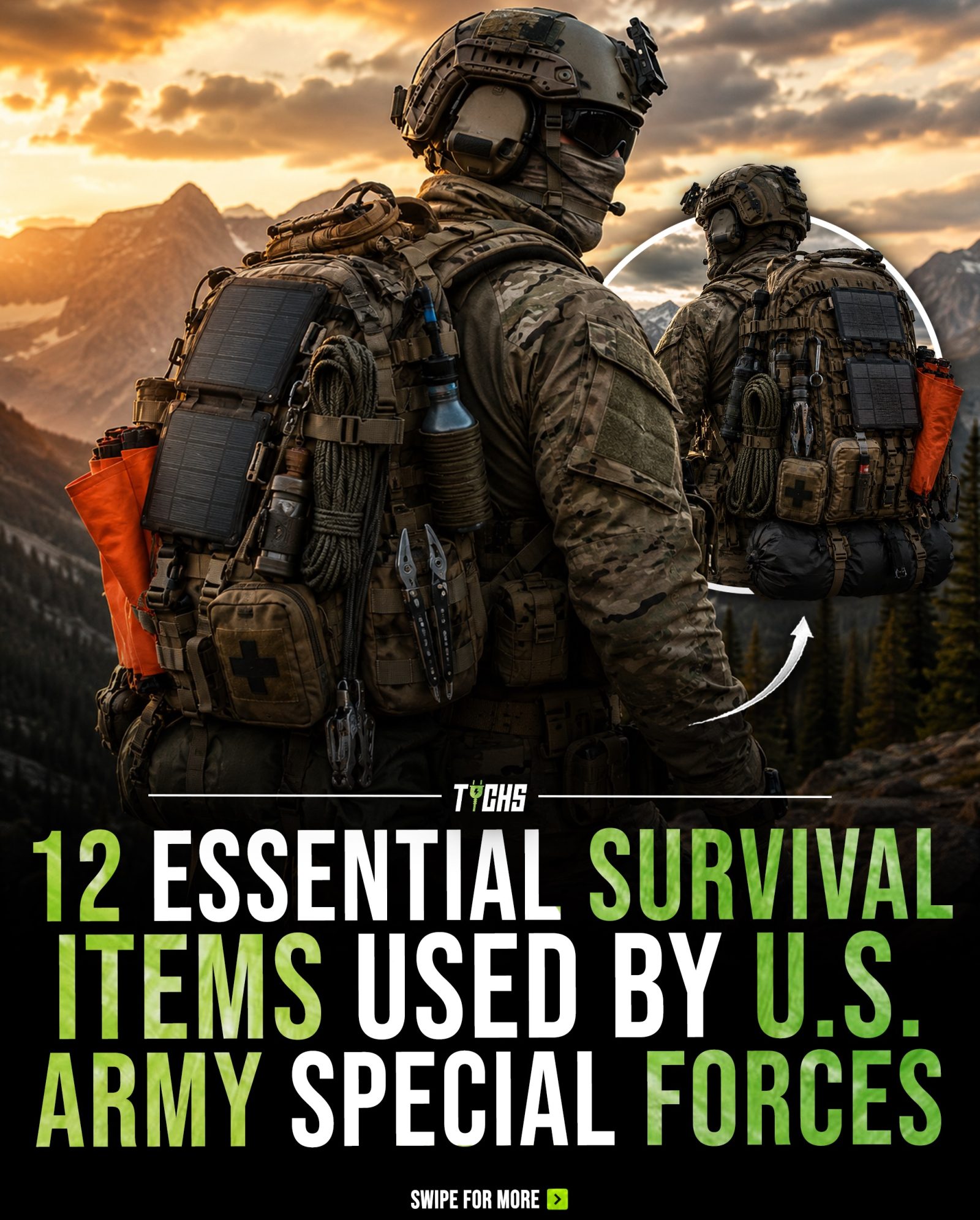
Survival Gear for Extreme Environments: Lessons from U.S. Army Green Berets
Survival gear is not just about having the right tools; it's about knowing how to use them effectively in any situation. The U.S. Army Green Berets are experts in this field, relying on carefully selected gear to stay prepared in harsh and unpredictable environments. This gear helps them stay mobile, self-sufficient, and ready to operate in remote areas with limited support.
Context / Why this matters
In survival situations, every piece of gear serves a specific purpose. Green Berets understand that carrying more equipment doesn't necessarily mean better preparedness. Instead, they focus on carrying the right tools and knowing how to use them. This approach ensures that they can handle any situation efficiently.
Main discussion
Essential Survival Items
1. Water Filters
Water is one of the most critical resources in survival situations. A reliable water filter is essential for staying hydrated in environments where clean water sources are scarce. Green Berets use high-quality filters that can remove bacteria and impurities, making contaminated water safe to drink.
2. Woobies
A woobie, or poncho liner, is a versatile piece of gear that provides warmth and comfort in cold environments. It can be used as a blanket, a makeshift shelter, or even as a ground cover to insulate from the cold. Its lightweight and compact design make it easy to carry, making it a staple in survival kits.
3. Medical Kits
Injuries can happen at any time, and having a well-stocked medical kit is crucial. Green Berets carry comprehensive medical kits that include bandages, antiseptics, pain relievers, and other essentials. These kits enable them to treat injuries promptly and effectively, which can be life-saving in remote areas.
4. Fire Starters
Fire is one of the most important elements in survival scenarios. It provides warmth, cooks food, purifies water, and signals for help. Green Berets use reliable fire starters that can ignite a fire even in wet conditions. Common fire starters include ferro rods, waterproof matches, and lighters.
5. 550 Cord
The 550 cord, also known as parachute cord, is an incredibly versatile tool. It can be used for various purposes, such as securing gear, creating shelters, making repairs, and even as a makeshift tourniquet. Its high tensile strength and durability make it an essential item in any survival kit.
6. Multi-Tools
A good multi-tool is indispensable in survival situations. These compact tools typically include a knife, pliers, screwdrivers, and other essentials. Green Berets use multi-tools for a wide range of tasks, from repairing gear to preparing food.
7. Signaling Equipment
In remote environments, the ability to signal for help can be crucial. Green Berets carry signaling equipment such as flares, whistles, and mirrors. These tools help them attract attention and communicate with rescue teams, increasing their chances of being found quickly.
Gear Selection and Usage
Selecting the right gear is just the first step. Knowing how to use it effectively is equally important. Green Berets undergo rigorous training to master the use of their survival gear. They learn how to set up shelters, start fires, purify water, and signal for help under various conditions. This expertise allows them to stay calm and resourceful, even in the most challenging situations.
1. Training and Practice
Regular training and practice are essential for mastering survival skills. Green Berets participate in mock survival scenarios to test their gear and techniques. These exercises help them stay sharp and ready to handle real-life situations.
2. Adaptability
Survival situations often require adaptability. Green Berets learn to improvise and make do with limited resources. They use their gear creatively and think outside the box to solve problems and overcome challenges.
3. Maintenance and Care
Proper maintenance and care of survival gear are crucial for ensuring it works when needed. Green Berets regularly inspect and maintain their gear to keep it in top condition. This includes cleaning, repairing, and storing equipment correctly.
Practical Tips
When preparing your own survival kit, consider the following tips:
1. Assess Your Needs
Evaluate the environments you are likely to encounter and tailor your gear to those conditions. For example, if you plan to spend time in cold weather, include items like a woobie and a reliable fire starter.
2. Choose Quality Over Quantity
Invest in high-quality gear that is durable and reliable. While it might be tempting to stock up on cheaper items, quality gear will perform better and last longer.
3. Learn to Use Your Gear
Familiarize yourself with how to use each piece of gear effectively. Practice setting up equipment, starting fires, and performing other essential tasks to ensure you are comfortable with the tools.
4. Stay Organized
Keep your survival kit organized and easily accessible. Use compartments and pouches to keep items in place and prevent them from getting lost or damaged.
5. Update Regularly
Regularly update your survival kit to replace expired items and add new essentials. Check all items periodically to ensure they are in good working order.
Important Takeaways
- Survival gear is about having the right tools and knowing how to use them.
- Essential items include water filters, woobies, medical kits, fire starters, 550 cord, multi-tools, and signaling equipment.
- Regular training and practice are crucial for mastering survival skills.
- Adaptability and improvisation are key in survival situations.
- Proper maintenance ensures gear works when needed.
Conclusion
Survival gear is a vital component of preparedness, especially in harsh and unpredictable environments. By learning from the U.S. Army Green Berets, we can understand the importance of selecting the right tools, knowing how to use them, and staying adaptable in any situation. Whether you're an outdoor enthusiast or preparing for emergency scenarios, having the right survival gear and the skills to use it can make all the difference.
Questions readers ask
What is a 'woobie' and why is it essential for Green Berets?
A 'woobie' is a lightweight, versatile blanket designed for survival situations. Green Berets use it for warmth, shelter, and even as a makeshift ground cover. Its compact size and durability make it an indispensable part of their gear.
How do Green Berets ensure their water is safe to drink in remote areas?
Green Berets rely on military-grade water filters and purification tablets. These tools are compact, effective, and specifically designed to remove bacteria and other contaminants, making them crucial to survival in remote locations.
What kind of medical supplies do Green Berets carry?
Green Berets carry comprehensive medical kits tailored for remote and harsh environments. These kits include bandages, antiseptics, pain relievers, and tools for treating wounds, fractures, and other injuries. They also carry supplies to manage medical emergencies until professional help is available.
What makes a fire starter essential in a survival scenario?
A reliable fire starter is vital for creating warmth, cooking food, purifying water, and signaling for help. Green Berets use fire starters that are compact, waterproof, and capable of igniting in various weather conditions. Some commonly used options include ferrocerium rods and waterproof matches.
How do Green Berets ensure their survival gear remains functional in harsh conditions?
Green Berets prioritize gear that is durable, lightweight, and designed to withstand tough conditions. They also regularly inspect, maintain, and test their equipment to ensure reliability. Knowing how to use and repair gear in the field is an essential skill for any survival situation.
Why do Green Berets focus on mobility and self-sufficiency in survival scenarios?
Mobility ensures Green Berets can quickly respond to changing situations, while self-sufficiency allows them to operate in remote areas with limited support. By carrying only essential and versatile gear, they reduce the weight they must carry, allowing them to move faster and more efficiently.
What are some basic survival techniques used by Green Berets?
Green Berets employ a range of techniques such as navigating without a map, finding and purifying water, building shelters, and using natural resources for survival. They also focus on maintaining physical and mental resilience, which is crucial for enduring harsh conditions and making critical decisions.
Recent articles
Fresh deep dives from the latest Reels we unpacked.




Comments
Be the first to comment.