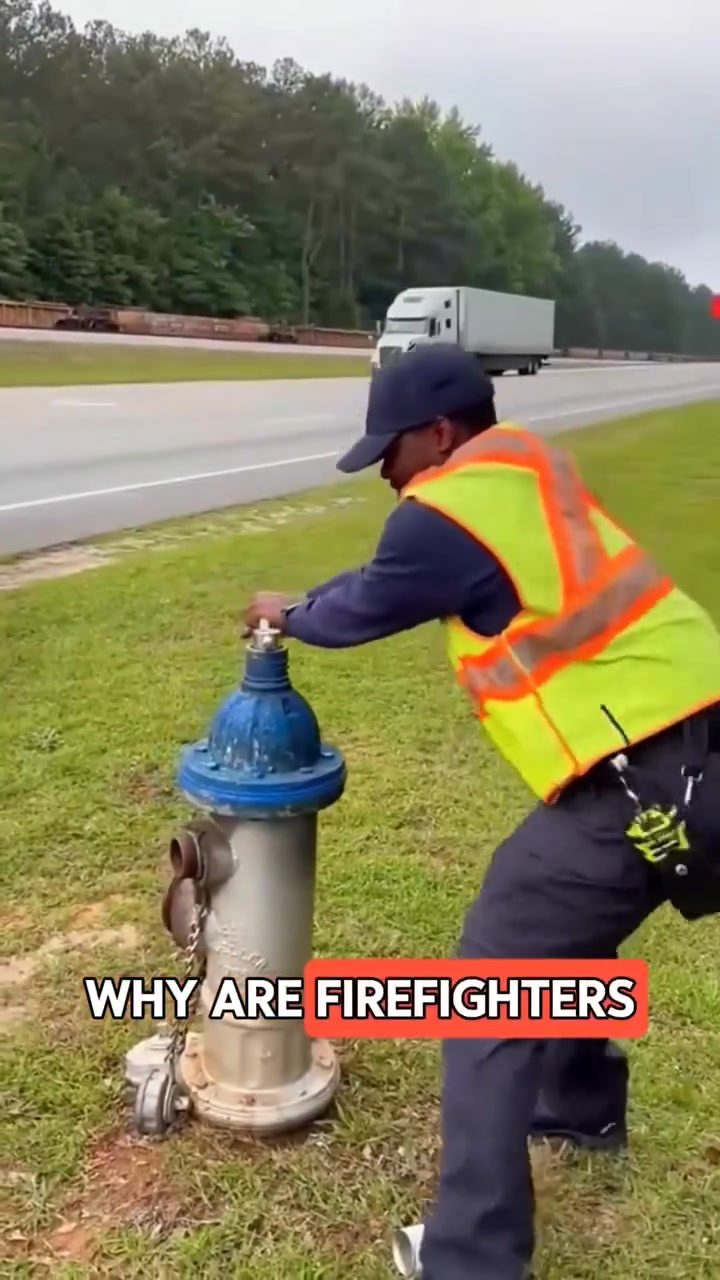
Fire Hydrant Maintenance: Why and How Firefighters Open Them
Fire hydrants are a common sight on city streets, but have you ever wondered why firefighters open them even when there's no fire? This practice, known as fire hydrant flushing, is a crucial part of maintaining the city's water supply system.
Context / Why This Matters
Fire hydrants serve a critical function in fire safety, providing a reliable water source for firefighters to combat blazes. However, their effectiveness relies on regular maintenance. Opening fire hydrants is not a waste of water but a necessary procedure to ensure the system operates correctly when needed.
Main Discussion
The Purpose of Fire Hydrant Flushing
Fire hydrant flushing involves opening the hydrant and allowing water to flow at high speed through the pipes. This process serves multiple purposes:
1. Cleaning Water Mains Over time, water mains can accumulate rust, sand, sediment, and other debris. Flushing helps remove these contaminants, keeping the firefighting water supply clean and ready for use.
2. Preventing Blockages Regular flushing prevents blockages in the system. Blocked pipes can hinder water flow during a fire, making it difficult for firefighters to extinguish the flames effectively.
3. Testing Water Pressure and Valves Flushing also serves as a water pressure test. It allows crews to verify that the water pressure is strong enough and that the hydrant valves are working properly. This is crucial because a hidden problem, such as low water pressure or a faulty valve, might only be discovered during an actual fire when every second counts.
The Process of Fire Hydrant Flushing
Firefighters follow a systematic approach to flush hydrants effectively:
1. Preparation Before opening the hydrant, firefighters will check the area and ensure it is safe to proceed. They will also alert local residents and businesses to expect a temporary disruption in water service.
2. Opening the Hydrant Firefighters use specialized tools to open the hydrant valve. They must be cautious to avoid injury from the high-pressure water and debris that may be ejected.
3. Flushing the System Water is allowed to flow at high speed through the pipes for a set period. This flushes out any accumulated debris and tests the water pressure and valve function.
4. Closing the Hydrant Once the flushing is complete, firefighters carefully close the hydrant valve. They will then inspect the area for any remaining debris or potential hazards.
5. Post-Flushing Inspection After flushing, firefighters conduct a thorough inspection of the hydrant and surrounding pipes to ensure everything is in working order. They will document any issues for follow-up maintenance.
Safety Precautions During Fire Hydrant Flushing
Safety is paramount during fire hydrant flushing. Here are some key precautions:
1. Protective Gear Firefighters wear protective gear, including gloves, helmets, and goggles, to shield themselves from flying debris and high-pressure water.
2. Traffic Control Firefighters set up traffic cones and other barriers to redirect traffic and keep pedestrians away from the flushing area.
3. Public Notification Local residents and businesses are notified in advance to minimize inconvenience and ensure everyone is aware of the temporary disruption.
Potential Dangers of Ignoring Fire Hydrant Maintenance
Neglecting routine flushing and testing can lead to several issues:
1. Low Water Pressure Without regular flushing, sediment and debris can build up, reducing water pressure. Low water pressure can make it difficult for firefighters to extinguish fires effectively.
2. Faulty Valves Hydrant valves can become faulty over time if not maintained. A faulty valve can cause delays or prevent firefighters from accessing water during an emergency.
3. Blockages Blockages in the pipes can severely impede water flow, making it challenging for firefighters to combat fires. Regular flushing helps prevent these blockages.
4. Water Contamination Rust and sediment can contaminate the water supply, posing health risks and compromising the reliability of the water source for firefighting.
Practical Tips
1. Report Leaks and Issues If you notice any leaks or issues with fire hydrants in your area, report them to your local fire department or municipal authorities immediately. Early intervention can prevent more significant problems.
2. Stay Informed Keep yourself informed about scheduled fire hydrant flushing in your neighborhood. This way, you can plan accordingly and avoid any inconvenience.
3. Understand the Importance Recognize the importance of fire hydrant maintenance. It is a vital part of ensuring your community's safety and preparedness for emergencies.
Important Takeaways
Fire hydrant flushing is a crucial maintenance procedure that ensures the reliability of the firefighting water supply. It keeps water mains clean, prevents blockages, tests water pressure and valves, and safeguards against potential hazards. Regular maintenance is essential for the safety and well-being of the community, and understanding this process is valuable for anyone living in an urban area.
Conclusion
Opening fire hydrants is not a wasteful or unnecessary action but a vital part of fire safety maintenance. By understanding the importance of fire hydrant flushing, we can appreciate the efforts of firefighters and the municipal authorities who work to keep our communities safe. Regular flushing and testing ensure that the firefighting water supply is always ready when needed, providing a reliable and effective response to emergencies.
Questions readers ask
How often should fire hydrants be flushed?
The frequency of fire hydrant flushing varies by location but typically occurs annually, with some municipalities performing it more often. This routine keeps water mains clean and ensures hydrants work when needed.
What happens during the fire hydrant flushing process?
During fire hydrant flushing, firefighters open the hydrant and allow water to flow at high velocity, this helps to remove sediment and debris, test water pressure, and assess the functionality of the valve and the overall water supply system.
Why is flushing fire hydrants important for firefighter safety?
Flushing fire hydrants helps firefighters ensure a consistent water supply is available. This regular maintenance prevents blockages that could hinder water flow and reduces the time needed to access water, allowing firefighters to focus on extinguishing fires.
What should residents expect during fire hydrant flushing?
Residents may notice discolored water or brief drops in water pressure during fire hydrant flushing. It is recommended to avoid using water for tasks that require clean water, such as laundry or dishes, until the water runs clear again.
What precautions should be taken during fire hydrant flushing?
Residents should avoid parking near hydrants being flushed, as it could be necessary to move the vehicle. Additionally, keep children and pets away from the area, as the high-pressure water flow can be dangerous.
Recent articles
Fresh deep dives from the latest Reels we unpacked.




Comments
Be the first to comment.