Research Methodology for Market Entry of an Energy Drink Brand in the US
Diving into a new market, especially one as competitive as the energy drink sector in the United States, requires a well-structured and thorough approach. This involves understanding the market landscape, competitor dynamics, and regulatory environment. Here, we'll delve into the research methodology used to develop a go-to-market strategy for an energy drink brand based in India, with a focus on the tools and techniques that made this process both efficient and comprehensive.
Why This Matters
For any brand looking to expand into the US market, a solid go-to-market strategy is crucial. This strategy helps in understanding the market size, identifying key competitors, and assessing consumer preferences. The tools and methods used in this research can be adapted for various industries and products, making it a valuable resource for anyone looking to enter the US market.
The Tools and Techniques
Free Tools: The Backbone of the Research
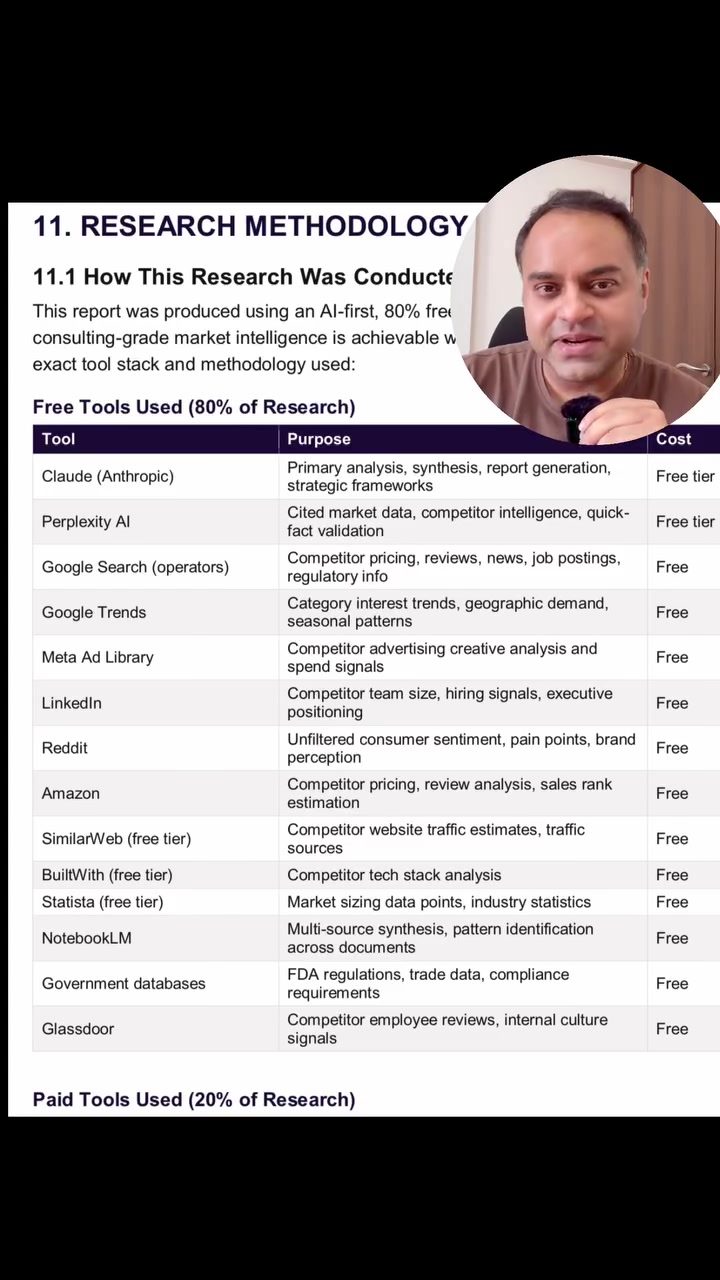
The research utilized a mix of free and paid tools, with 80% of the work relying on free resources. Here are some of the key tools and their applications:
Claude by Antropic
Claude by Antropic was the primary tool used for synthesis, report generation, and strategic frameworks. This AI tool helped in creating a comprehensive outline for the research, ensuring that all critical aspects were covered. Claude's ability to synthesize information made it an invaluable asset in generating strategic insights and actionable reports.
Perplexity AI
Perplexity AI was used to extract cited market data. This tool provides links along with search results, making it easier to verify information and gather credible data. The top 10-15 links from Perplexity were further analyzed to extract the desired information, which was then uploaded to a notebook for future reference.
Google Search and Google Trends
Google Search remains a powerful tool for understanding competitor pricing and reviews. By using specific search queries like "competitor name plus pricing" or "competitor name plus reviews," valuable insights can be gained. Google Trends was used to understand category interest trends and seasonal patterns, helping to forecast market demand and identify peak periods.
Social Media and Forums
Social media platforms like LinkedIn, Reddit, and Amazon provided a wealth of information:
- LinkedIn: Helped in understanding the team size, hiring signals, and executive positioning of the brand.
- Reddit: Provided overall sentiment analysis around the category and major competitors, highlighting pain points and brand perceptions.
- Amazon: Offered insights into competitor pricing and best-selling SKUs, helping to identify market leaders and potential gaps.
Traffic and Tech Stack Analysis
Similarly, tools like SimilarWeb and BuiltWith were used to understand competitor traffic estimates, sources, and tech stacks. This information is crucial for understanding how competitors are performing and what technologies they are using.
The Role of Paid Tools
While 80% of the research relied on free tools, the remaining 20% utilized paid resources. These paid tools, though not explicitly listed, likely included more advanced analytics and data visualization software, which provided deeper insights and more precise data points.
Market Sizing and Regulation
Statista was used to understand the market size and growth projections in the US. This information is vital for planning market entry and forecasting potential revenue. Government databases were consulted to understand regulations and compliances, ensuring that the brand met all legal requirements.
NotebookLM and Organization
NotebookLM played a crucial role in organizing all the information gathered. It helped in pattern identification and ensured that all important links and PDFs were part of a single notebook. This made the data easily accessible and usable for future marketing and communication strategies.
Employee Reviews and Organizational Structure
Glassdoor was used to understand competitor employee reviews and organizational structure. This information is valuable for understanding the internal dynamics of competitors and identifying potential strengths and weaknesses.
Practical Tips for Conducting Market Research
Leveraging AI Tools
AI tools like Claude and Perplexity AI can significantly speed up the research process. They help in synthesizing large amounts of data and generating strategic frameworks, making the research process more efficient.
Utilizing Social Media Insights
Social media platforms are a treasure trove of information. By analyzing sentiment and trends on platforms like LinkedIn and Reddit, you can gain a deeper understanding of consumer perceptions and market dynamics.
Organizing Research Data
Using a tool like NotebookLM to organize all the research data can save time and make the information more accessible. This ensures that all important links and documents are readily available for future reference.
Important Takeaways
Comprehensive Approach
A comprehensive approach that combines free and paid tools can provide a holistic view of the market. This approach ensures that all aspects, from market size and competitor dynamics to regulatory compliances, are covered.
Efficiency and Effectiveness
AI tools and organized data management systems can significantly enhance the efficiency and effectiveness of market research. They help in synthesizing large amounts of data and generating actionable insights.
Continuous Monitoring
Market research is an ongoing process. Continuous monitoring of market trends, competitor activities, and consumer sentiments is essential for staying ahead in a competitive market.
Conclusion
Entering the US market, especially for an energy drink brand, requires a well-thought-out and comprehensive research methodology. By leveraging a mix of free and paid tools, and utilizing AI for data synthesis and organization, a detailed go-to-market strategy can be developed. This approach ensures that the brand is well-prepared to navigate the complexities of the US market and achieve its business objectives.
Questions readers ask
What are some effective free tools for market research in the energy drink industry?
There are several free tools available for conducting market research in the energy drink industry. Google Trends can help you understand search volume trends for specific energy drink topics in the US. Social media platforms like Twitter and Instagram provide insights into consumer preferences and trends. Additionally, review sites like Amazon and Yelp offer valuable consumer reviews and ratings.
How can AI tools assist in developing a go-to-market strategy for energy drinks in the US?
AI tools can greatly enhance the efficiency and comprehensiveness of your market research. Tools like Claude by Antropic can synthesize large amounts of data and generate detailed reports, helping you understand consumer preferences and market trends. Perplexity AI can extract relevant data from various sources, making it easier to analyze competitors and identify market opportunities.
What factors should I consider when analyzing the competitive landscape for energy drinks in the US?
Key factors to consider when analyzing the competitive landscape for energy drinks in the US include market share, pricing strategies, product offerings, and consumer perceptions of competitors. Additionally, look at their marketing strategies, distribution channels, and any unique selling propositions that differentiate them from other brands.
How do I understand consumer preferences for energy drinks in the US?
Understanding consumer preferences involves analyzing demographic data, purchasing behavior, and consumer reviews. Surveys and focus groups can provide direct insights into what consumers are looking for in an energy drink. Analyzing social media discussions and online forums can also reveal trends and preferences that consumers actively seek.
What are the key regulatory considerations for entering the US energy drink market?
The US has strict regulations governing the energy drink market, including labeling requirements, ingredient restrictions, and advertising guidelines. Familiarize yourself with the FDA's regulations on energy drinks, and ensure your product complies with all state and federal laws. Consulting with a legal expert in food and beverage regulations can also be beneficial.
How can I use market research to determine the right pricing strategy for my energy drink?
Market research can help you determine the right pricing strategy by analyzing the pricing of competitors, consumer willingness to pay, and the perceived value of your product. Conducting A/B tests with different price points can also provide insights into how price changes affect consumer behavior and sales.
Recent articles
Fresh deep dives from the latest Reels we unpacked.




Comments
Be the first to comment.