Elephant Intelligence and Human Interactions
Elephants stand out as one of the most socially intelligent mammals, capable of forming complex relationships and positive associations with humans. Their remarkable cognitive abilities allow them to recognize individual human voices, remember past interactions, and discern between people who pose a threat and those who do not. This level of intelligence enables elephants to develop trust and exhibit affiliative behaviors toward familiar humans.
Context / Why This Matters
Understanding elephant intelligence and their interactions with humans is crucial for several reasons. Firstly, it highlights the importance of conservation efforts. Elephants are highly social animals with intricate social structures, and their ability to form bonds with humans can be instrumental in creating harmonious coexistence between elephants and human communities. Secondly, recognizing their cognitive capabilities fosters a deeper appreciation for these magnificent creatures, which can translate into more effective conservation strategies and policies.
Main Discussion
Cognitive Abilities of Elephants
Elephants possess a range of cognitive abilities that contribute to their social intelligence. Research indicates that they can distinguish between individual human voices, a skill that highlights their advanced auditory processing. This ability allows them to recognize and respond to specific humans based on past experiences, whether positive or negative. For instance, elephants can remember and react to the voices of people who have treated them kindly versus those who have posed a threat. This memory capacity is a testament to their sophisticated cognitive abilities.
Social Intelligence and Human Interactions
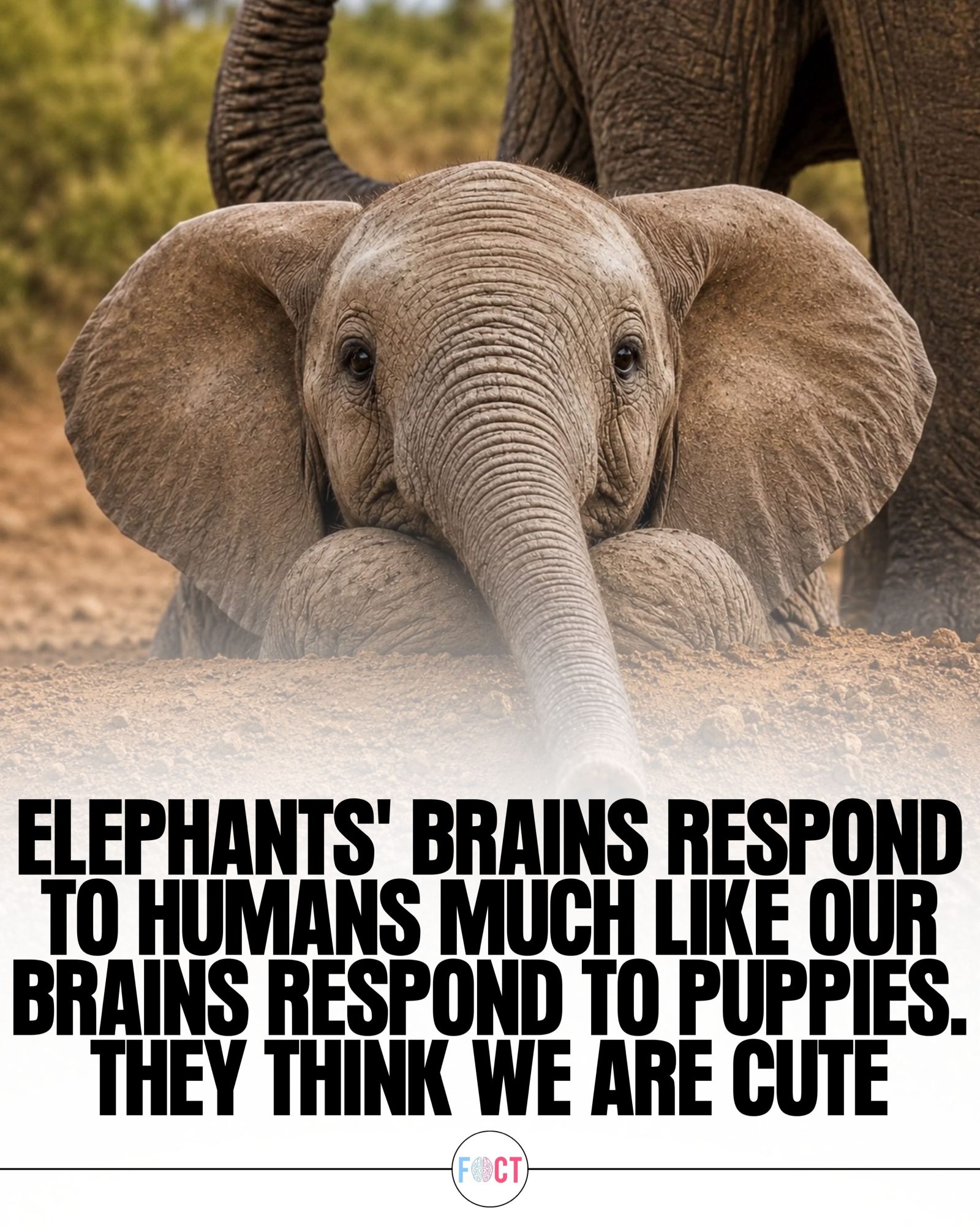
The social intelligence of elephants is not limited to recognizing voices; it extends to their ability to form and maintain social bonds. Elephants can develop positive associations with humans who behave calmly and non-threateningly. This capacity for social bonding is supported by neuroscience research, which suggests that elephants respond to humans much like humans respond to puppies. This means that elephants may perceive humans in a way that triggers positive emotional responses, similar to how humans react to cute and non-threatening animals. While there is no evidence that elephants perceive humans as cute in the way humans do, their positive emotional responses to kind people indicate a level of emotional intelligence that is both fascinating and significant.
Behavioral Adaptations
Elephants' behavioral adaptations also play a crucial role in their interactions with humans. They are known to exhibit affiliative behaviors toward familiar humans, such as seeking out and maintaining proximity to people they trust. This behavior is a result of their advanced social cognition, which allows them to assess the intentions and trustworthiness of individuals. Through these interactions, elephants can develop a sense of security and familiarity, which in turn fosters a positive and trusting relationship.
Practical Tips
Interacting with Elephants
When interacting with elephants, it is essential to behave in a calm and non-threatening manner. This approach helps in building trust and fostering positive associations. Avoid sudden movements or loud noises, as these can startle and stress the elephant. Maintain a respectful distance and observe the elephant's body language to gauge its comfort level. By doing so, you can create a safe and positive environment for both the elephant and yourself.
Conservation and Welfare
Supporting conservation efforts and ensuring the welfare of elephants is crucial. This can be achieved through various means, such as donating to reputable elephant conservation organizations, advocating for policies that protect elephant habitats, and promoting responsible tourism practices. By taking these steps, you contribute to the preservation of these intelligent and socially complex creatures, ensuring their survival for future generations.
Important Takeaways
Elephants' cognitive and social abilities make them one of the most fascinating and intelligent species on the planet. Their ability to form positive associations with humans, recognize individual voices, and distinguish between different people highlights their advanced social cognition. Understanding these capabilities is essential for developing effective conservation strategies and fostering harmonious coexistence between elephants and human communities. By appreciating and supporting the welfare of these magnificent creatures, we can ensure their continued presence on Earth.
Conclusion
Elephant intelligence and their interactions with humans are a testament to the remarkable cognitive and social abilities of these majestic creatures. Their capacity to recognize individual voices, remember past interactions, and exhibit affiliative behaviors toward familiar humans underscores their advanced social cognition. By behaving in a calm and non-threatening manner, we can build trust and foster positive associations with these intelligent mammals. Supporting conservation efforts and promoting responsible interactions are crucial steps in ensuring the welfare and survival of elephants. Through our collective efforts, we can create a future where humans and elephants coexist harmoniously, appreciating and respecting each other's presence.
Questions readers ask
How do elephants recognize individual humans?
Elephants use their advanced cognitive abilities to differentiate between humans. They can recognize individual voices, remember past experiences, and even discern between people who pose a threat and those who are allies. This recognition is often based on repeated interactions and vocal cues, allowing elephants to form bonds with familiar individuals.
Can elephants remember past experiences with humans?
Yes, elephants have remarkable memories and can remember past experiences with humans. This includes both positive and negative interactions. Their ability to recall these experiences helps them determine whether a person is a potential ally or threat, influencing their behavior in subsequent encounters.
What makes elephants intelligent in the context of human interactions?
Elephants demonstrate intelligence in their interactions with humans through their ability to form complex relationships, remember past experiences, and recognize individual voices. Their cognitive prowess enables them to discern between threats and allies, allowing for meaningful, positive bonds to develop with familiar humans.
Do elephants form positive bonds with humans?
Yes, elephants are capable of forming positive bonds with humans. Their cognitive abilities and social nature enable them to develop trust and exhibit affiliative behaviors toward familiar individuals. Positive interactions can lead to lasting relationships, highlighting the depth of their social intelligence.
How do elephants' cognitive abilities influence their interactions with humans?
Elephants' cognitive abilities, such as voice recognition and memory, significantly influence their interactions with humans. These abilities allow them to distinguish between different people, remember past experiences, and form bonds with individuals who pose no threat. This understanding is crucial for promoting positive interactions between elephants and humans.
What role does voice recognition play in elephant-human interactions?
Voice recognition is a key aspect of elephant intelligence that aids in their interactions with humans. Elephants can remember and differentiate individual human voices, which helps them identify familiar and trustworthy individuals. This ability enables them to form positive bonds and respond appropriately to different people.
Why is understanding elephant intelligence important for conservation efforts?
Understanding elephant intelligence is vital for conservation efforts because it highlights the importance of preserving their social structures and behaviors. Recognizing the complexity of their relationships, including those with humans, can inform strategies to protect these remarkable mammals and ensure their continued survival in the wild.
Related deep dives
Similar reads based on topic and creator.




Recent articles
Fresh deep dives from the latest Reels we unpacked.




Comments
Be the first to comment.