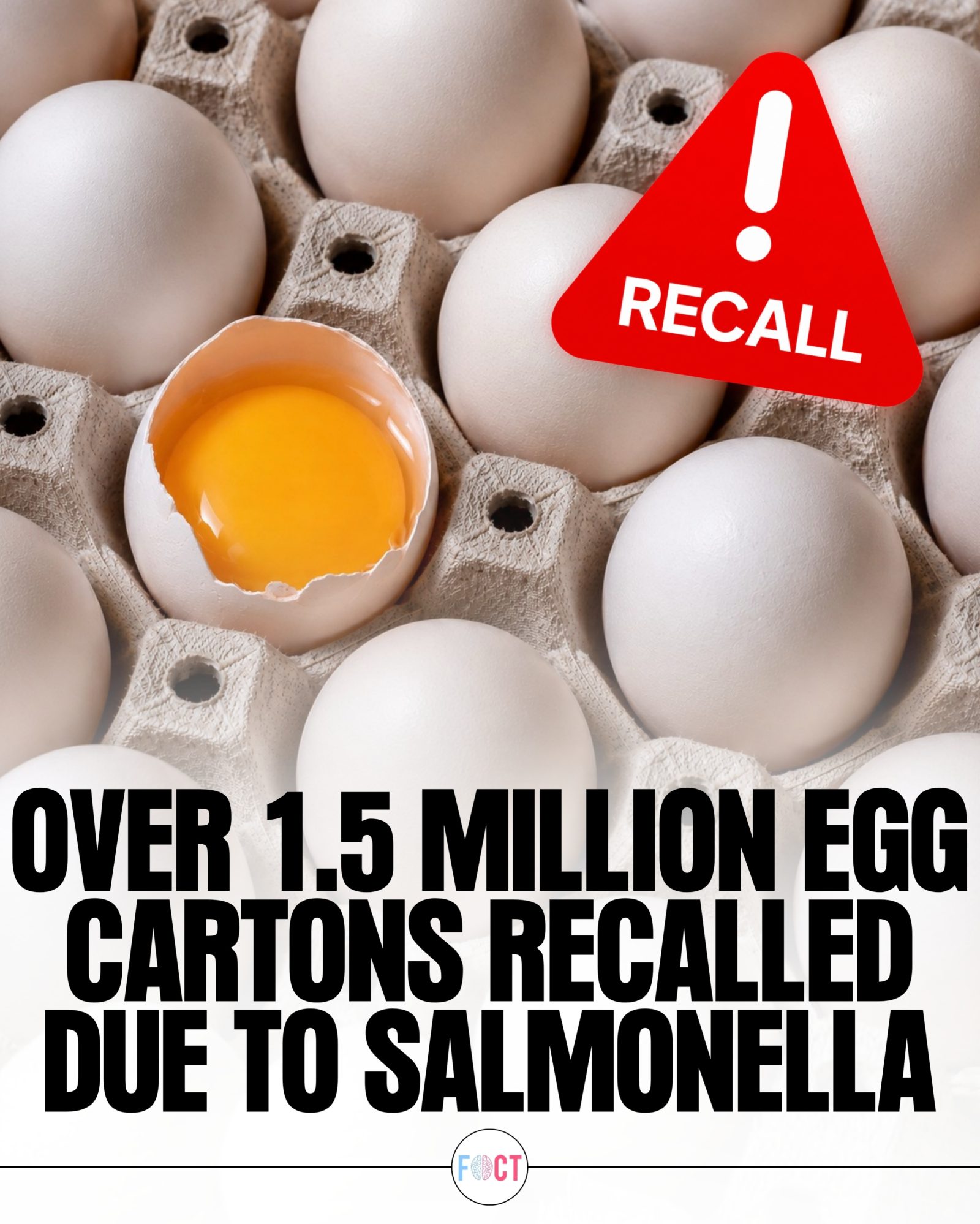
Egg Recall: What You Need to Know About the Multistate Salmonella Outbreak
More than 1.5 million dozen eggs have been recalled due to a multistate Salmonella outbreak. The recall impacts eggs sold under various brands, including Kroger, Simple Truth, Brookshire’s, Cal-Maine, and Country Morning. The affected cartons have “best by” dates between July 20 and August 17, 2026, and are identified by the codes P-1950 or 0840962.
Why This Matters
Salmonella is a type of bacteria that can cause foodborne illness, leading to symptoms like diarrhea, fever, and abdominal cramps. The outbreak has resulted in 98 illnesses and 26 hospitalizations across 17 states, highlighting the importance of taking immediate action to protect public health.
The recall affects eggs from Midwest Poultry Services, a Texas-based company. The recall is significant due to the widespread distribution of the affected eggs, which were sold under multiple brands. This means that consumers in various regions may have these eggs in their homes.
Understanding the Recall
The Source of the Outbreak
The recalled eggs were produced by Midwest Poultry Services, a significant egg producer based in Texas. The company distributes its products under several brand names, making it a common source for many consumers.
Identifying Affected Eggs
To determine if your eggs are part of the recall, check the carton for the following details:
- Brand Names: Kroger, Simple Truth, Brookshire’s, Cal-Maine, and Country Morning.
- Best By Dates: July 20, 2026, to August 17, 2026.
- Codes: P-1950 or 0840962.
The FSCT (Food Safety Certification Team) logo is visible on the egg cartons, which is a standard for food safety certification.
Symptoms and Risks
Salmonella infections typically cause symptoms like diarrhea, fever, and abdominal cramps within 12 to 72 hours after eating contaminated food. While most people recover without treatment, the infection can be severe in young children, the elderly, and those with weakened immune systems. The CDC reports 98 illnesses and 26 hospitalizations linked to this outbreak.
What to Do If You Have Recalled Eggs
If you have any of the recalled eggs in your possession, it's crucial to take the following steps:
- Throw Them Away: Discard the eggs in a sealed plastic bag to prevent contamination.
- Return Them: If you prefer, you can return the eggs to the place of purchase for a refund.
- Clean Surfaces: Thoroughly clean any surfaces that may have come into contact with the recalled eggs to prevent cross-contamination.
Protecting Yourself and Your Family
Safe Egg Handling Practices
To safeguard your health, follow these guidelines for handling and storing eggs:
- Purchase from Reputable Sources: Buy eggs from trusted suppliers who follow strict food safety protocols.
- Store Properly: Keep eggs refrigerated at or below 40°F (4°C) to prevent bacterial growth.
- Cook Thoroughly: Ensure eggs are cooked to a safe internal temperature of 160°F (71°C) to kill any potential bacteria.
Recognizing Symptoms
If you or someone in your household experiences symptoms of Salmonella infection, seek medical attention promptly. Early intervention can prevent complications and ensure a speedy recovery.
Public Health Response
The CDC and local health departments are actively monitoring the outbreak and working to contain the spread. Public health officials are investigating the source of contamination and implementing measures to prevent future outbreaks.
Practical Tips
Checking Your Eggs
Take a moment to inspect your egg cartons at home. Look for the brand names, best by dates, and codes mentioned earlier. If your eggs match these criteria, follow the safety steps outlined above.
Communicating with Others
Share this information with friends and family to ensure they are aware of the recall. Encourage them to check their eggs and take necessary precautions. Community awareness can help mitigate the spread of Salmonella.
Staying Informed
Keep up-to-date with the latest information from reliable sources. The CDC and local health departments provide regular updates on food recalls and outbreaks. Staying informed can help you make informed decisions about your food safety.
Important Takeaways
- Over 1.5 million dozen eggs have been recalled due to a Salmonella outbreak.
- The recall affects multiple brands, including Kroger, Simple Truth, Brookshire’s, Cal-Maine, and Country Morning.
- Check your egg cartons for specific dates and codes to see if they are part of the recall.
- If you have recalled eggs, throw them away, return them, and clean any surfaces they touched.
- Follow safe egg handling practices to protect yourself and your family from foodborne illnesses.
Conclusion
The recall of over 1.5 million dozen eggs due to a multistate Salmonella outbreak underscores the importance of food safety. By staying informed and taking proactive steps, you can protect yourself and your loved ones from potential health risks. Always prioritize safety when handling and consuming eggs, and stay vigilant about recalls and outbreaks to ensure a healthy lifestyle.
Questions readers ask
Which brands are affected by the egg recall due to the Salmonella outbreak?
Several brands are affected by the recall, including Kroger, Simple Truth, Brookshire’s, Cal-Maine, and Country Morning. If you have purchased eggs under these brands, you should check the packaging for specific details.
How can I determine if my eggs are part of the recall?
To check if your eggs are part of the recall, look for cartons with “best by” dates between July 20 and August 17, 2026, and codes P-1950 or 0840962. These codes are typically printed on the carton.
What are the symptoms of a Salmonella infection?
Symptoms of Salmonella infection include diarrhea, fever, and abdominal cramps. These symptoms usually develop within 12 to 72 hours after consuming contaminated food and can last for several days. If you experience these symptoms, seek medical attention.
What should I do if I have consumed recalled eggs?
If you believe you have consumed recalled eggs and are experiencing symptoms, contact your healthcare provider immediately. Monitor your health closely, and if symptoms worsen, seek immediate medical attention. Keep the eggs in the refrigerator for inspection by health officials.
Which states are affected by the Salmonella outbreak linked to the egg recall?
The outbreak has affected 17 states. Check local health department websites or news for more information. If you live in one of these states, be extra vigilant about checking your eggs and monitoring for symptoms.
Recent articles
Fresh deep dives from the latest Reels we unpacked.




Comments
Be the first to comment.