Engineering and Sustainability
Eco-friendly infrastructure design is revolutionizing the way transportation projects are approached, particularly in dense forest terrains. These designs, often referred to as "eco-bridging" or "green tunneling," focus on minimizing the ecological footprint of large-scale transportation projects.
Context / Why this matters
As urbanization and industrialization continue to expand, the need for sustainable infrastructure becomes increasingly critical. Traditional construction methods often involve massive deforestation and habitat fragmentation, which disrupt local ecosystems and wildlife. By contrast, eco-bridging and green tunneling techniques integrate transportation routes into the natural environment, preserving the landscape and its biodiversity. This approach showcases a harmonious balance between advanced engineering and proactive environmental conservation.
Main discussion
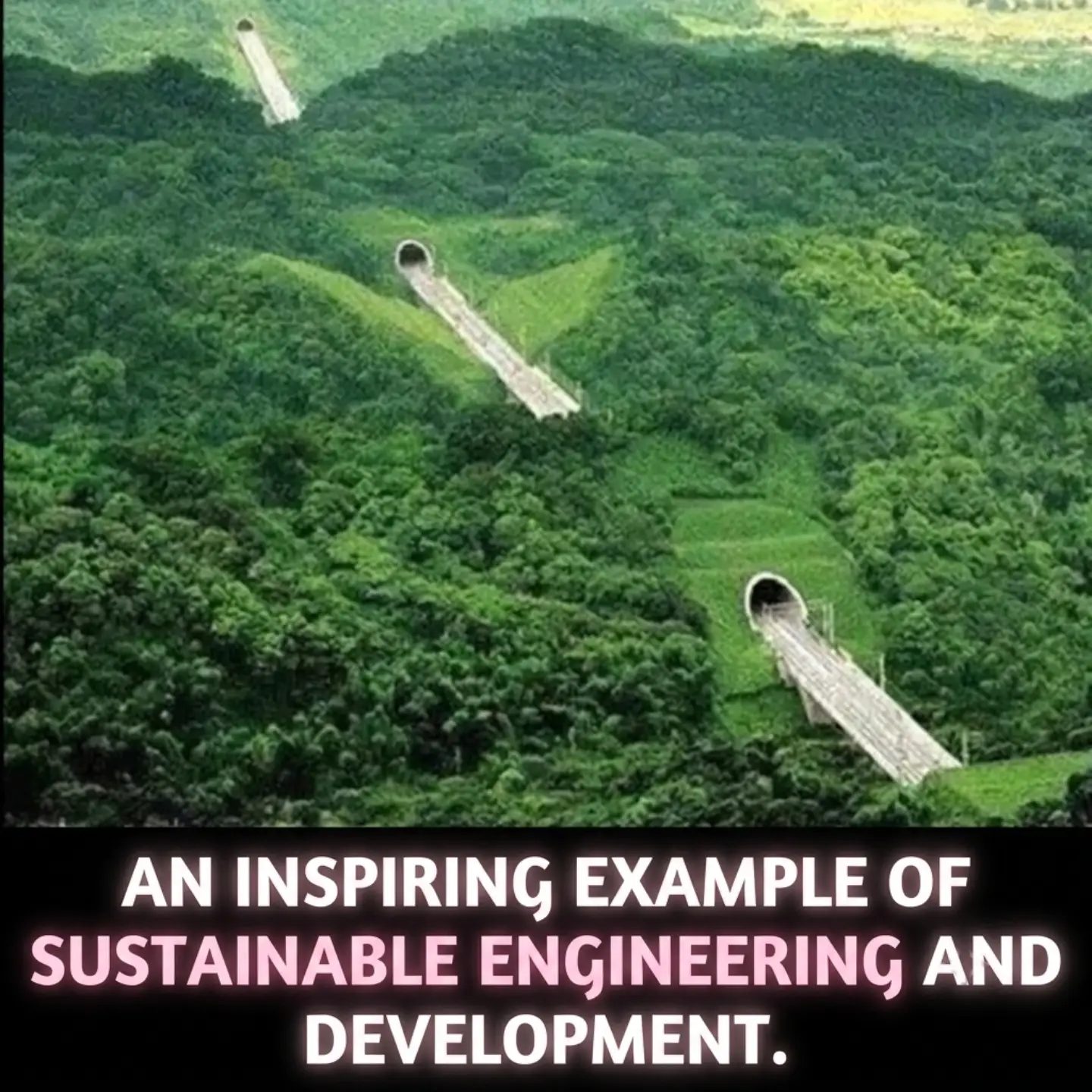
The aerial view of a high-speed railway line cutting through dense forest terrain via a series of tunnels and bridges exemplifies this methodology. These projects are meticulously engineered to avoid leveling hills or carving wide, open trenches, which can severely disrupt migration patterns and degrade ecosystems. By routing the tracks underground and over valleys, the natural canopy and surface environment remain largely intact.
Green Tunneling
Green tunneling involves constructing transportation routes through tunnels that are designed to blend seamlessly with the natural surroundings. This method reduces the visual and physical impact on the landscape, allowing trees and wildlife to thrive. Tunnels not only minimize deforestation but also prevent soil erosion and habitat loss, making them a more sustainable alternative to traditional trenching methods.
Eco-Bridging
Eco-bridging, on the other hand, focuses on building bridges that span valleys and rivers, enabling wildlife to cross safely. These bridges are designed with animal crossings in mind, ensuring that local species can continue their natural migration patterns without interruption. This approach is particularly effective in areas with dense forest cover, where traditional bridging methods would cause significant ecological disruption.
Sustainable Engineering Practices
Sustainable engineering practices are at the core of these eco-friendly infrastructure projects. Engineers focus on minimizing environmental impact while maximizing efficiency and safety. This involves using sustainable materials, reducing energy consumption during construction, and ensuring that the final product has a low carbon footprint. By integrating these practices, engineers can create infrastructure that not only serves its purpose but also contributes to the preservation of natural environments.
Practical tips
If you're involved in infrastructure development, here are some practical tips to make your projects more eco-friendly:
Integrate Nature
Design your infrastructure to integrate seamlessly with the natural environment. Consider building tunnels and bridges that minimize deforestation and habitat fragmentation. This not only preserves the landscape but also enhances the aesthetic appeal of the project.
Use Sustainable Materials
Opt for materials that have a low environmental impact. Recycled materials, renewable resources, and energy-efficient products can significantly reduce the carbon footprint of your project. Always prioritize sustainability in your material choices.
Minimize Energy Consumption
Evaluate your construction methods to identify areas where energy consumption can be reduced. Use energy-efficient machinery and equipment, and consider renewable energy sources for powering your operations. Every step towards energy efficiency counts.
Engage with Local Communities
Engage with local communities and stakeholders to ensure that your project aligns with their needs and values. Sustainability is a collective effort, and involving the community can lead to more inclusive and effective solutions.
Conduct Environmental Impact Assessments
Before starting any project, conduct thorough environmental impact assessments. This will help you understand the potential effects of your infrastructure on the local ecosystem and allow you to implement mitigation measures to minimize negative impacts.
Continuous Monitoring
Implement continuous monitoring and evaluation systems to track the environmental performance of your infrastructure. Regularly assess the ecological impact of your project and make necessary adjustments to ensure long-term sustainability.
Important Takeaways
Eco-friendly infrastructure design is not just about building roads and bridges; it's about creating sustainable transportation solutions that integrate harmoniously with the natural environment. By adopting eco-bridging and green tunneling techniques, we can minimize deforestation, prevent habitat fragmentation, and preserve biodiversity.
Conclusion
In conclusion, sustainable engineering practices are crucial for the future of infrastructure development. By embracing eco-friendly design methodologies, we can create transportation systems that not only serve their purpose but also contribute to the preservation of our natural environments. Whether through green tunneling, eco-bridging, or other sustainable practices, the goal is to achieve a harmonious balance between advanced engineering and proactive environmental conservation. This way, we can build a future where infrastructure and nature coexist in harmony.
Questions readers ask
What is green tunneling and how does it benefit the environment?
Green tunneling is a sustainable transportation design that integrates tunnels into natural environments, minimizing ecological disruption. It helps to prevent deforestation and habitat fragmentation, making it an environmentally friendly alternative to traditional tunneling methods. These tunnels often use natural materials and innovative engineering techniques to preserve the landscape and its biodiversity.
How does eco-bridging contribute to sustainable infrastructure?
Eco-bridging is a design approach that creates bridges which are constructed to integrate seamlessly with the natural environment, promoting safe wildlife passage and maintaining ecological corridors. This ensures that infrastructure development does not hinder the movement of local wildlife. Eco-bridges also help in reducing deforestation by not disrupting the landscape.
How does green tunneling differ from traditional tunneling methods?
Green tunneling prioritizes environmental conservation, using sustainable materials and minimizing deforestation. This differs from traditional tunneling, which can involve extensive excavation and deforestation, leading to habitat fragmentation. Green tunneling’s approach ensures that the natural landscape and biodiversity are preserved as much as possible.
What are some examples of eco-friendly infrastructure designs?
Examples of eco-friendly infrastructure designs include green bridges and green tunnels. Green bridges are specifically designed to allow wildlife to cross safely over roads or railways, while green tunnels integrate transportation routes beneath the ground to preserve the natural habitat and landscape above. Both methods aim to maintain ecological balance and reduce the environmental impact of transportation projects.
Why is minimal deforestation important in transportation projects?
Minimal deforestation is crucial in transportation projects because it prevents habitat fragmentation and preserves biodiversity. Traditional construction often leads to significant deforestation, which can disrupt local ecosystems and wildlife. By minimizing deforestation, sustainable infrastructure designs help maintain the environmental balance and support the survival of various species in the affected areas.
How can sustainable transportation design benefit wildlife?
Sustainable transportation design, such as green tunneling and eco-bridging, benefits wildlife by creating paths that allow animals to cross safely. By integrating these pathways into the natural environment, wildlife can continue to move freely through their habitats, aiding in the conservation of biodiversity and preventing the fragmentation of natural ecosystems.
What is environmentally friendly tunneling?
Environmentally friendly tunneling, or green tunneling, is a construction practice that aims to reduce the environmental impact of tunneling projects. This method uses materials that minimize ecological damage, ensures minimal deforestation, and integrates the tunnel seamlessly into the natural landscape. By doing so, green tunneling helps preserve the local environment and its biodiversity.
Related deep dives
Similar reads based on topic and creator.

Recent articles
Fresh deep dives from the latest Reels we unpacked.




Comments
Be the first to comment.