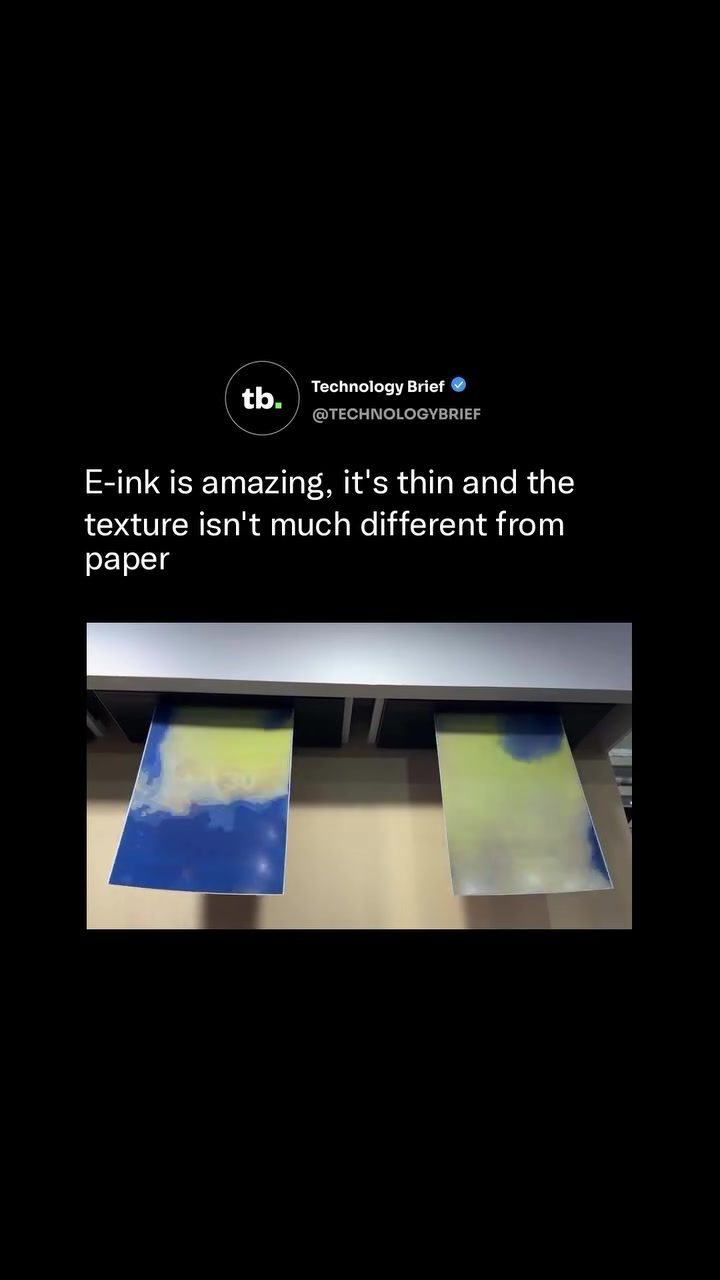
E-Ink Digital Signage: Revolutionizing Retail and Hospitality Displays
E-ink digital signage is transforming retail and hospitality spaces by offering a modern alternative to traditional paper posters and LCD screens. These displays utilize electronic ink, the same reflective technology found in e-readers, to create a unique viewing experience that is both energy-efficient and visually appealing.
Context / Why this Matters
The shift from traditional paper posters and LCD screens to e-ink digital signage is driven by several key advantages. E-ink displays are not only thin and lightweight but also consume minimal power, making them highly cost-effective. They are designed to be read easily under any lighting condition, providing a consistent and readable display. This technology is particularly beneficial for businesses looking to update promotions, pricing, and offers dynamically without the need for physical replacements.
Main Discussion
The Technology Behind E-Ink Displays
E-ink displays use electronic ink, which mimics the appearance of ink on paper. This technology allows the displays to be readable in various lighting conditions, much like a book or a magazine. The reflective nature of e-ink means that the displays do not emit light, reducing eye strain and enhancing the viewing experience.
One of the standout features of e-ink displays is their energy efficiency. These displays only draw power when the image changes, consuming as little as 0.00 watts while showing static content. This makes them an excellent choice for environments where displays are left on for extended periods, such as in retail stores, cafes, and transit systems. Additionally, the thin and lightweight design of e-ink displays allows for flexible installation options, making them versatile for various settings.
Segmented E-Ink Displays
Segmented e-ink displays, like those demonstrated, are optimized for text and graphic layouts rather than continuous full-image matrices. This design is ideal for displaying static information, such as menus, price tags, and promotional messages, in a clear and eye-catching manner.
These segmented displays are designed to show text and graphics clearly, ensuring that the information is easily readable from a distance. The segmented design allows for precise control over the content displayed, making it easy to update information remotely. This capability is particularly useful for businesses that need to change their promotions or pricing frequently.
Advantages of E-Ink Signage
E-ink digital signage offers several advantages over traditional display technologies:
- Energy Efficiency: E-ink displays consume minimal power, making them cost-effective for long-term use.
- Readability: The reflective nature of e-ink makes the displays easy to read under any lighting condition, ensuring consistent visibility.
- Flexibility: E-ink displays are thin and lightweight, allowing for flexible installation in various settings.
- Remote Management: Businesses can update content remotely, eliminating the need for physical replacements and reducing operational costs.
Case Studies and Real-World Applications
Samsung’s 32-inch color e-ink signage panel, launched in 2025, is a prime example of the advancements in e-ink technology. This panel weighs just 2.5 kg and measures about 18 mm thick, showcasing the thin and lightweight design of e-ink displays. The Spectra 6 technology, developed by E Ink Holdings, the world’s largest supplier of ePaper displays, has further enhanced the capabilities of e-ink signage. This technology won a Display of the Year award from the Society for Information Display and is being expanded into full-color retail signage.
E Ink Holdings is investing around $107 million in a new production facility in Taiwan to scale up large-format e-paper panels. This investment highlights the growing demand for e-ink displays in various industries, including cafes, retailers, and transit systems. Larger formats up to 75 inches are now entering the market, providing businesses with even more options for dynamic and engaging signage.
The Future of E-Ink Technology
The future of e-ink technology looks promising, with ongoing advancements in display quality and functionality. As the demand for e-ink displays continues to grow, we can expect to see more innovative applications and improved performance. The ability to update content remotely and the energy-efficient nature of e-ink displays make them a compelling choice for businesses looking to stay ahead in a competitive market.
Practical Tips
For businesses considering e-ink digital signage, here are some practical tips to get started:
- Assess Your Needs: Determine the specific requirements for your display, such as the size, location, and type of content to be shown.
- Choose the Right Display: Select a display that best fits your needs, whether it's a segmented display for text and graphics or a full-color panel for more complex visuals.
- Plan for Remote Management: Ensure that your display supports remote content updates, allowing you to manage your signage from anywhere.
- Optimize Content: Design your content to be clear and concise, making use of the display's strengths in readability and aesthetics.
Important Takeaways
E-ink digital signage offers a modern and efficient solution for businesses in the retail and hospitality sectors. The reflective technology, energy efficiency, and readability of e-ink displays make them an attractive alternative to traditional paper posters and LCD screens. With the ability to update content remotely and the flexibility of installation, e-ink signage is set to become a staple in modern retail environments.
By adopting e-ink digital signage, businesses can enhance their visual communication, reduce operational costs, and stay competitive in a rapidly evolving market.
Conclusion
E-ink digital signage is revolutionizing the way businesses communicate with their customers. The unique advantages of e-ink technology, combined with its energy efficiency and flexibility, make it an ideal choice for various applications. As the technology continues to evolve, we can expect to see even more innovative uses and improved performance, making e-ink displays a cornerstone of modern retail and hospitality spaces.
Questions readers ask
What makes e-ink displays more energy-efficient than LCD screens?
E-ink displays consume significantly less power than LCD screens. They only use energy when updating content, not for maintaining a static image. This makes them an excellent choice for retail environments where displays may stay the same for extended periods.
How do e-ink displays perform under different lighting conditions?
E-ink displays are designed to be highly readable under any lighting condition, much like reading from a printed page. They reflect ambient light, making them just as visible in bright sunlight as in low-light environments like indoor stores.
What are the advantages of using e-ink signage in retail spaces?
E-ink signage in retail provides dynamic, eye-catching displays that can be updated instantly. They are thin, lightweight, and easy to install, offering a modern look that can enhance the customer experience.
Can e-ink displays be used outdoors?
Yes, e-ink displays are suitable for outdoor use due to their high readability in bright sunlight. Their reflective technology ensures that content remains clear and visible, making them ideal for outdoor retail signage.
What are the benefits of e-ink signage over traditional paper posters?
E-ink signage offers several benefits, including the ability to update content remotely and instantly, reducing waste from paper posters, and providing a more modern, professional appearance. This makes them a cost-effective and sustainable choice.
How does e-ink technology compare to LCD screens in terms of maintenance?
E-ink displays require less maintenance than LCD screens. Since they do not use backlighting, there are fewer components that can fail. Additionally, their power consumption is minimal, reducing the strain on power sources.
What kind of content can be displayed on e-ink signage?
E-ink signage can display a variety of content, including text, images, and even simple animations. The content can be updated remotely, allowing retailers to change promotions, prices, and information quickly and efficiently.
Recent articles
Fresh deep dives from the latest Reels we unpacked.




Comments
Be the first to comment.