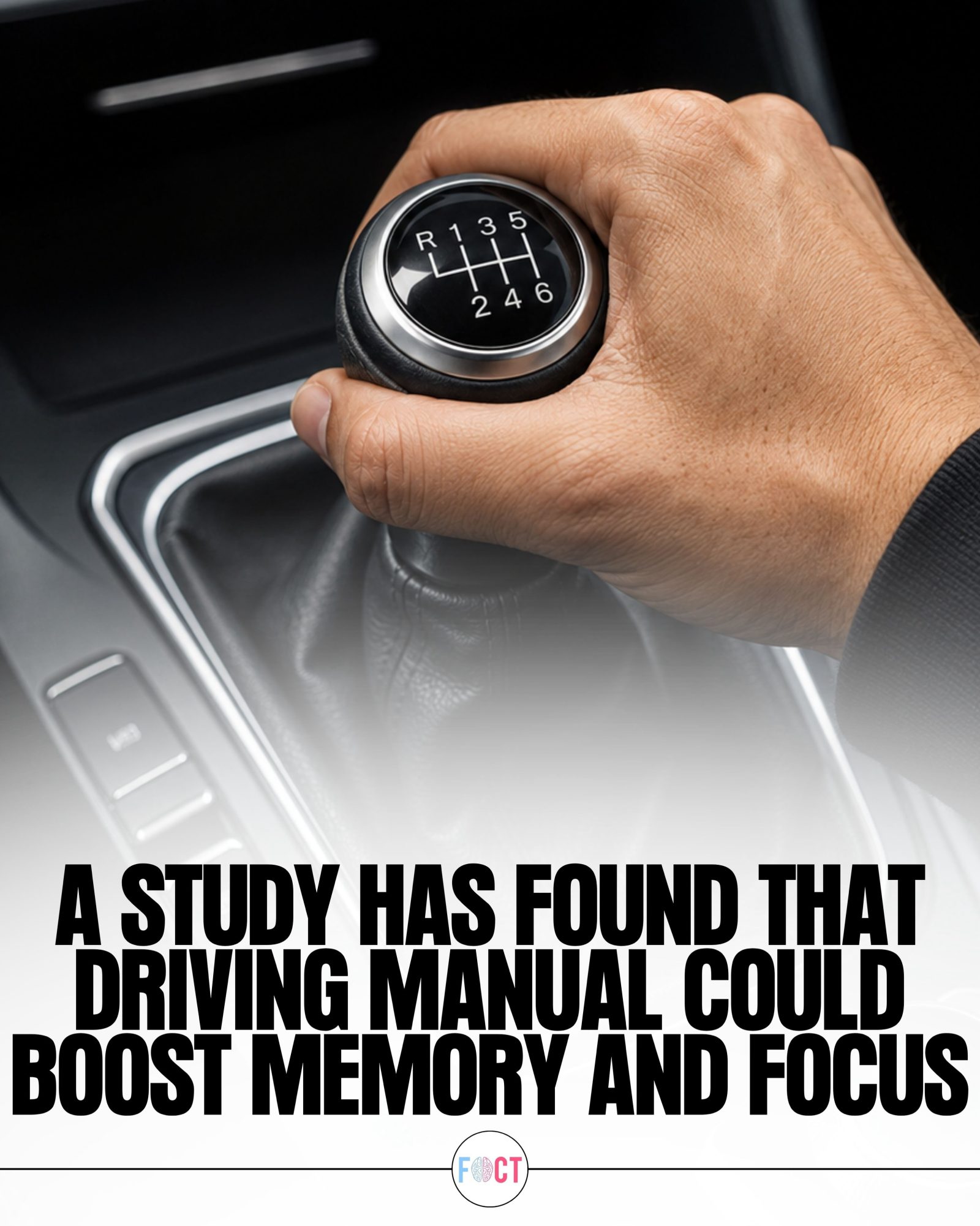
Manual Transmission Benefits
Driving a manual transmission car involves more than just mastering the clutch and gears; it can also offer surprising benefits for your brain. By challenging the mind with the coordination required, manual driving may enhance memory, attention, and decision-making skills. This is backed by research and insights from neuroscientist Professor Ryuta Kawashima, who is well-known for his work on Nintendo’s Brain Age games. Let's delve into the benefits and practical implications of driving a manual transmission.
Why This Matters
In an era where manual transmissions are becoming increasingly rare, understanding the cognitive benefits of driving a manual car offers a fresh perspective on how everyday activities can impact our mental acuity. With automation on the rise, the physical and mental engagement required by manual driving provides a stark contrast that highlights the importance of active learning and coordination.
Cognitive Benefits
Memory and Attention
Diving into the specifics, using a manual transmission activates the brain's prefrontal cortex. This region is responsible for memory, attention, and decision-making. When you drive a manual car, the coordination needed to work the clutch, shift gears, and stay focused on the road acts as a daily mental workout. This continuous engagement with different tasks helps keep the brain active and potentially improves cognitive functions.
Decision-Making Skills
Manual driving requires constant decision-making. Whether it's determining the right gear for the current speed and road conditions or coordinating your footwork, these actions demand quick thinking and adaptability. This level of mental engagement is similar to learning a new skill, providing a mental challenge that can improve overall cognitive abilities.
Daily Mental Workout
The coordination needed for manual driving serves as a daily mental workout. By forcing you to stay alert and focused, it helps keep the brain engaged. This mental exercise can be particularly beneficial for maintaining cognitive health, especially as we age.
Practical Implications
Learning a New Skill
Learning to drive a manual transmission can be challenging, but it offers the same cognitive benefits as picking up any new skill. The process involves active learning, practice, and coordination, all of which contribute to mental sharpness. It's a reminder that everyday tasks can play a role in keeping our minds active and engaged.
The Demise of Manual Cars
As manual cars become increasingly rare, the opportunity to gain these cognitive benefits may not be readily available to everyone. However, those who do drive manuals can take comfort in knowing that they are actively exercising their brains while behind the wheel. For enthusiasts, this adds another layer of enjoyment to the driving experience.
Practical Tips
Start Early
If you're new to manual driving, starting early can help you build the necessary coordination and muscle memory. Begin by practicing in a safe, open space like an empty parking lot. Familiarize yourself with the clutch and gear stick before hitting the road.
Stay Focused
Focus is key to manual driving. Keep your attention on the road and the gear stick, and avoid distractions. This will help you stay sharp and make better decisions while driving.
Practice Regularly
Regular practice is essential for improving your manual driving skills. The more you drive, the more comfortable you'll become with the clutch and gears. Over time, the coordination required will become second nature, making the mental workout even more effective.
Maintain Your Car
Regular maintenance of your manual transmission car is crucial for a smooth driving experience. Keeping your car in good condition will ensure that the gears and clutch work efficiently, making the driving experience more enjoyable and less stressful.
Important Takeaways
Manual driving offers significant cognitive benefits, including improved memory, attention, and decision-making skills. While it may not be a panacea for cognitive decline, it provides a practical way to keep the brain engaged through active learning and coordination. As manual cars become less common, recognizing the value of this driving style can offer a unique opportunity to maintain mental sharpness through everyday activities.
Conclusion
Driving a manual transmission car is more than just a driving style—it's a mental workout. By challenging the brain with the coordination required to work the clutch and gears, manual driving offers cognitive benefits that can enhance memory, attention, and decision-making skills. As we continue to embrace automation, the cognitive benefits of manual driving serve as a reminder of the value of active learning and coordination in keeping our minds sharp.
Questions readers ask
How does driving a manual car improve memory?
Driving a manual car involves complex coordination, such as shifting gears and managing the clutch, which can help create new neural pathways in the brain. This process can lead to improved memory retention and recall, as it engages multiple areas of the brain simultaneously.
What are the attention benefits of driving a manual car?
Manual driving demands continuous focus and attention to detail, such as monitoring speed, gear shifts, and road conditions. This heightened attention can translate to better concentration in other aspects of life, as it trains the brain to stay alert and aware of multiple tasks simultaneously.
Can driving a manual car enhance decision-making skills?
Yes, driving a manual car requires quick decision-making—for instance, when to shift gears or how to navigate through traffic. These constant decisions can enhance your ability to make quick and effective choices, both on the road and in everyday situations.
How does driving a manual car serve as a mental workout?
Manual driving engages various cognitive functions, including motor skills, hand-eye coordination, and cognitive control. This multifaceted engagement provides a daily mental workout, helping to keep the mind sharp and agile.
What makes manual driving different from automatic driving in terms of brain engagement?
Manual driving requires active engagement with the vehicle, unlike automatic driving which relies more on automated systems. This hands-on approach can lead to a richer mental experience, enhancing various cognitive functions through constant engagement and decision-making.
Can driving a manual car improve focus and concentration?
Driving a manual car improves focus and concentration by requiring constant attention to the road, gear shifts, and clutch control. This multifaceted attention can train the brain to stay focused for longer periods, which can be beneficial in other areas of life that require sustained attention.
Are there specific studies or experts that support the cognitive benefits of driving a manual car?
Research from neuroscientist Professor Ryuta Kawashima and insights from studies on manual transmission driving suggest that this activity can enhance memory, attention, and decision-making skills. These findings highlight the potential of everyday activities like manual driving to positively impact cognitive functions.
Recent articles
Fresh deep dives from the latest Reels we unpacked.




Comments
Be the first to comment.