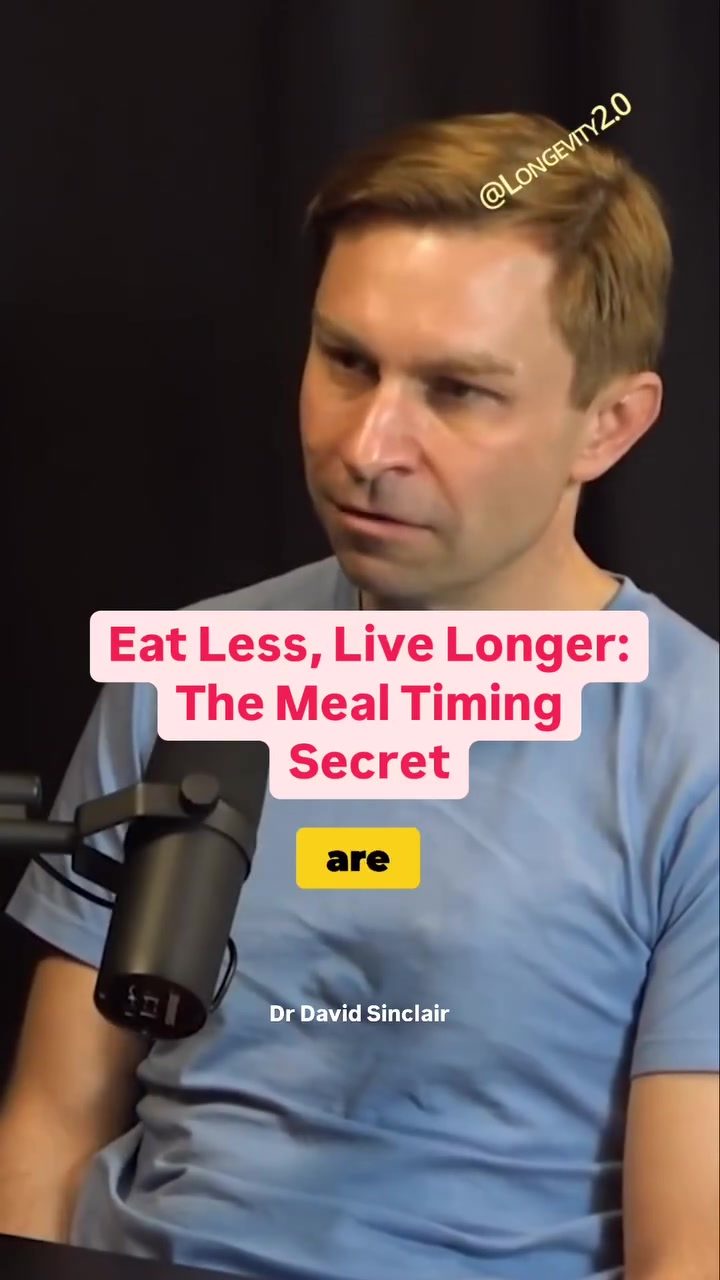
Eat Less, Live Longer: The Meal Timing Secret
Meal timing is a crucial factor in longevity, often overlooked in favor of what we eat. Dr. David Sinclair, a renowned expert in the field, emphasizes that the timing of our meals can significantly impact our health and lifespan. This insight is grounded in extensive research, particularly a study conducted by Rafael de Cabo at the National Institutes of Health in Bethesda.
Context / Why This Matters
The study, which involved 10,000 mice, aimed to identify the perfect mix of carbohydrates, proteins, and fats. Surprisingly, the mice that ate only once a day showed the most significant increase in longevity. While we are not mice, the findings suggest that humans might also benefit from similar eating patterns. This revelation challenges the conventional wisdom that focuses solely on the types of food we consume, rather than when we consume them.
The Science Behind Meal Timing
The study by Rafael de Cabo highlights the importance of meal timing in longevity. The mice that ate once a day lived longer, indicating that intermittent fasting could be a beneficial practice for humans as well. This approach not only extends lifespan but also improves overall health. The key takeaway is that eating less frequently and in the right way might be the best strategy for longevity. Incorporating protein, alongside vegetables, supports a more balanced and effective diet.
Understanding Intermittent Fasting
Intermittent fasting, a dietary pattern that cycles between periods of eating and fasting, has gained popularity due to its health benefits. The most common methods include the 16/8 method, where you fast for 16 hours and eat within an 8-hour window, and the 5:2 diet, where you eat normally for five days and restrict calories for two days. These patterns can help regulate metabolic processes, reduce inflammation, and improve insulin sensitivity.
Balancing Enjoyment and Longevity
While eating less and at the right times can enhance longevity, it's essential to enjoy life. Dr. Sinclair admits to occasionally indulging in desserts, emphasizing the importance of balance. Enjoying life's pleasures, even if it means straying from a strict diet occasionally, is crucial for mental well-being. However, it's important to note that overeating, especially on foods high in fat and protein, can have adverse effects. Dr. Sinclair shared his personal experience of feeling unwell after consuming fried chicken, highlighting how certain foods can disrupt digestion and overall health.
Practical Tips
Implementing meal timing strategies can be challenging, but the following tips can help:
- Consistency is Key: Choose a fasting window that works for you and stick to it. Consistency helps your body adapt to the new eating pattern.
- Stay Hydrated: Drink plenty of water during your fasting window to stay hydrated and help control hunger.
- Listen to Your Body: Pay attention to how your body responds to different foods and adjust your diet accordingly. Over time, you may find that certain foods cause discomfort, and it's best to avoid them.
- Focus on Nutrient-Dense Foods: When you do eat, choose nutrient-dense foods that provide a balanced mix of carbohydrates, proteins, and fats. This ensures that your body gets the nutrients it needs without overeating.
- Plan Your Meals: Plan your meals in advance to avoid impulsive eating. This helps maintain a balanced diet and ensures you stick to your fasting window.
Important Takeaways
Meal timing, especially intermittent fasting, can significantly impact longevity and overall health. Incorporating protein and vegetables into your diet while adhering to a consistent eating pattern can offer numerous benefits. However, it's essential to find a balance between enjoying life and maintaining a healthy diet. Listen to your body and adjust your eating habits accordingly.
Conclusion
Meal timing is a critical factor in longevity, often overshadowed by the focus on what we eat. The science-backed insights from studies like the one conducted by Rafael de Cabo at the National Institutes of Health emphasize the benefits of eating less frequently and at the right times. By incorporating these principles into your diet, you can enhance your health and longevity while still enjoying life's pleasures.
Questions readers ask
What are the key findings of Dr. Sinclair's research on meal timing and longevity?
Dr. Sinclair's research, along with studies like the one conducted by Rafael de Cabo, suggests that eating less frequently and at specific times can significantly extend lifespan in mice. While we are not mice, these findings indicate that humans might also benefit from similar eating patterns.
How does intermittent fasting relate to Dr. Sinclair's meal timing advice?
Intermittent fasting is a key component of Dr. Sinclair's meal timing advice. The practice of eating only once a day, as seen in the mice study, showed the most significant increase in longevity, aligning with the principles of intermittent fasting.
What are the benefits of adjusting meal timing for longevity?
Adjusting meal timing can lead to various health benefits, including improved metabolism, better blood sugar control, and potentially increased lifespan. By aligning eating patterns with our body's natural rhythms, we can optimize overall health and well-being.
What are the first steps to changing my eating habits for longevity?
To start, consider reducing the frequency of your meals and gradually introduce longer periods of fasting between meals. Begin with a 12-hour fasting window and gradually extend it to 14-16 hours, ensuring you stay hydrated throughout the day. Consult with a healthcare professional before making significant changes to your eating habits.
What foods does Dr. Sinclair recommend for a longer life?
Dr. Sinclair focuses on the importance of meal timing, however, he also promotes a balanced diet rich in plant-based foods for overall health. Incorporating a variety of fruits, vegetables, lean proteins, and whole grains can complement the benefits of optimal meal timing.
What is the optimal window for eating to maximize longevity benefits according to Dr. Sinclair?
While Dr. Sinclair's research highlights the benefits of eating once a day, the optimal eating window can vary. Generally, a 8-10 hour eating window, such as from 12:00 PM to 8:00 PM, followed by a 14-16 hour fasting period, has shown promising results. This aligns with the body's natural circadian rhythms and promotes better metabolic health.
Related deep dives
Similar reads based on topic and creator.




Recent articles
Fresh deep dives from the latest Reels we unpacked.




Comments
Be the first to comment.