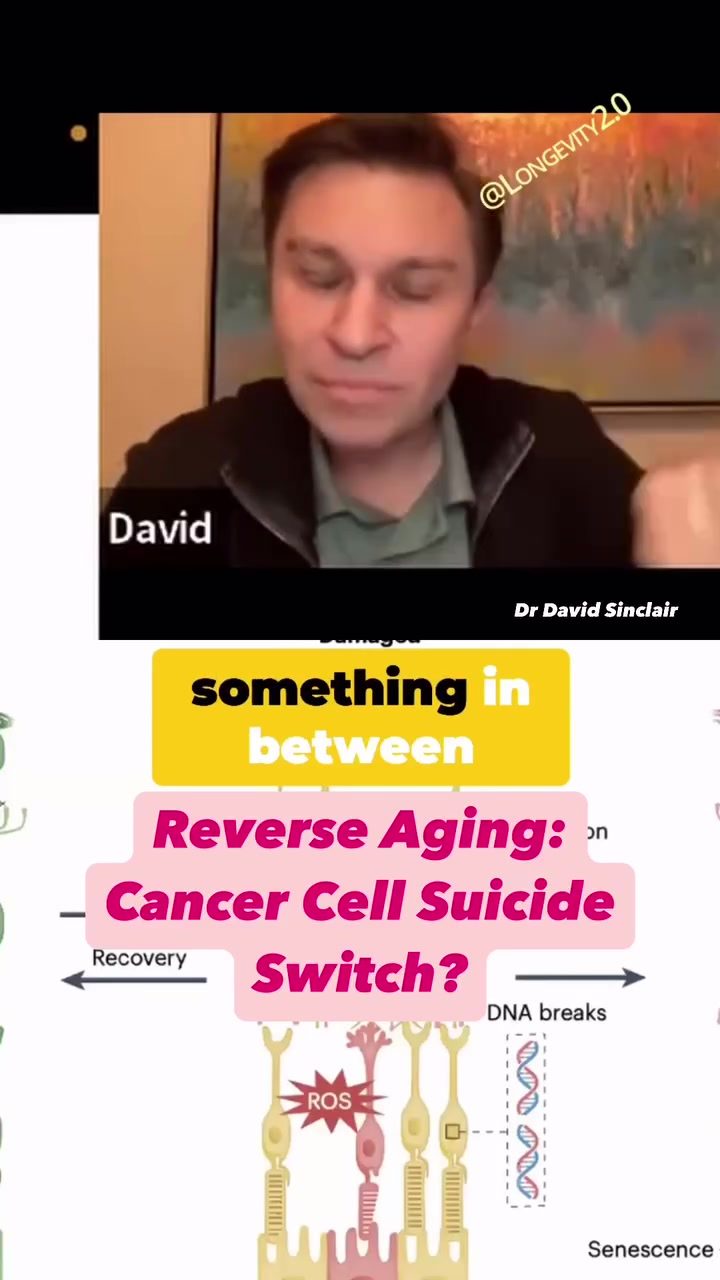
A New Approach to Longevity: Reverse Aging and Cancer Cell Suicide
Aging is a complex process that affects our cells in numerous ways. Recent research has focused on reversing the aging process by restoring cellular identity and function. This approach aims to rejuvenate cells without turning them into stem cells, a crucial distinction in the field of longevity research.
Why This Matters
Understanding the mechanisms of aging and how to reverse them is fundamental to developing effective anti-aging strategies. By targeting cellular identity and function, scientists hope to improve overall health and extend lifespan. This approach not only addresses age-related decline but also has promising implications for cancer treatment.
Regaining Cellular Identity
The process of reversing aging involves more than just rejuvenating cells. It's about giving cells back their identity and function without pushing them too hard, which can lead to stem cell states. This delicate balance is key to successful cellular reprogramming.
The Challenge of Cellular Reprogramming
One of the main challenges in this field is avoiding the transformation of cells into stem cells, which can lead to uncontrolled growth and potential cancer development. The goal is to find a sweet spot where cells regain their youthful functions without losing their specialized roles.
Dr. David Sinclair, a prominent figure in longevity research, highlights the importance of identifying this balance. He explains that pushing cells too hard, such as in the Yamanaka method, can cause them to revert to a stem cell state. This realization has taken years to understand and implement.
The Role of Nalat and Dr. Sinclair
Nalat, a graduate student in Dr. Sinclair's lab, is applying this theory to cancer cells. Traditionally, it was thought that reprogramming cancer cells could make them worse. However, by focusing on regaining cellular identity, researchers found that cancer cells could potentially behave better and even kill themselves in the process of re-differentiation.
Cancer Cell Suicide: A New Hope
One of the most intriguing findings in this area of research is the potential for cancer cells to undergo a form of suicide during the process of regaining their identity. This phenomenon has been observed in cell lines and suggests that cancer cells, when forced to re-differentiate, recognize the harm they are causing and initiate a self-destruct mechanism.
The Mechanics of Cell Suicide
This process makes intuitive sense. Cancer cells, often described as being in a "zombie-like" state, may wake up from this state and see the damage they are causing, leading them to self-destruct. This discovery opens up new avenues for cancer treatment, where therapies could be designed to trigger this intrinsic suicide mechanism in cancer cells.
Practical Tips
While the research is still in its early stages, there are several practical tips that can be gleaned from current findings:
-
Stay Informed: Keep up-to-date with the latest research in cellular reprogramming and longevity. Understanding the science behind these processes can help you make informed decisions about your health.
-
Healthy Lifestyle: Maintain a healthy lifestyle that supports cellular health. This includes a balanced diet, regular exercise, and adequate sleep.
-
Consider Supplements: Supplements like NMN, which are known to support cellular health, may be beneficial. However, always consult with a healthcare professional before starting any new supplement regimen.
Important Takeaways
-
Cellular Reprogramming: The key to reversing aging is to regain cellular identity and function without turning cells into stem cells. This requires a delicate balance and years of research.
-
Cancer Cell Suicide: Cancer cells may undergo self-destruction when forced to re-differentiate, offering a new approach to cancer treatment.
-
Gradual Process: The journey towards cellular rejuvenation is gradual and requires careful manipulation of cellular processes. Over-pushing cells can lead to unwanted outcomes.
Conclusion
The journey to reverse aging and enhance cellular health is both exciting and complex. By understanding the intricacies of cellular reprogramming and the potential for cancer cell suicide, researchers are unlocking new possibilities for longevity and cancer treatment. As we continue to delve deeper into these processes, the future of longevity looks brighter than ever.
Questions readers ask
What is cellular reprogramming and how does it relate to reversing the aging process?
Cellular reprogramming involves restoring adult cells to a more youthful state, effectively reversing some aging processes. Unlike stem cell therapy, this method does not convert cells into stem cells, instead it aims to improve cellular function and identity, which can enhance overall health and longevity.
How does Dr. David Sinclair's research contribute to the understanding of aging?
Dr. David Sinclair's research focuses on the mechanisms behind aging, particularly how cellular identity and function change over time. His work aims to restore cells to their youthful state, which could extend lifespan and improve health.
Can the process of reversing aging help in the treatment of cancer?
Yes, reversing aging and understanding cellular reprogramming can have implications for cancer treatment. By targeting cancer cell function and inducing cell suicide, researchers aim to develop innovative therapies that can improve outcomes for cancer patients.
What is the significance of cellular identity in the context of longevity research?
Cellular identity is crucial in longevity research because it determines how cells function and behave. Restoring or maintaining a youthful cellular identity can slow or reverse age-related decline, leading to improved health and extended lifespan.
How does the reversal of aging differ from stem cell therapy?
Reversing aging through cellular reprogramming does not involve converting cells into stem cells. Instead, it aims to rejuvenate cells by restoring their function and identity, which can enhance overall health and longevity without the risks associated with stem cell therapy.
What are the implications of cancer cell suicide in the context of longevity and cancer treatment?
Cancer cell suicide, or apoptosis, is a process where cancer cells are programmed to self-destruct. By targeting and inducing this process, researchers hope to develop innovative cancer treatments that can improve outcomes and extend lifespan by reducing the burden of cancer in aging populations.
What are the potential benefits of regaining youthful cells through cellular reprogramming?
Regaining youthful cells through cellular reprogramming can lead to improved cellular function and identity, which in turn can enhance overall health, delay age-related decline, and extend lifespan. This process, which is different from stem cell therapy, could revolutionize the field of longevity research and cancer treatment.
Recent articles
Fresh deep dives from the latest Reels we unpacked.




Comments
Be the first to comment.