Obesity and Genetic Predisposition
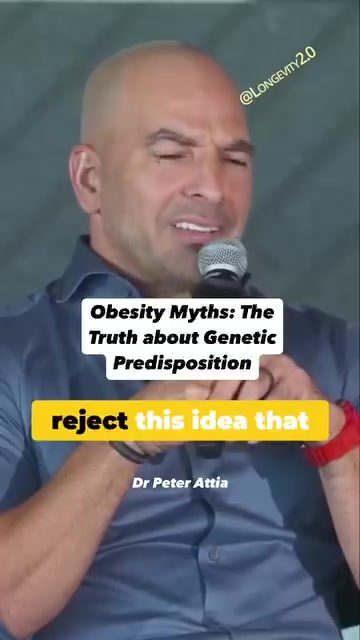
Obesity is a complex issue that often gets oversimplified. The idea that obese individuals are merely gluttons or lack willpower is not only reductive but also inaccurate. The role of genetics in obesity is significant and often overlooked. Dr. Peter Attia delves into this topic, challenging common myths and highlighting the genetic factors that contribute to weight gain and obesity.
Why This Matters
Understanding the role of genetics in obesity is crucial for several reasons. It helps to debunk harmful stereotypes, encourages a more empathetic approach to weight management, and paves the way for more effective treatment strategies. By recognizing the genetic predispositions, we can shift the focus from blame to constructive measures that address the underlying biological factors.
The Myth of Willpower
One of the most pervasive myths about obesity is that it is solely a result of a lack of willpower. This idea suggests that individuals can simply choose to eat less and exercise more to maintain a healthy weight. Dr. Attia rejects this notion, pointing out that nobody wakes up and actively seeks to become overweight or develop type 2 diabetes. The idea that obesity is a matter of personal choice is not only simplistic but also harmful, as it fails to account for the complex interplay of genetic, environmental, and physiological factors that contribute to weight gain.
Genetics play a significant role in determining an individual's susceptibility to obesity. Studies have shown that genes can influence various aspects of metabolism, appetite, and energy expenditure. For instance, the FTO gene, commonly referred to as the "fat gene," is one of the most well-studied genetic factors associated with obesity. Individuals with certain variations of this gene are more likely to have a higher body mass index (BMI) and are at an increased risk of obesity.
Genetic Predisposition and Metabolism
Metabolism, the process by which the body converts food into energy, is another area where genetics play a crucial role. Some individuals are genetically predisposed to have a slower metabolism, which means they burn fewer calories at rest. This can make it more challenging for them to lose weight, even with a balanced diet and regular exercise. Additionally, genetic factors can influence hormone levels, which in turn affect appetite and food cravings. For example, leptin is a hormone that regulates hunger and energy balance. Individuals with leptin resistance may experience increased appetite and find it difficult to control their food intake.
The Role of Environment
While genetics set the stage, environmental factors also play a significant role in obesity. The modern environment, characterized by the availability of high-calorie, nutrient-poor foods and sedentary lifestyles, can exacerbate genetic predispositions. For instance, someone with a genetic susceptibility to obesity may find it easier to gain weight in an environment that encourages overeating and physical inactivity. Conversely, creating a healthier environment with access to nutritious food and opportunities for physical activity can help mitigate these genetic risks.
The Importance of Personalized Approaches
Given the complex interplay of genetics and environment, it is clear that a one-size-fits-all approach to weight management is not effective. Personalized strategies that take into account an individual's genetic makeup, lifestyle, and environmental factors are more likely to succeed. This includes tailored diet plans, exercise routines, and even genetic testing to identify specific genetic predispositions that may influence weight management.
Practical Tips
Implementing a personalized approach to weight management can be challenging, but there are several practical steps that can help:
1. Genetic Testing
Consider undergoing genetic testing to identify specific genetic factors that may influence your weight. This information can help you and your healthcare provider develop a more targeted and effective weight management plan.
2. Tailored Nutrition Plans
Work with a registered dietitian to create a nutrition plan that is tailored to your genetic makeup. This may include recommendations for specific macronutrient ratios, micronutrients, and food choices that are better suited to your body's needs.
3. Regular Exercise
Incorporate regular physical activity into your routine. This not only helps with weight management but also improves overall health. Aim for a combination of aerobic exercise and strength training to maximize benefits.
4. Lifestyle Modifications
Make lifestyle modifications that support a healthier weight. This may include stress management techniques, adequate sleep, and avoiding harmful habits such as excessive alcohol consumption and smoking.
5. Support Systems
Build a support system that includes friends, family, and healthcare providers. Having a network of support can make it easier to stay on track and achieve your weight management goals.
Important Takeaways
- Genetics play a significant role in obesity, influencing metabolism, hormone levels, and appetite.
- Willpower alone is not enough to overcome genetic predispositions to obesity.
- The modern environment, characterized by high-calorie foods and sedentary lifestyles, can exacerbate genetic risks.
- Personalized approaches to weight management, including genetic testing and tailored nutrition plans, are more effective.
- Incorporating regular exercise, lifestyle modifications, and building a support system can help achieve and maintain a healthy weight.
Conclusion
Obesity is a multifaceted issue that involves a complex interplay of genetics and environment. Recognizing the role of genetics in weight management can help dispel harmful myths and pave the way for more effective, personalized strategies. By understanding and addressing the underlying genetic factors, we can work towards a healthier future for all.
Questions readers ask
How do genetics influence obesity beyond personal choices?
Genetics play a significant role in obesity by influencing metabolism and appetite. This means that some individuals may be predisposed to weight gain due to their genetic makeup, making it harder for them to maintain a healthy weight through diet and exercise alone.
What are some common myths about obesity that Dr. Peter Attia addresses?
Dr. Peter Attia challenges the notion that obesity is solely a result of gluttony or lack of willpower. He emphasizes that these simplistic views overlook the complex biological factors, including genetics, that contribute to weight gain.
Can understanding genetic predispositions help in managing obesity?
Yes, recognizing genetic predispositions can lead to more effective and empathetic approaches to weight management. It shifts the focus from blaming individuals to developing targeted strategies that address the underlying biological factors.
How does metabolism influence obesity according to Dr. Peter Attia?
Metabolism is a key factor in obesity, as it can be influenced by genetic predispositions. This means that some people may have a slower metabolism, making it easier for them to gain weight and harder for them to lose it.
What are the primary biological factors of weight gain discussed by Dr. Peter Attia?
Dr. Peter Attia highlights that metabolism and appetite are significant biological factors that contribute to weight gain. These factors are often influenced by genetic predispositions, which can make weight management more challenging for some individuals.
Why is it important to debunk myths about willpower and obesity?
Debunking myths about willpower and obesity is crucial for reducing stigma and promoting a more compassionate understanding of the condition. It encourages a shift towards evidence-based approaches that consider the complex interplay of genetic and biological factors.
What role do genetic factors play in appetite and weight gain?
Genetic factors can significantly influence appetite, leading to increased food consumption and subsequent weight gain. This means that some individuals may have a genetic predisposition to overeat, making weight management more difficult for them.
Recent articles
Fresh deep dives from the latest Reels we unpacked.




Comments
Be the first to comment.