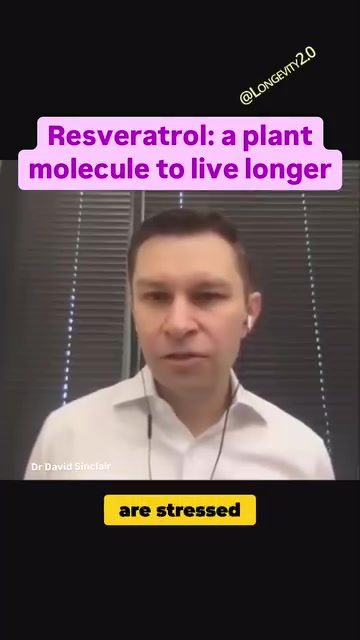
Resveratrol: The Plant Molecule Linked to Longevity
Resveratrol, a naturally occurring compound found in plants, has garnered significant attention for its potential to extend lifespan and promote health. Dr. David Sinclair, a renowned researcher in the field of aging, has explored the fascinating connection between resveratrol and longevity, providing insights into how this molecule can impact our health.
Why This Matters
Understanding resveratrol and its effects on the body is crucial for anyone interested in wellness and longevity. By delving into the science behind this compound, we can uncover practical ways to incorporate it into our diets and potentially reap its benefits.
The Science Behind Resveratrol
Resveratrol and Plant Stress
Plants produce resveratrol as a response to stress. Whether it's drought, intense sunlight, or fungal infections, these stressors trigger the plant to create resveratrol. This molecule helps the plant survive and thrive in adverse conditions. For example grapes produce high concentrations of resveratrol when they are under stress. By understanding this process, we can identify which plants are rich in resveratrol and incorporate them into our diets.
Sirtuins and Cell Protection
Sirtuins are a family of enzymes found in plants and animals that play a crucial role in cell protection and longevity. In plants, sirtuins help to regulate stress responses and ensure survival. Resveratrol works by activating these sirtuins, enhancing their protective effects. Recent research has shown that resveratrol extends the lifespan of mice by activating sirtuins, demonstrating its potential benefits for humans as well.
Practical Tips for Incorporating Resveratrol into Your Diet
Choosing the Right Plants
To maximize your intake of resveratrol, focus on plants that have been subjected to stress. Look for fruits and vegetables with vibrant colors, such as deep reds, purples, and greens. These colors often indicate the presence of resveratrol and other beneficial compounds.
Incorporating Resveratrol-Rich Foods
One of the most well-known sources of resveratrol is red wine, particularly from grapes grown in stressful conditions. However, there are many other plant-based sources to consider:
Fruits: Berries, particularly purple and red grapes, are rich in resveratrol. Other berries, such as blueberries and cranberries, also contain significant amounts.
Nuts and Seeds: Pistachios and peanuts are good sources of resveratrol. These can be added to salads, snacks, or used in cooking.
Dark-Colored Vegetables: Certain vegetables, like eggplant and purple sweet potatoes, contain resveratrol. Including these in your meals can boost your intake.
Supplementation
If you find it challenging to get enough resveratrol through diet alone, consider supplementing. Resveratrol supplements are widely available and can provide a concentrated dose of the compound. However, always consult a healthcare professional before starting any new supplement regimen.
Important Takeaways
Resveratrol is a powerful plant molecule that offers numerous health benefits, particularly in the realm of longevity.
- Plants produce resveratrol in response to stress, making stressed plants a rich source of this compound.
- Resveratrol activates sirtuins, enzymes that protect cells and promote longevity.
- Incorporating resveratrol-rich foods into your diet, such as red wine, berries, and dark-colored vegetables, can help you benefit from this molecule. While more research is needed to fully understand the extent of resveratrol's benefits in humans, the current findings are promising.
Conclusion
Resveratrol represents a fascinating area of research in the field of longevity. By understanding its role in plant stress responses and its potential to activate sirtuins, we can make informed choices about incorporating this compound into our diets. Whether through diet or supplementation, resveratrol offers a natural way to support health and potentially extend lifespan.
Questions readers ask
What is resveratrol and why is it important for longevity?
Resveratrol is a natural compound produced by plants in response to stress, such as damage or infection. Its importance for longevity lies in its ability to activate sirtuins, a group of proteins involved in longevity and healthspan. By mimicking the effects of calorie restriction, resveratrol can help promote a longer, healthier lifespan.
How does resveratrol activate beneficial enzymes in the body?
Resveratrol activates sirtuins, beneficial enzymes that play a crucial role in various biological processes, including metabolism, stress response, and longevity. When activated, sirtuins can promote cellular health, improve metabolism, and enhance the body's ability to repair damage, ultimately contributing to a longer lifespan.
What are some of the health benefits of resveratrol, according to Dr. David Sinclair?
Dr. David Sinclair's research highlights several health benefits of resveratrol, including improved metabolic function, enhanced stress resistance, and increased longevity. Additionally, resveratrol has been shown to have anti-inflammatory and antioxidant properties, which can help protect cells from damage and promote overall health.
What is the connection between resveratrol and NAD+?
Resveratrol helps to increase the levels of NAD+, a crucial coenzyme involved in cellular metabolism and energy production. By boosting NAD+ levels, resveratrol can enhance cellular function, promote longevity, and support overall health. Dr. David Sinclair's research has shown that increasing NAD+ levels can reverse some aspects of aging.
How can I incorporate more resveratrol into my diet?
Resveratrol can be found in various plant-based foods, with some of the richest sources including red wine, grapes, berries, and certain types of nuts. To increase your resveratrol intake, consider incorporating these foods into your daily meals or taking a resveratrol supplement. However, it's essential to consult with a healthcare professional before starting any new supplement regimen.
Can resveratrol reverse aging?
While resveratrol cannot completely reverse aging, research has shown that it can slow down the aging process and promote longevity. By activating sirtuins and increasing NAD+ levels, resveratrol can help improve cellular function, repair damage, and enhance overall health, ultimately contributing to a longer, healthier lifespan.
Recent articles
Fresh deep dives from the latest Reels we unpacked.




Comments
Be the first to comment.