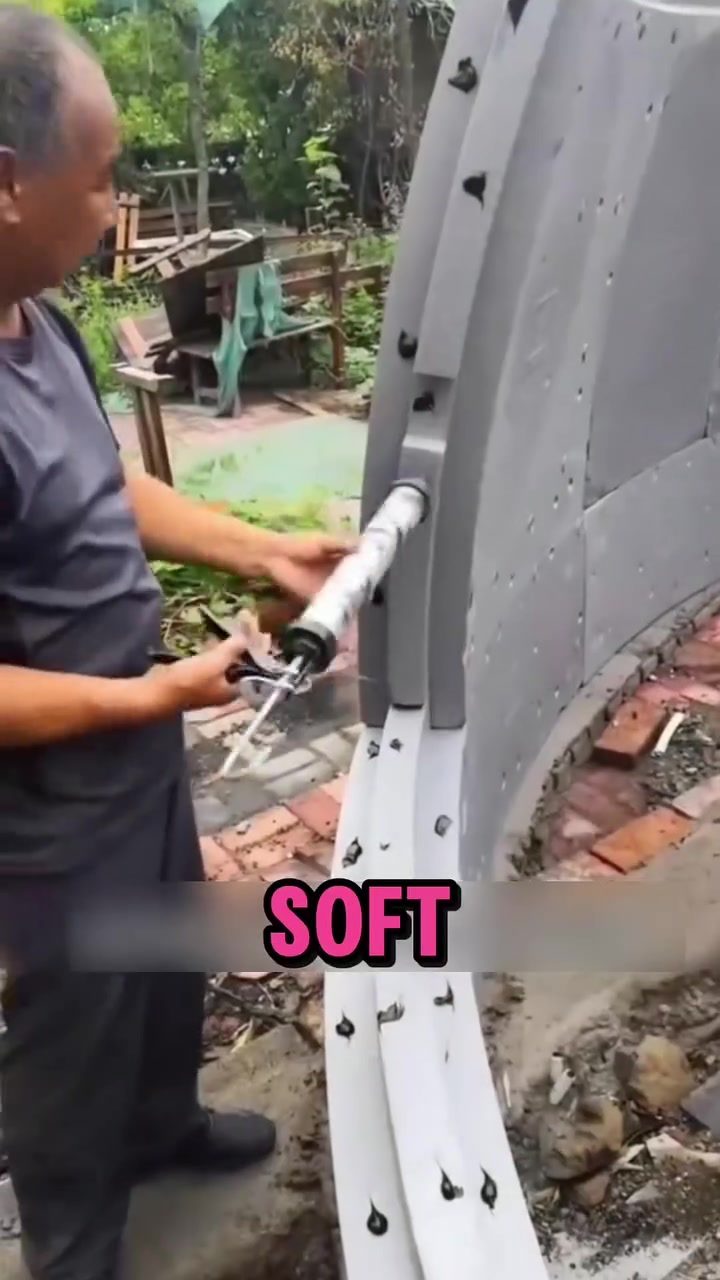
Dome Construction
Dome homes are an intriguing alternative to traditional houses, offering a unique blend of aesthetics, durability, and energy efficiency. Unlike typical buildings made from heavy bricks, dome structures utilize lightweight, flexible forms, giving the illusion of frailty. Yet, their engineering belies this appearance, making them not only strong but also incredibly resilient.
Why This Matters
In today's world, sustainability and efficiency are critical. Dome homes address several key concerns in modern construction, including durability, energy efficiency, and cost-effectiveness. These innovative structures are designed to outperform traditional concrete homes, making them a compelling option for both homeowners and environmental enthusiasts.
Main Discussion
Engineering and Design
Dome homes are constructed using lightweight, flexible materials that are assembled piece by piece, much like a puzzle. This assembly process might seem delicate, but the engineering behind these structures is anything but. Once the basic structure is in place, it is reinforced with high-strength steel mesh and coated with a special material that acts like armor, providing incredible durability. The rounded design of dome homes also plays a crucial role in their strength. This shape allows the structure to distribute stress evenly, making it highly resistant to winds and other external forces.
Weather Resistance
One of the standout features of dome homes is their ability to withstand harsh weather conditions. The coated sealant applied to the seams of the dome panels ensures that the structure is weatherproof and long-lasting. The rounded shape acts as a windbreaker, deflecting strong gusts and minimizing the impact of harsh weather. This design also enhances the overall stability of the structure, making it a reliable choice in areas prone to storms and high winds.
Energy Efficiency
Dome homes are not only strong but also energy-efficient. The unique shape of the dome helps to regulate the internal temperature, keeping the house warm in winter and cool in summer. This natural temperature regulation reduces the need for heating and cooling systems, leading to significant savings on energy bills. Additionally, the seamless design of dome homes minimizes air leaks, further enhancing their energy efficiency.
Construction Process
The construction process of a dome home is meticulous and precise. Workers start by assembling the lightweight, flexible panels piece by piece, ensuring a seamless fit. Once the structure is complete, steel mesh is applied to reinforce the panels, and a special material is coated over the mesh to provide an extra layer of durability. The final steps involve applying a sealant to the seams to ensure the structure is weatherproof and long-lasting.
Practical Tips
Choosing the Right Location
When considering a dome home, choosing the right location is crucial. Dome homes are highly resistant to strong winds and can withstand various weather conditions, making them ideal for regions prone to storms and extreme weather. Additionally, the energy-efficient design of dome homes makes them a great choice for areas with high energy costs.
Hiring the Right Professionals
Constructing a dome home requires specialized knowledge and skills. It's essential to hire professionals with experience in dome construction to ensure the structure is built correctly. Look for contractors who have worked on similar projects and have a proven track record of success.
Customization Options
Dome homes offer a range of customization options, allowing homeowners to tailor the structure to their specific needs and preferences. From choosing the size and shape of the dome to selecting the interior finishes, there are numerous ways to personalize a dome home. Consider your lifestyle and aesthetic preferences when planning your dome home to create a space that is both functional and beautiful.
Important Takeaways
Dome constructions are a groundbreaking innovation in the construction industry. They offer several advantages over traditional concrete homes, including enhanced durability, superior weather resistance, and significant energy savings. The unique engineering and design of dome homes make them a reliable and sustainable option for modern living. Whether you're looking to build a sustainable home or simply want a unique and durable living space, dome construction offers a compelling solution.
Conclusion
Dome homes represent the future of sustainable and efficient living. By combining innovative engineering, superior durability, and energy efficiency, these structures provide a modern alternative to traditional homes. Whether you're planning to build a new home or considering a unique living space, dome construction offers a range of benefits that make it a worthwhile investment. Embrace the future of housing with a dome home and experience the difference for yourself.
Questions readers ask
What materials are typically used in dome home construction?
Dome homes are usually constructed using a combination of lightweight, flexible materials, such as steel, fiberglass, or concrete. The specific materials used can vary, but the goal is to create a strong, durable structure that can withstand various weather conditions and distribute stress evenly.
How do dome homes compare to traditional concrete homes in terms of storm resistance?
Dome homes often outperform traditional concrete homes in storm resistance. Their aerodynamic shape helps to deflect high winds, and their design allows them to distribute stress evenly. This makes dome homes a resilient housing solution, particularly in areas prone to severe weather conditions.
What are some energy-efficient features of dome homes?
Dome homes are designed with energy efficiency in mind. Their rounded shape reduces the surface area exposed to the elements, which can lower heating and cooling costs. Additionally, the compact design of dome homes allows for more efficient use of interior space, further enhancing their energy-saving potential.
Why are dome homes considered a cost-effective housing option?
Dome homes can be more cost-effective than traditional housing due to several factors. The streamlined construction process, reduced material waste, and energy-efficient design can lead to significant savings. Additionally, the durability of dome homes can result in lower maintenance costs over time, making them an attractive option for homeowners.
How do dome homes address contemporary construction concerns?
Dome homes tackle several contemporary construction challenges, such as durability, energy efficiency, and sustainability. By offering a resilient, energy-efficient, and cost-effective housing solution, dome homes cater to both homeowners seeking long-term value and environmentally-conscious individuals looking to minimize their ecological footprint.
What are the key advantages of choosing a dome home over traditional housing?
Choosing a dome home provides several advantages, including enhanced durability, better energy efficiency, and lower long-term costs. The innovative design of dome homes also offers a unique aesthetic appeal and the ability to withstand harsh weather conditions more effectively than traditional housing.
Can dome homes be customized to meet individual needs and preferences?
Yes, dome homes can be customized to suit individual needs and preferences. While the basic design is a dome, the interior layout, finishes, and additional features can be tailored to the homeowner's specifications. This allows for a personalized living space within the unique and resilient structure of a dome home.
Recent articles
Fresh deep dives from the latest Reels we unpacked.




Comments
Be the first to comment.