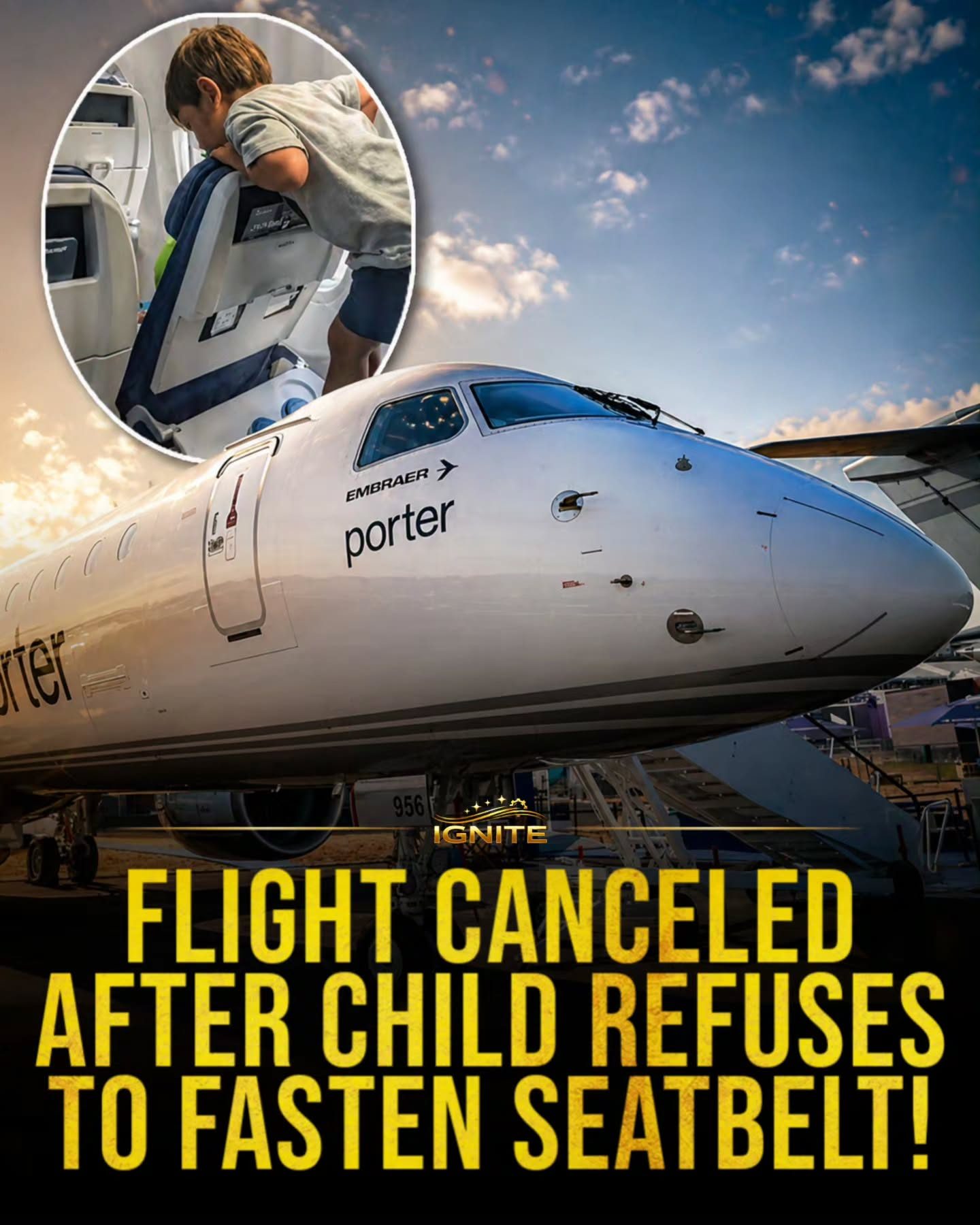
Flight Cancellation of a Porter Airlines Embraer Jet
A recent incident involving a Porter Airlines flight from Victoria to Toronto highlights the complexities of managing flight delays and cancellations. The flight, operated on an Embraer private jet, was canceled due to a young child's refusal to fasten their seatbelt. This disruption not only affected the flight schedule but also led to significant inconveniences for passengers. Understanding the details and the broader implications of such incidents can provide valuable insights into the aviation industry's operational challenges.
Why This Matters
Flight cancellations and delays are not uncommon in the aviation industry, but they can have substantial impacts on both airlines and passengers. Incidents like these underscore the importance of safety protocols and the need for efficient handling of disruptive events. For airlines, managing such situations effectively is crucial for maintaining passenger satisfaction, operational efficiency, and regulatory compliance.
Main Discussion
The Incident
The incident began when a young child onboard the Porter Airlines flight refused to sit down and fasten their seatbelt. Despite efforts from the crew and the child's parent to resolve the issue, the child remained uncooperative. This refusal to comply with safety protocols led to a significant delay, ultimately causing the runway to close for the night. As a result, the flight was canceled, and passengers were left waiting overnight.
Impact on Passengers
The cancellation of the flight had a profound impact on the passengers. Not only were they inconvenienced by the delay, but they were also forced to spend the night at the airport. Porter Airlines responded by offering them another flight the following day, but the disruption was nonetheless significant. Such incidents highlight the importance of clear communication and support for passengers during unexpected events.
Role of Safety Protocols
Safety protocols, including the requirement to fasten seatbelts, are essential for ensuring the well-being of all passengers and crew members. In this case, the child's refusal to comply with these protocols led to a cascading series of events that culminated in a flight cancellation. This underscores the need for stringent enforcement of safety measures and the importance of passenger cooperation in maintaining flight safety.
Operational Challenges
For airlines, managing the fallout from such incidents involves a delicate balance of ensuring passenger safety, maintaining operational efficiency, and adhering to regulatory requirements. The delay caused by the child's refusal to fasten their seatbelt not only disrupted the flight schedule but also led to the closure of the runway. This highlights the challenges airlines face in managing unexpected disruptions and the need for robust contingency plans.
Emotional and Psychological Impact
The experience of being stranded overnight at an airport can be stressful and unsettling for passengers. The emotional and psychological impact of such incidents should not be understated. Airlines must be prepared to handle these situations with empathy and efficiency, providing support and reassurance to affected passengers.
Practical Tips
For Passengers
- Prepare for Delays: Always have a backup plan in case of unexpected delays or cancellations. This could include having a change of clothes, essential medications, and a means of entertainment.
- Stay Informed: Keep an eye on flight updates and communicate openly with airline staff. Expressing any concerns or needs can help ensure you receive the support you need.
- Follow Safety Protocols: Always comply with aviation safety protocols. This not only ensures your safety but also prevents potential disruptions to the flight.
For Airlines
- Enhance Communication: Clear and timely communication with passengers can mitigate the stress and frustration caused by disruptions. Airlines should ensure that passengers are well-informed about any delays or changes.
- Improve Contingency Plans: Develop and regularly update contingency plans to handle unexpected events. This includes having alternate arrangements for passengers and ensuring that staff are well-trained to manage such situations.
- Focus on Passenger Well-being: Provide support and reassurance to passengers during disruptions. This could include offering refreshments, accommodations, and other amenities to make their experience more comfortable.
Important Takeaways
- Safety Protocols: The importance of adhering to safety protocols cannot be overstated. Compliance with these measures is crucial for ensuring the safety of all passengers and crew members.
- Operational Challenges: Managing unexpected disruptions can be challenging for airlines. Having robust contingency plans and efficient communication strategies can help mitigate the impact of such incidents.
- Passenger Support: Providing support and reassurance to passengers during disruptions is essential. Airlines should focus on ensuring passenger well-being and providing clear information about any changes.
Conclusion
The cancellation of a Porter Airlines flight operated by an Embraer private jet due to a child's refusal to fasten their seatbelt highlights the complexities of managing flight disruptions. This incident serves as a reminder of the importance of safety protocols, operational efficiency, and passenger support. By learning from such events, airlines can improve their strategies for handling disruptions and ensuring a smoother experience for passengers. Whether you're a passenger or an airline, understanding the intricacies of flight management can help navigate the challenges of air travel more effectively.
Questions readers ask
What triggered the cancellation of the Porter Airlines flight from Victoria to Toronto?
The flight was canceled due to a young child's refusal to fasten their seatbelt, which is a crucial safety protocol. The incident highlights the challenges airlines face in managing disruptions and ensuring passenger safety.
How do airlines like Porter typically handle situations where a child refuses to comply with safety protocols?
Airlines typically have procedures in place to manage such situations, which may include attempts to reassure the child, involving parents or guardians, and if necessary, removing the passenger from the flight. However, each situation is unique and handled on a case-by-case basis.
What are the broader implications of flight cancellations due to passenger behavior for airlines?
Flight cancellations due to passenger behavior, such as a child refusing to comply with safety protocols, can lead to significant disruptions in flight schedules, financial losses, and inconveniences for all passengers. They also underscore the importance of clear communication of safety protocols.
What should passengers expect if they are traveling with children and encounter similar situations on a Porter Airlines flight?
Passengers traveling with children should expect that safety protocols will be strictly enforced. It is important to prepare children for the flight experience and ensure they understand the importance of following safety instructions. If issues arise, crew members will work to resolve them, but non-compliance may result in removal from the flight.
How do airlines like Porter Airlines manage disruptions caused by unforeseen circumstances, such as the seatbelt refusal incident?
Airlines have specific protocols for managing disruptions, which may include rebooking passengers, compensating affected travelers, and addressing the cause of the disruption. They also prioritize the safety and security of all passengers, which means enforcing safety protocols even if it results in flight delays or cancellations.
Related deep dives
Similar reads based on topic and creator.




Recent articles
Fresh deep dives from the latest Reels we unpacked.




Comments
Be the first to comment.