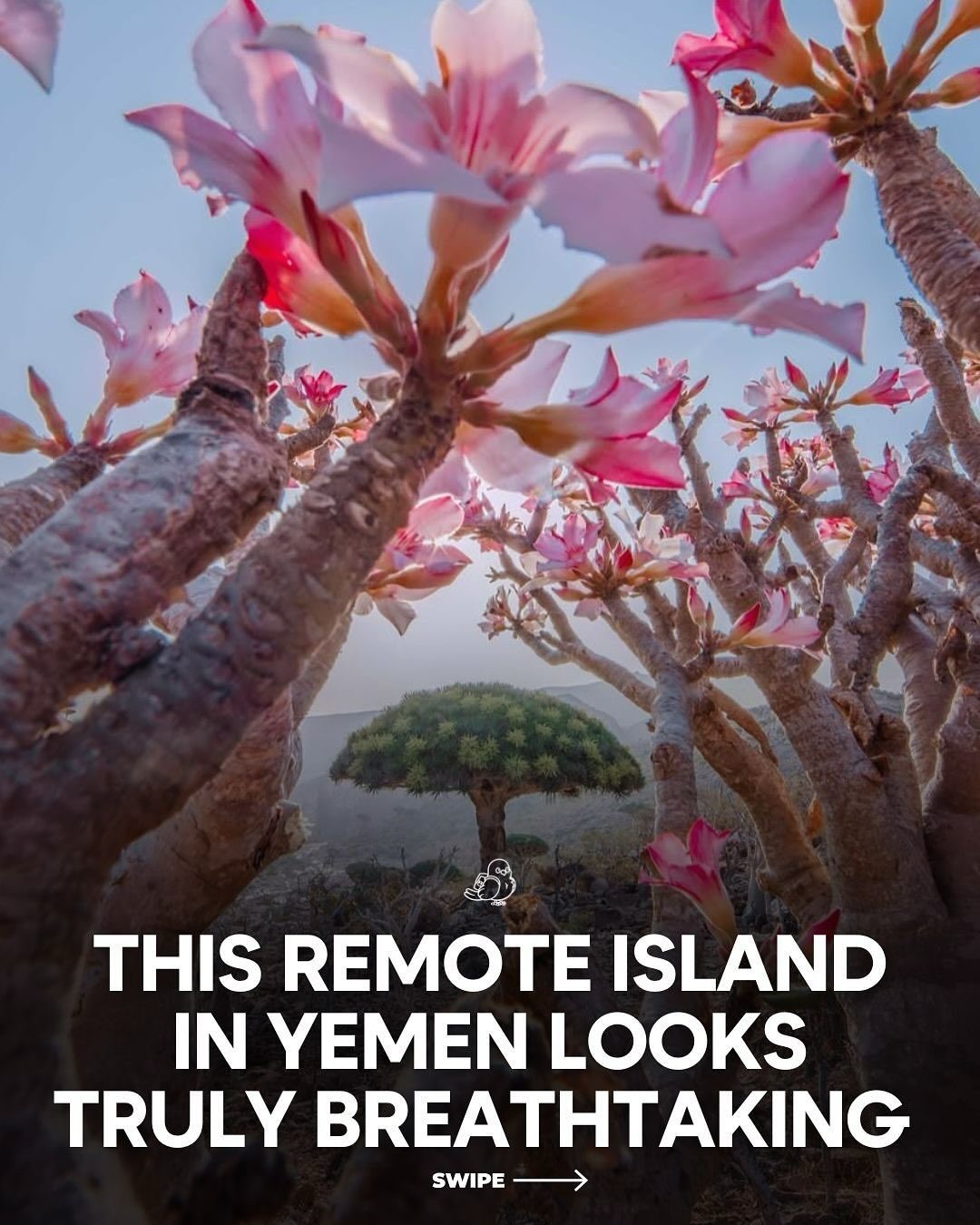
Socotra, Yemen: A Living Museum of Biodiversity
Nestled in the Arabian Sea, Socotra, Yemen, is a remote island that feels like it belongs on another planet. This isolated haven has developed one of the most unique ecosystems on Earth, thanks to millions of years of separation from the mainland. The island is a treasure trove of biodiversity, home to over 825 plant species, with approximately 37% found nowhere else. This includes the legendary Dragon’s Blood Tree, known for its distinctive, umbrella-like shape and red resin that has inspired myths for centuries.
Why This Island Matters
Socotra's isolation has allowed it to develop a truly extraordinary landscape, teeming with life and rich in cultural heritage. The island's rarity is evident from the moment you set foot on its shores. Its plant and animal life are as fascinating as they are fragile, making it a UNESCO World Heritage site. The island’s wildlife is equally as extraordinary, with nearly all its reptiles and land snails being endemic. Beyond its natural wonders, Socotra boasts ancient sites like Hoq Cave, historical inscriptions, and the Detwah Lagoon, a Ramsar wetland that supports rays and endangered birds. The island’s people preserve a unique culture, speaking the endangered Soqotri language and living in harmony with this alien landscape. The island’s remarkable biodiversity and unique cultural heritage make it a place of global significance, deserving of protection.
The Natural Wonders of Socotra
The Dragon’s Blood Tree
One of the most iconic plants on Socotra is the Dragon’s Blood Tree, also known as Dracaena cinnabari. The tree is characterized by its distinctive, umbrella-like crown, which is a visually striking feature of the island’s landscape. The tree’s red resin, known as dragon’s blood, has been used for centuries in various medicines, dyes, and varnishes. The resin’s deep red color has inspired numerous myths and legends, adding a layer of mystique to the island.
Unique Flora and Fauna
Socotra is home to a vast array of unique flora and fauna. The island's isolation has led to the evolution of numerous endemic species, including over 300 plant species found nowhere else in the world. The island’s wildlife is equally as fascinating, with nearly all its reptiles and land snails being endemic. The island is also home to a variety of bird species, some of which are endangered.
Hoq Cave
Hoq Cave is one of the most significant archaeological sites on Socotra. The cave contains ancient inscriptions and rock art that provide insights into the island’s rich history and cultural heritage. The cave is a testament to the island’s long-standing human presence and its unique cultural identity.
The Frailty of Socotra
Despite its natural beauty and historical significance, Socotra faces numerous threats, including climate change and overgrazing. These threats pose a considerable risk to the island's fragile ecosystems, making sustainable tourism essential for its preservation. Visiting Socotra isn’t just a trip—it’s stepping into a living museum of biodiversity. The land is more than a place to visit; it's a sanctuary that needs to be protected for generations to come.
Practical Tips for Visiting Socotra
Visiting Socotra is an exceptional experience, but it requires careful planning. Here are some practical tips to ensure a safe and enjoyable trip:
Best Time to Visit
The best time to visit Socotra is during the cooler months, from October to April. During this period, the weather is pleasant, making it ideal for exploring the island’s natural wonders and cultural sites.
How to Get There
Getting to Socotra can be a bit of a challenge due to its remote location. The most common way to reach the island is by taking a flight from the mainland. International flights usually arrive at Aden International Airport, from where you can take a connecting flight to Socotra. The flight can take up to 4 hours.
Things to Pack
When visiting Socotra, it’s essential to be well-prepared. Pack light, comfortable clothing, sturdy hiking shoes, and plenty of water. Also, don’t forget a good pair of binoculars for spotting the island’s unique wildlife and a camera to capture the stunning landscapes.
Important Takeaways
When visiting Socotra, it’s crucial to remember the importance of sustainable tourism. The island’s fragile ecosystems and unique cultural heritage are precious resources that need to be protected for future generations. By following these guidelines, visitors can help preserve Socotra’s natural wonders and contribute to its conservation.
Conclusion
Socotra, Yemen, is a living museum of biodiversity, a place where nature and culture coexist in harmony. Its unique ecosystems, ancient sites, and endangered species make it a global treasure. By visiting the island with a sense of wonder and responsibility, we can help preserve its fragile beauty for generations to come. Whether it’s the awe-inspiring Dragon’s Blood Tree, the diverse wildlife, or the ancient sites like Hoq Cave, Socotra offers an unforgettable experience that is both humbling and inspiring.
Questions readers ask
What makes Socotra Island unique compared to other Arabian Sea islands?
Socotra Island stands out due to its extraordinary biodiversity and otherworldly landscapes. With over 825 plant species and many endemic to the island, it's a living museum of plant life. Its distinctive landscape is the result of millions of years of isolation.
Why is the Dragon’s Blood Tree so famous on Socotra Island?
The Dragon’s Blood Tree is iconic for its unique, umbrella-like shape and the red resin that flows from its bark. This resin has inspired numerous myths and has been used for various purposes, including medicine and dye, throughout history.
What kind of wildlife can be found on Socotra Island?
Socotra is home to a wealth of unique wildlife, much of which is endemic to the island. This includes various species of birds, reptiles, and even endemic insects and spiders which can be found in the island's diverse habitats.
How has Socotra's isolation influenced its biodiversity?
The island's long period of isolation has led to the evolution of species unlike those found anywhere else. This has resulted in a high degree of endemism, with approximately 37% of its plant species being unique to Socotra.
What is the best way to explore Socotra's unique biodiversity and landscapes?
The best way to explore Socotra is by combining hiking and island backpacking. This allows visitors to traverse the island’s diverse terrains, from coastal areas to mountainous regions, and encounter its unique flora and fauna firsthand.
What precautions should travelers take when visiting Socotra Island?
Travelers to Socotra should be prepared for remote island travel. This includes bringing necessary supplies, respecting local traditions and the environment. Additionally, visitors should be aware of the potential for changing weather conditions which can affect travel.
Related deep dives
Similar reads based on topic and creator.




Recent articles
Fresh deep dives from the latest Reels we unpacked.



Comments
Be the first to comment.