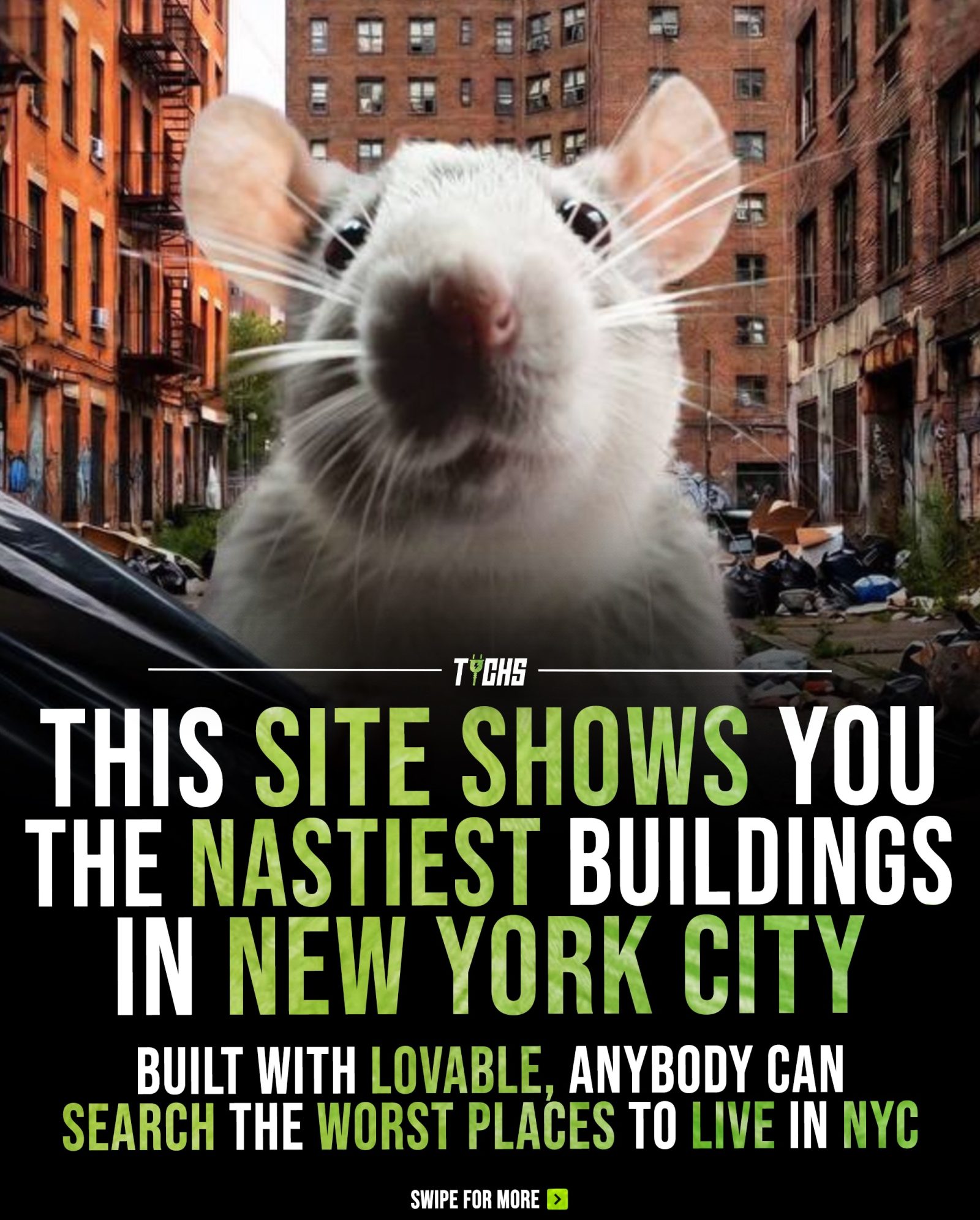
NYC's Worst Buildings
New York City is renowned for its iconic architecture, but not all buildings in the city are up to par. Some buildings have significant issues, making them the worst places to live in NYC. These buildings are plagued by hazardous conditions, including mice, mold, roaches, and lack of heat. For renters, uncovering these hidden problems can be challenging, but tools and apps like NYC Stoops are making this process easier.
Why This Matters
Knowing the worst buildings in NYC is crucial for anyone looking to rent an apartment. Living in a building with hazardous conditions can lead to health issues and discomfort. Moreover, understanding the extent of violations in certain buildings can help potential tenants make informed decisions and avoid problematic living situations.
Key Issues in NYC's Worst Buildings
Hazardous Conditions
Buildings with the worst scores often have "immediately hazardous conditions" and multiple violations. These conditions can range from minor issues to serious health hazards. For example, 68-12 Yellowstone Blvd is notorious for problems like mice, mold, roaches, and lack of heat. These issues not only affect the comfort of the residents but also pose significant health risks.
Multiple Violations
Buildings with multiple violations are a common sight in NYC. These violations can include anything from structural issues to health code infractions. For instance, some buildings may have mold infestations that can lead to respiratory problems, or pest infestations that can cause allergies and other health issues.
Lack of Heat
One of the most pressing issues in NYC's worst buildings is the lack of heat. This problem is particularly concerning during the winter months, as it can lead to hypothermia and other health issues. It is unacceptable for residents to live in buildings where basic amenities like heat are not provided.
Mold and Pest Infestations
Mold and pest infestations are prevalent in many of the worst buildings in NYC. Mold can cause respiratory problems and allergies, while pests like mice and roaches can spread diseases and exacerbate health issues. These infestations not only affect the comfort and well-being of the residents but also create a hazardous living environment.
Practical Tips for Renters
Finding a safe and comfortable place to live in NYC can be challenging, but there are practical steps renters can take to avoid the worst buildings.
Research and Verify
Before moving into a new building, do thorough research. Check online reviews, speak with current or former tenants, and verify the building's maintenance records. This way, you can get a sense of any potential issues.
Use Available Tools
Tools and apps like NYC Stoops can be incredibly helpful. These platforms aggregate public data to provide insights into the conditions of various buildings in NYC. Using such tools can save you time and help you avoid problematic buildings.
Inspect the Property
Always inspect the property yourself before signing a lease. Look for signs of mold, pest infestations, and other issues. If possible, bring a professional to conduct a thorough inspection.
Check for Violations
Review the building's violation history. Many buildings with hazardous conditions have a history of violations. This information is often available through public records or online databases.
Consider the Neighborhood
The neighborhood can also impact the condition of the building. Some areas in NYC are known for having better-maintained buildings and lower crime rates. Researching the neighborhood can help you make a more informed decision.
Important Takeaways
Living in NYC's worst buildings can have serious consequences on your health and well-being. It is essential to be proactive in your search for a new apartment and to use available tools to uncover hidden problems. By researching and verifying, using tools like NYC Stoops, inspecting the property, checking for violations, and considering the neighborhood, you can avoid the worst buildings and find a safe and comfortable place to live.
Conclusion
Uncovering the worst buildings in NYC is crucial for anyone looking to rent an apartment. By understanding the key issues and taking practical steps, you can make informed decisions and avoid problematic living situations. Tools and apps like NYC Stoops, along with thorough research and inspections, can help renters find safe and comfortable places to live in the city.
Questions readers ask
How can I find out if a building in NYC has a history of hazardous conditions?
You can use tools and apps like NYC Stoops to uncover a building's history of hazardous conditions. These resources provide insights into violations and issues reported by previous tenants, helping you make an informed decision.
What are the most common hazards found in the worst buildings in NYC?
The most common hazards include mold, pest infestations such as mice and roaches, and lack of heat. These issues can pose significant health risks and discomfort for residents.
Why are moldy buildings a concern in NYC?
Moldy buildings can lead to various health issues, including respiratory problems and allergies. They can also indicate other underlying problems, such as water leaks or poor ventilation, making them a serious concern for tenants.
How can I check if an apartment in NYC has no heat?
To check if an apartment has a history of heat issues, you can look up the building's violations using NYC's open data portal or apps designed to track such issues. Additionally, you can ask the landlord for maintenance records and inquire with current or former tenants.
What should I do if I suspect my apartment has health hazards?
If you suspect your apartment has health hazards, document the issues with photos and reports. Then, report them to your landlord and the NYC Department of Housing Preservation and Development (HPD). Keep a record of all communications and follow up on any inspections or repairs.
What steps can I take to avoid renting an unsafe apartment in NYC?
Research the building's history using available tools and apps. Conduct thorough inspections of the apartment, and check for signs of mold, pests, or other issues. Additionally, verify that the landlord has addressed any past violations and ask about maintenance practices.
Are there any regulations in NYC that protect renters from hazardous living conditions?
Yes, NYC has regulations in place to protect renters from hazardous living conditions. The Department of Housing Preservation and Development (HPD) enforces codes and conducts inspections to ensure buildings are safe and habitable. Tenants have the right to report violations and demand repairs.
Recent articles
Fresh deep dives from the latest Reels we unpacked.




Comments
Be the first to comment.