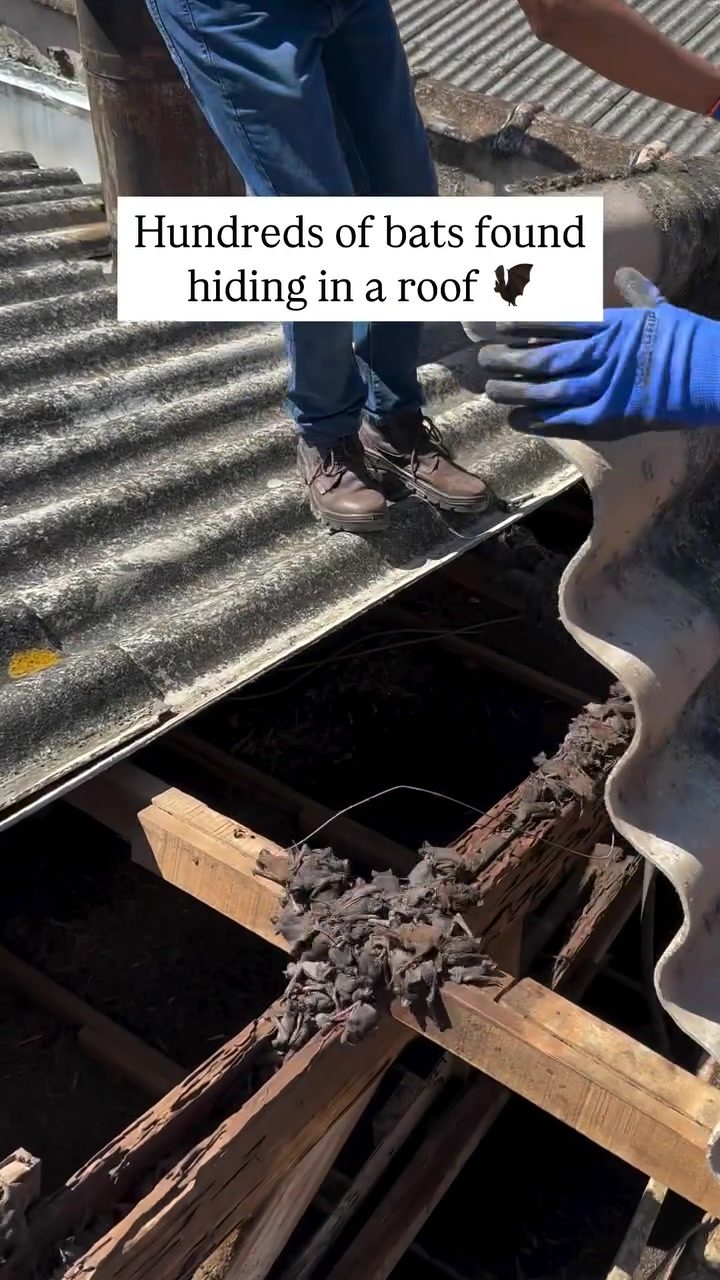
Bat Infestations: Understanding and Addressing the Problem
Bat infestations, while not uncommon, can be alarming and disruptive. The sight of hundreds of bats huddled together in a confined space, such as a roof, highlights the scale of the issue and the need for effective pest control or wildlife removal strategies.
Why This Matters
Bat infestations are more than just unsettling; they can pose significant health risks and structural damage. Bats are known carriers of diseases like rabies and histoplasmosis, which can be harmful to humans and pets. Additionally, their droppings, known as guano, can cause property damage and create unpleasant odors. Understanding the signs of a bat infestation and knowing how to address it is crucial for maintaining a safe and healthy environment.
The Extent of the Problem
Appearance and Behavior Bats are nocturnal creatures, so their presence is often detected by the sounds of scratching or squeaking, particularly at night. Physical signs include visible bats entering or exiting the property, usually through small openings. Their droppings, which are small, dark, and pellet-shaped, can also be found in areas where bats congregate, often leading to a musty smell.
Entry Points Bats can enter buildings through very small openings, including gaps in roofing, chimneys, and vents. They are particularly attracted to warm, dark spaces, making attics and roof cavities ideal hiding spots. These areas provide bats with shelter and protection, which can lead to large colonies forming over time.
Main Discussion
Identifying a Bat Infestation
Visual Cues One of the most telling signs of a bat infestation is the sight of bats entering or exiting a structure. This behavior is often observed at dusk and dawn, as bats emerge to feed and return to their roosts. Seeing hundreds of bats in one place, as depicted, is a clear indication of a significant infestation.
Nesting Materials Bat droppings and nesting materials are often left behind in areas where bats roost. These can include guano, as well as fragments of their fur and insect remains. The accumulation of these materials can create unsanitary conditions and produce a strong, musty odor.
Practical Tips
Prevention
Sealing Entry Points One of the most effective ways to prevent a bat infestation is to seal off potential entry points. This includes repairing any holes or gaps in the roof, walls, and foundation. Using caulk, mesh, or other sealants can help keep bats out. Ensure that all chimneys, vents, and attic openings are properly screened.
Regular Inspections Conducting regular inspections of your property can help detect early signs of a bat infestation. Pay particular attention to areas where bats are known to roost, such as attics, roof cavities, and chimneys. Look for signs of bat activity, such as droppings, nesting materials, and physical damage to the structure.
Control
Professional Removal If a bat infestation is detected, it's crucial to address the issue promptly and humanely. Professional pest control services specialize in the safe and humane removal of bats. They have the necessary equipment and expertise to locate and seal off entry points, ensuring that bats are not able to re-enter the building.
Exclusion Methods Exclusion methods involve installing one-way exclusion devices at entry points, allowing bats to leave the structure but preventing them from re-entering. This method is often used in conjunction with professional removal services. It’s essential to ensure that all bats have exited the building before sealing off the entry points to prevent trapping any bats inside.
Important Takeaways
Addressing bat infestations requires a combination of prevention, detection, and effective control methods. By understanding the signs of a bat infestation and taking proactive measures, property owners can maintain a safe and healthy environment.
Regular inspections and prompt action are key to preventing the buildup of bat populations, which can lead to significant health and structural issues. Professional pest control services offer specialized knowledge and equipment to handle bat infestations humanely and effectively.
Conclusion
Bat infestations, while alarming, can be effectively managed with the right knowledge and tools. By recognizing the signs of a bat infestation and taking proactive measures, property owners can mitigate potential risks and maintain a safe and healthy environment. Whether through DIY prevention methods or professional pest control services, addressing bat infestations promptly and humanely is crucial for the well-being of both the property and its occupants.
Questions readers ask
What are the signs of a bat infestation in my home?
Signs of a bat infestation include unusual noises in the attic or walls, especially at night, the presence of bat droppings (guano) around the home, and finding bats exiting or entering your property through small openings. If you notice any of these indicators, it's essential to address the issue promptly.
What diseases can bats transmit to humans and pets?
Bats can carry several diseases that pose risks to humans and pets, including rabies and histoplasmosis. Rabies is a viral disease that can be fatal if left untreated, while histoplasmosis is a fungal infection that can cause respiratory issues. Keeping a safe distance from bats and avoiding direct contact is crucial for prevention.
How can I prevent bats from entering my home?
Preventing bat entry involves sealing any potential entry points, such as gaps in the roof, walls, or chimneys. Installing bat-proofing materials like mesh or caulk can also effectively deter bats. Regularly inspecting your property for signs of bats and maintaining good home hygiene can help prevent infestations.
What should I do if I find bats in my roof?
If you discover bats in your roof, it's important to contact bat removal services immediately. Do not attempt to remove the bats yourself, as this can be dangerous and may not effectively resolve the problem. Professionals can safely and humanely remove the bats and implement exclusion methods to prevent future infestations.
Can bats cause structural damage to my property?
Yes, bats can cause significant structural damage to your property. Their droppings, known as guano, can accumulate and create unpleasant odors, as well as cause property damage over time. Additionally, bats may chew through materials like insulation and wiring, posing fire hazards and weakening the structural integrity of your home.
What is the difference between bat removal and pigeon removal?
Bat removal and pigeon removal involve different strategies and methods. Bat removal typically requires specialized exclusion techniques to prevent re-entry, as bats can squeeze through very small spaces. In contrast, pigeon removal may involve more straightforward methods like installing netting or spikes to deter their landing and roosting. Contacting a professional service is recommended for both types of infestations.
Recent articles
Fresh deep dives from the latest Reels we unpacked.




Comments
Be the first to comment.