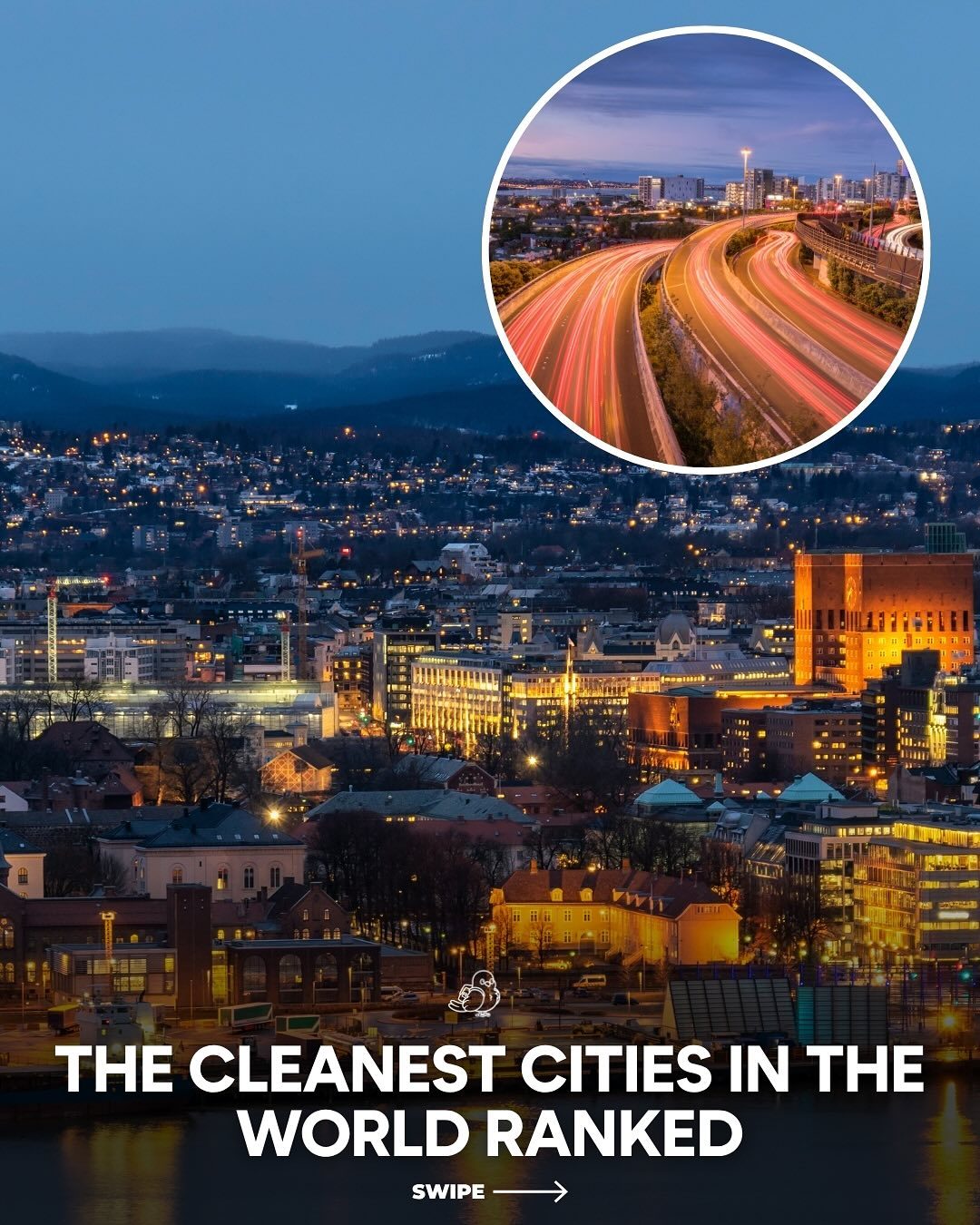
The Cleanest Cities in the World
Cleanliness and sustainability are increasingly important factors when choosing where to live or travel. The Mercer Eco-City ranking provides a comprehensive look at the world's cleanest cities, evaluating them based on essential factors such as quality of drinking water, recycling and waste treatment, wastewater system efficiency, air pollution levels, and traffic flow and congestion.
Tokyo, Japan, is ranked 7th, while Helsinki, Finland, takes the 4th spot on the list. These rankings reflect not just the aesthetic appeal of these cities, but also their commitment to sustainability and quality of life.
Why This Matters
Understanding which cities are the cleanest can help travelers make informed decisions about where to visit. It can also inspire municipalities and urban planners worldwide to adopt best practices from these top-ranked cities. Cleaner cities offer more than just pleasant environments; they provide a higher quality of life with reduced health risks and improved overall well-being.
Ranking Criteria
Cleanliness and sustainability are multidimensional concepts. The Mercer Eco-City ranking takes several crucial factors into account:
Quality and Availability of Drinking Water
Access to clean drinking water is a fundamental aspect of any city's infrastructure. Cities with reliable, high-quality water sources are better equipped to support their residents' health and well-being.
Recycling and Waste Treatment
Efficient recycling and waste treatment systems are vital for maintaining a clean urban environment. These systems help reduce pollution, conserve resources, and minimize the impact on local ecosystems.
Wastewater System Efficiency
The efficiency of a city's wastewater system is another critical factor. Effective wastewater treatment ensures that water used in households and industries is properly treated before being released back into the environment, reducing the risk of waterborne diseases and environmental contamination.
Air Pollution Levels
Air quality is a significant concern in many cities. Those with lower air pollution levels offer a healthier living environment, reducing respiratory issues and other health problems related to poor air quality.
Traffic Flow and Congestion
Efficient traffic management and reduced congestion not only improve the daily commute but also contribute to lower air pollution levels. Cities with well-planned transportation systems are generally more sustainable and livable.
Tokyo, Japan
Tokyo, Japan, ranked 7th on the list, is known for its impeccable cleanliness and exceptional public services. The city boasts a highly efficient public transportation system, which significantly reduces traffic congestion and air pollution. Tokyo’s commitment to sustainability is evident in its advanced recycling and waste treatment systems, ensuring that waste is managed responsibly and recycled where possible.
Public Transportation and Urban Planning
Tokyo's extensive and efficient public transportation system is a key factor in its high ranking. The city is renowned for its vast network of trains, buses, and subways, which are not only convenient but also environmentally friendly. This reduces the need for private vehicles, lowering both traffic congestion and air pollution.
Recycling and Waste Management
Tokyo places a strong emphasis on recycling and waste management. The city has implemented various programs to encourage residents to recycle and reduce waste. For instance, households often sort their waste into multiple categories, including recyclables, organic waste, and general trash, which are then collected and processed accordingly.
Air Quality and Green Spaces
Despite being one of the most densely populated cities in the world, Tokyo has made significant strides in maintaining good air quality. The city has numerous green spaces, from small parks to large recreational areas, which help to mitigate air pollution and provide residents with places to relax and enjoy nature.
Helsinki, Finland
Helsinki, Finland, comes in at 4th place, showcasing a strong commitment to sustainability and environmental stewardship. This city is known for its green spaces, efficient public transportation, and stringent environmental regulations.
Green Spaces and Urban Design
Helsinki is often referred to as the "City of Parks" due to its abundant green spaces. The city's urban design prioritizes the integration of nature into the urban landscape, providing residents with easy access to parks, forests, and waterways. This not only enhances the city's aesthetic appeal but also contributes to its cleanliness and sustainability.
Public Transportation and Cycling
Helsinki is a leader in sustainable transportation. The city has an extensive network of public transportation, including buses, trams, and ferries, all of which are designed to be efficient and environmentally friendly. Additionally, Helsinki is known for its bike-friendly infrastructure, with numerous bike lanes and cycling paths, which further reduces the need for motor vehicles.
Recycling and Waste Management
Helsinki has a highly effective recycling and waste management system. The city emphasizes the importance of recycling and composting, with residents sorting their waste into different categories for collection. This system ensures that as much waste as possible is recycled or composted, reducing the amount of waste sent to landfills.
Energy and Sustainability
Helsinki is also committed to renewable energy sources. The city has set ambitious goals to reduce its carbon footprint, including increasing the use of solar and wind power. Helsinki's continued efforts in energy efficiency and sustainability make it a model for other cities around the world.
Practical Tips for Travelers
When visiting clean cities, travelers can do their part to help maintain their cleanliness and sustainability. Here are some practical tips:
Use Public Transportation
Whenever possible, use public transportation or walk to explore the city. This not only reduces your carbon footprint but also allows you to experience the local culture more intimately.
Recycle and Dispose of Waste Properly
Follow local recycling guidelines and dispose of waste in designated bins. Many cities, including Tokyo and Helsinki, have detailed recycling programs that help keep the city clean.
Respect Green Spaces
Enjoy the green spaces responsibly. Use designated paths, avoid littering, and be mindful of local wildlife and plants. This helps preserve the natural beauty of these areas for future visitors and residents.
Important Takeaways
Cities like Tokyo and Helsinki demonstrate that cleanliness and sustainability go hand in hand. Their success in these areas is a testament to thoughtful urban planning, efficient public services, and a strong commitment to environmental stewardship. By understanding and emulating the practices of these top-ranked cities, other municipalities can improve their own sustainability efforts and enhance the quality of life for their residents.
Conclusion
The ranking of the cleanest cities in the world highlights the importance of sustainability and environmental responsibility. Cities like Tokyo and Helsinki set a high standard for urban living, showcasing how effective planning, efficient waste management, and a commitment to cleanliness can create a healthier, more livable environment. Whether you're a traveler or a resident, appreciating and supporting these efforts can make a significant difference in maintaining and improving the quality of life in urban areas.
Questions readers ask
How is the cleanliness of a city measured in the Mercer Eco-City ranking?
The ranking assesses cities based on several key factors, including the quality of drinking water, the efficiency of recycling and waste treatment processes, the performance of wastewater systems, and the levels of air pollution. Additionally, it evaluates traffic flow and congestion, providing a holistic view of a city's cleanliness and sustainability.
Which factors contribute to Tokyo's high ranking as one of the cleanest cities in the world?
Tokyo's high ranking is attributed to its excellent drinking water quality, advanced waste management systems, and efficient wastewater treatment. The city also has lower than average air pollution levels and effective traffic management to reduce congestion.
What makes Helsinki a notable entry in the list of the world's cleanest cities?
Helsinki stands out for its exceptional commitment to sustainability and high quality of life. The city excels in waste management, maintains high standards for drinking water, and implements effective measures to control air pollution, contributing to its reputation as one of the cleanest cities globally.
How can knowing the world ranking of clean cities benefit travelers?
Travelers can use this information to choose destinations that prioritize cleanliness and sustainability, ensuring a healthier and more pleasant experience. It also enables visitors to support cities that are making significant strides in environmental efforts.
Which cities top the list of the best air quality cities in the world?
While the article does not provide a specific list, cities that rank high in the Mercer Eco-City list, such as Helsinki and Tokyo, are known for their effective measures in controlling air pollution, making them excellent choices for those seeking clean air.
What are some of the key benefits of living in one of the top sustainable cities?
Residents of these cities enjoy better health due to improved air and water quality, reduced traffic congestion, and effective waste management. Moreover, living in a sustainable city often means having access to greener spaces and a higher quality of life overall.
Are there any Japanese cities other than Tokyo that are recognized for their cleanliness?
While Tokyo is the most well-known, other Japanese cities like Kyoto and Yokohama are also recognized for their cleanliness and sustainability efforts. These cities are known for their efficient waste management systems and commitment to maintaining a clean environment.
Related deep dives
Similar reads based on topic and creator.




Recent articles
Fresh deep dives from the latest Reels we unpacked.




Comments
Be the first to comment.