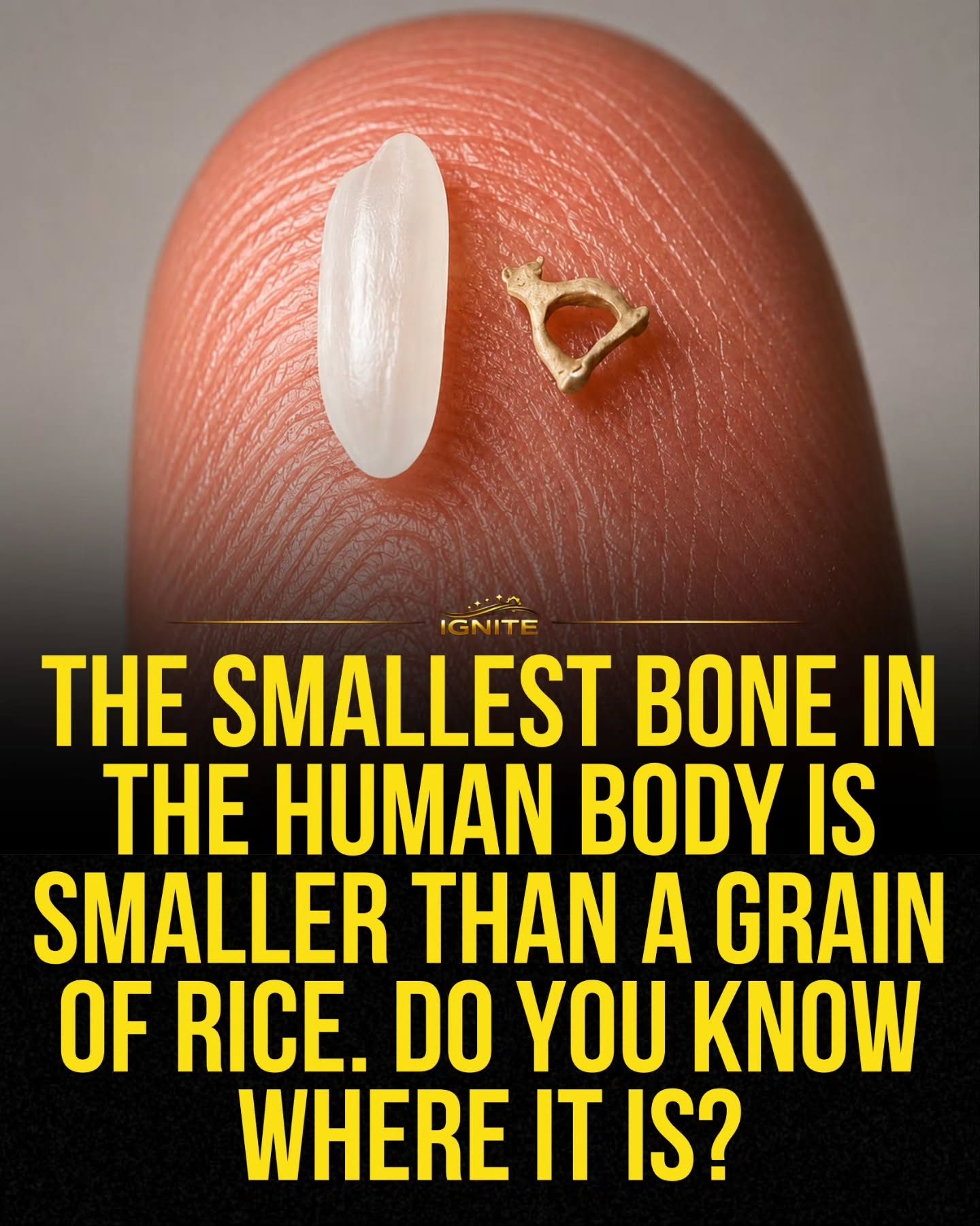
The Smallest Bone in the Human Body
The smallest bone in the human body is a fascinating subject that often sparks curiosity. This tiny structure is so small that it is even smaller than a grain of rice. Located in the ear, this bone plays a crucial role in our ability to hear. Let's dive into the details of this remarkable part of the human anatomy.
Why This Matters
Understanding the smallest bone in the human body offers insight into the intricate design of our auditory system. This knowledge can be particularly useful for professionals in the fields of medicine, biology, and anatomy. Additionally, it provides a deeper appreciation for the complexity and precision of the human body.
Anatomy and Function
The Stapes
The smallest bone in the human body is called the stapes. The stapes is one of the three tiny bones, known as the ossicles, located in the middle ear. The other two bones are the malleus (hammer) and the incus (anvil). These bones work together to transmit sound vibrations from the eardrum to the inner ear, where they are converted into electrical signals sent to the brain.
Location and Size
The stapes is situated in the middle ear, just below the eardrum. Its size is astonishing, measuring only about 2.5 to 3 millimeters in length and 1.5 to 2 millimeters in width. This makes it not only the smallest bone in the human body but also one of the smallest bones in the entire animal kingdom.
Structure and Design
The stapes has a unique structure that resembles a stirrup, which is why it is also known as the stirrup bone. This shape allows it to fit perfectly within the oval window of the inner ear, facilitating the efficient transmission of sound vibrations. The stapes consists of three main parts: the head, the neck, and the footplate. The head attaches to the incus, the neck is the narrowest part, and the footplate is the base that fits into the oval window.
The Role of the Stapes in Hearing
The stapes plays a crucial role in the process of hearing. When sound waves enter the outer ear and reach the eardrum, they cause the eardrum to vibrate. These vibrations are then transmitted to the malleus, which in turn vibrates the incus. The incus then passes these vibrations to the stapes. The stapes, with its footplate, amplifies these vibrations and transmits them to the fluid-filled inner ear. This fluid then converts the vibrations into electrical signals that travel along the auditory nerve to the brain, where they are interpreted as sound.
Practical Tips for Understanding the Ear and Hearing
While the stapes is the smallest bone in the human body, it is part of a complex system that includes the outer, middle, and inner ear. Here are some practical tips for understanding and maintaining good hearing health:
Regular Ear Check-Ups
Regular ear check-ups with a healthcare professional can help identify any issues with the ear, including problems with the ossicles. Early detection and treatment of any issues can prevent hearing loss and other complications.
Protect Your Ears
Exposure to loud noises can damage the delicate structures of the ear, including the stapes. Always wear ear protection in noisy environments, such as during concerts, construction work, or while using power tools. This can help preserve your hearing and protect the health of your ear bones.
Maintain a Healthy Lifestyle
A healthy lifestyle that includes a balanced diet, regular exercise, and adequate sleep can support overall health, including the health of your ear bones. Certain nutrients, such as zinc and vitamin B12, are essential for good hearing health. It's recommended to discuss any health-related concerns with a healthcare professional.
Recognize the Signs of Ear Issues
Recognizing the signs of ear issues can help you seek timely treatment. Symptoms such as pain, pressure, or drainage from the ear, as well as hearing loss or ringing in the ears (tinnitus), should be evaluated by a healthcare professional. These symptoms can indicate problems with the ear bones, including the stapes.
Important Takeaways
The smallest bone in the human body, the stapes, is a vital component of the auditory system. Its small size and unique shape allow it to efficiently transmit sound vibrations from the eardrum to the inner ear, where they are converted into electrical signals and sent to the brain. Understanding the structure and function of the stapes can provide valuable insights into the complexity and precision of the human body, particularly the ear and the process of hearing.
Regular ear check-ups, protecting your ears from loud noises, maintaining a healthy lifestyle, and recognizing the signs of ear issues are essential for maintaining good hearing health. By taking these steps, you can help preserve the health of your ear bones, including the stapes, and enjoy clear, accurate hearing for years to come.
Conclusion
The smallest bone in the human body, the stapes, is a remarkable example of the intricate design of our auditory system. Its small size and unique shape play a crucial role in transmitting sound vibrations to the inner ear, where they are converted into electrical signals and sent to the brain. By understanding the anatomy and function of the stapes, we can gain a deeper appreciation for the complexity and precision of the human body.
Questions readers ask
What is the name of the smallest bone in the human body?
The smallest bone in the human body is called the stapes. It is one of the three tiny bones, also known as ossicles, located in the middle ear.
Where is the stapes bone located?
The stapes bone is located in the middle ear. It is positioned between the incus and the oval window of the cochlea, which is part of the inner ear.
Why is the stapes bone important for hearing?
The stapes bone plays a crucial role in the hearing process by helping to transmit sound vibrations from the outer ear to the inner ear. It amplifies the sound waves, making them more effective in stimulating the auditory nerve.
How does the size of the stapes bone compare to everyday objects?
The stapes bone is incredibly small, approximately the size of a grain of rice. Its tiny dimensions are remarkable considering its significant role in the human auditory system.
What are the three tiny bones in the ear, and what is the function of each?
The three tiny bones in the ear are the malleus, incus, and stapes. Together, they form a chain that transmits sound vibrations from the eardrum to the inner ear. The malleus, or hammer, is attached to the eardrum. The incus, or anvil, is in the middle, and the stapes, or stirrup, is the smallest and transmits vibrations to the oval window of the cochlea.
Can the stapes bone be seen without special equipment?
Due to its small size, the stapes bone cannot be seen with the naked eye. To view this tiny structure, special equipment such as an otoscope or a microscope is typically required.
Related deep dives
Similar reads based on topic and creator.


Recent articles
Fresh deep dives from the latest Reels we unpacked.




Comments
Be the first to comment.