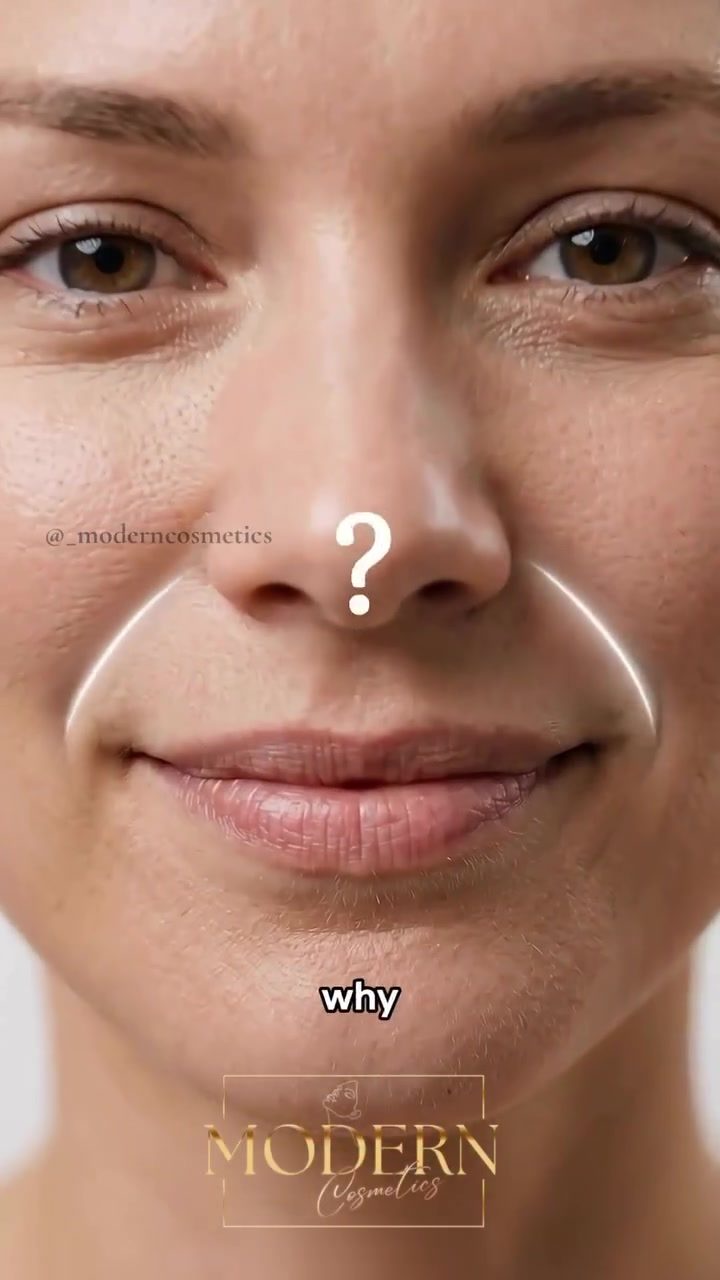
Facial Treatment and the Science Behind Smile Lines
Smile lines, those subtle wrinkles that form around the mouth and nose, are a natural part of aging. But have you ever wondered why they form and what causes them to become more pronounced over time? Understanding the underlying factors can help in making informed decisions about facial treatments and skin care.
What Causes Smile Lines?
Smile lines, also known as nasolabial folds, are not simply the result of repeated facial movements like smiling. While smiling does cause the skin to fold, these lines are more complex. Over time, the skin's structural support—including collagen, elastin, and facial fat—changes due to the natural aging process. This gradual deterioration makes it harder for the skin to bounce back to its original position after being stretched or folded, thus making smile lines more noticeable.
The Role of Collagen and Elastin
Collagen and elastin are two essential proteins that provide the skin with its structure and elasticity. Collagen gives the skin its firmness, while elastin allows it to stretch and return to its original shape. As we age, the body produces less of these proteins, and the existing ones become damaged. This loss of collagen and elastin, combined with the repeated folding of the skin during facial movements, contributes to the formation of smile lines.
Facial Fat and Structural Support
Facial fat plays a crucial role in maintaining the skin's youthful appearance. As we age, facial fat can redistribute or decrease, leading to a loss of structural support. This loss of support, combined with the natural folding of the skin during facial expressions, exacerbates the appearance of smile lines. The skin becomes less able to return to its previous position, making the lines more pronounced.
Facial Treatments and Smile Lines
Facial treatments can be an effective way to address smile lines. Modern facial treatments often focus on boosting collagen and elastin production, as well as restoring facial volume. These treatments can help reduce the appearance of smile lines and improve overall skin texture and tone.
Types of Facial Treatments
There are various facial treatments available, each targeting different aspects of skin aging. Some popular options include:
- Chemical Peels: These treatments use acids to exfoliate the skin, stimulating the production of new collagen and elastin. Chemical peels can help reduce the appearance of fine lines and wrinkles, including smile lines.
- Microneedling: This procedure involves creating tiny punctures in the skin using a device with fine needles. The micro-injuries stimulate the body's natural healing response, promoting collagen production and improving skin elasticity.
- Filler Injections: Injectable fillers, such as hyaluronic acid, can be used to plump up the skin and fill in smile lines. These treatments provide immediate results and can last for several months, depending on the type of filler used.
- Laser Resurfacing: Lasers can be used to target specific areas of the skin, stimulating collagen production and tightening the skin. Laser resurfacing can help reduce the appearance of smile lines and improve overall skin texture.
Practical Tips for Managing Smile Lines
While facial treatments can be effective, there are also several practical tips you can follow to manage smile lines and maintain youthful skin:
Daily Skincare
A consistent skincare routine can help maintain the skin's health and reduce the appearance of smile lines. Key steps include:
- Cleansing: Use a gentle cleanser to remove dirt, oil, and makeup.
- Moisturizing: Apply a moisturizer to keep the skin hydrated. Look for products that contain hyaluronic acid, which can help plump the skin.
- Sun Protection: Use sunscreen daily to protect the skin from UV damage, which can accelerate aging and worsen smile lines.
- Retinol: Incorporate retinol into your skincare routine. Retinol, a vitamin A derivative, can stimulate collagen production and improve skin elasticity.
Lifestyle Choices
Certain lifestyle choices can also impact the health of your skin and the formation of smile lines:
- Hydration: Drink plenty of water to keep your skin hydrated from the inside out.
- Diet: Eat a balanced diet rich in fruits, vegetables, and lean proteins. Foods high in antioxidants can help protect the skin from damage.
- Sleep: Get enough restful sleep. During sleep, the body produces growth hormones that help repair and regenerate skin cells.
- Avoid Smoking: Smoking can accelerate skin aging by damaging collagen and elastin. Quitting smoking can help improve skin health and reduce the appearance of wrinkles.
Understanding Personalized Consultations
Every face ages differently, and what works for one person may not be suitable for another. A personalized consultation with a skincare professional can help you understand your unique skin concerns and develop a tailored treatment plan. During a consultation, a skincare professional will assess your skin's condition, discuss your goals, and recommend suitable treatments and products.
What to Expect During a Consultation
- Skin Assessment: The professional will examine your skin, looking for signs of aging, such as wrinkles, fine lines, and loss of elasticity.
- Discussion of Goals: You'll discuss your skincare goals and any concerns you have about your skin.
- Treatment Recommendations: Based on your assessment and goals, the professional will recommend a customized treatment plan that may include facial treatments, skincare products, and lifestyle advice.
Important Takeaways
Smile lines are a natural part of aging, but understanding the underlying factors can help you manage and reduce their appearance. Key points to remember include:
- Smile lines are caused by a combination of facial movements and natural changes in skin and facial support.
- Collagen, elastin, and facial fat play crucial roles in maintaining skin elasticity and structure.
- Facial treatments, such as chemical peels, microneedling, filler injections, and laser resurfacing, can help reduce the appearance of smile lines.
- A consistent skincare routine, healthy lifestyle choices, and personalized consultations can all contribute to managing smile lines and maintaining youthful skin.
Conclusion
Smile lines are a natural part of the aging process, but understanding their causes and available treatments can help you maintain a youthful appearance. By adopting a consistent skincare routine, making healthy lifestyle choices, and considering personalized facial treatments, you can effectively manage smile lines and keep your skin looking its best.
Questions readers ask
What exactly are smile lines and why are they called nasolabial folds?
Smile lines are the subtle wrinkles that form around the mouth and nose, often more pronounced with age. They are called nasolabial folds because they run from the sides of the nose to the corners of the mouth, forming a line that can deepen over time.
How does the natural aging process contribute to the formation of smile lines?
As we age, our skin produces less collagen and elastin, proteins that provide structural support and elasticity. Additionally, facial fat diminishes, leading to less volume in the cheeks and under the eyes. These changes make it harder for the skin to spring back after facial movements, allowing smile lines to become more visible and pronounced.
Can smile lines be prevented through skin care routines?
While smile lines are a natural part of aging and cannot be entirely prevented, maintaining a consistent skin care routine can help minimize their appearance. Regular use of moisturizers, sunscreen, and products containing retinoids or peptides can help improve skin texture and boost collagen production, making skin more resilient against wrinkles.
What role do facial treatments play in addressing smile lines?
Facial treatments like dermal fillers, chemical peels, and laser resurfacing can help reduce the appearance of smile lines. These treatments work by stimulating collagen production, adding volume to the face, or removing damaged skin cells. Consulting with a skin care professional can help determine the best treatment options based on individual needs and the severity of smile lines.
Are there any non-invasive treatments for smile lines?
Yes, there are several non-invasive treatments for smile lines. Options include microdermabrasion, which exfoliates the skin to promote collagen production, and radiofrequency treatments, which tighten and smooth the skin by heating the deeper layers. Additionally, some over-the-counter creams and serums containing active ingredients like retinol or vitamin C can help improve skin elasticity and reduce the appearance of fine lines.
How do collagen and elastin loss impact the development of smile lines?
Collagen and elastin are crucial proteins that maintain the skin's firmness and elasticity. As their production decreases with age, the skin becomes less able to bounce back from facial movements. This loss of support and resilience allows smile lines to form and deepen, making them more noticeable over time.
Why is sunscreen important in preventing the worsening of smile lines?
Sun exposure can accelerate the breakdown of collagen and elastin in the skin, leading to premature aging and more pronounced smile lines. Applying a broad-spectrum sunscreen daily helps protect the skin from UV damage, slowing down the aging process and helping to maintain the skin's structural integrity.
Recent articles
Fresh deep dives from the latest Reels we unpacked.




Comments
Be the first to comment.