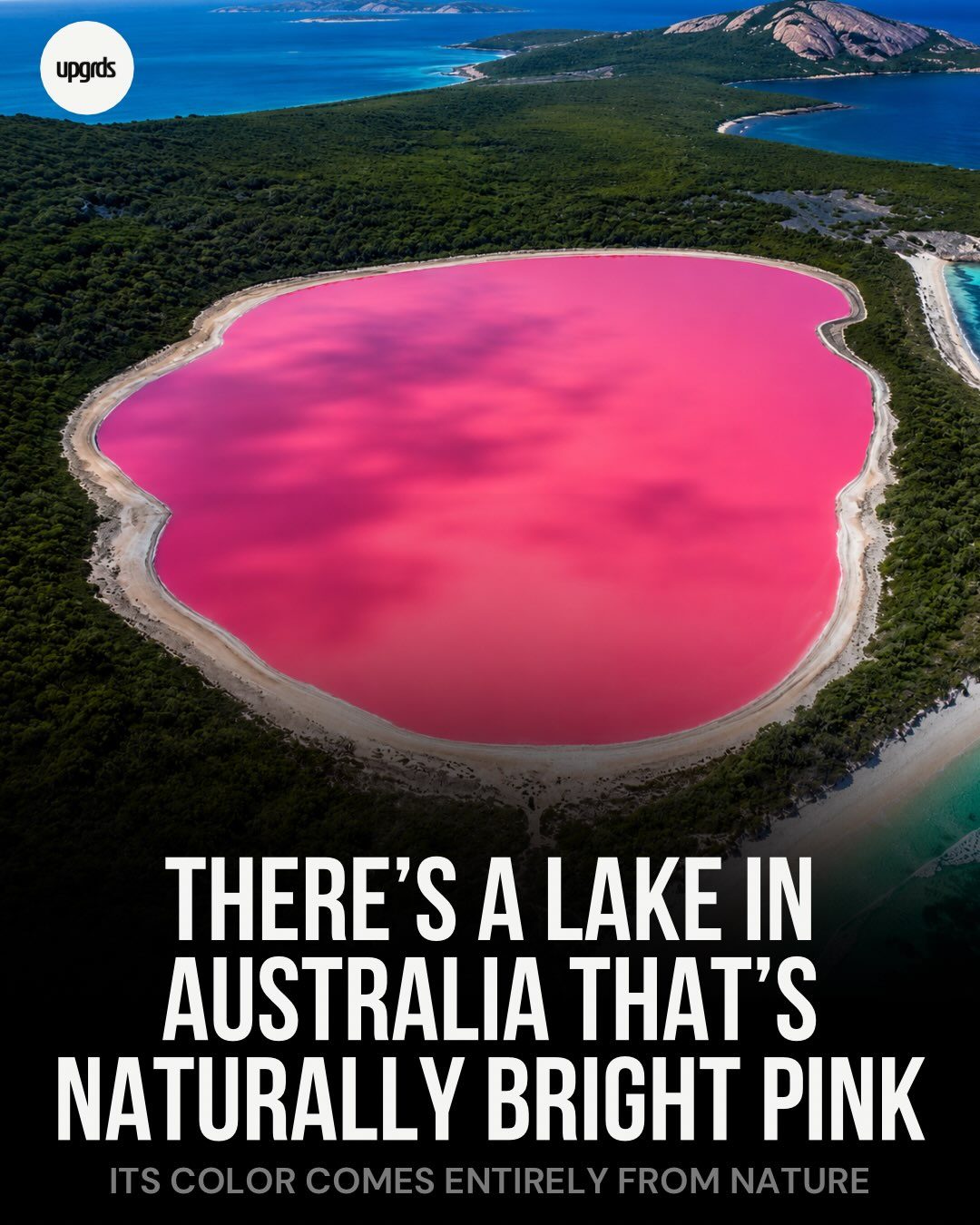
Lake Hillier, located off the coast of Western Australia, is one of the world’s most remarkable natural wonders. Known for its vibrant pink color, this unique lake is separated from the deep blue Southern Ocean by a narrow strip of white sand, creating a striking natural color contrast that’s hard to forget.
Why this matters
Lake Hillier is a testament to the incredible variety of natural phenomena that can occur on our planet. Its unique coloration, consistent throughout the year, makes it a standout destination for travelers and nature enthusiasts. Understanding the science behind this vibrant lake offers insights into the delicate balance of ecosystems and the fascinating ways in which organisms can adapt to unique environments.
Main discussion
The science behind the pink color
The vibrant pink color of Lake Hillier is entirely natural and is believed to come from salt-loving microorganisms and algae that thrive in the lake’s highly saline water. These microorganisms, which include species of algae and bacteria, produce pigments that contribute to the lake’s distinctive hue. Unlike many other pink lakes, Lake Hillier has historically remained pink throughout the year, even when its water is collected in a container. This consistency points to the stability of the ecosystem and the resilience of the microorganisms that call it home.
The surrounding ecosystem
Lake Hillier is surrounded by lush greenery and sits adjacent to the deep blue Southern Ocean. The narrow strip of white sand that separates the lake from the ocean creates a dramatic contrast, enhancing the visual appeal of the lake. This unique landscape provides a habitat for various plant and animal species, contributing to the overall biodiversity of the region. The mix of vibrant pink, deep blue, and lush green creates one of the most striking natural color contrasts on Earth.
Historical significance and conservation
Lake Hillier has been a subject of interest for scientists and travelers for many years. Its unique characteristics have made it a popular destination for those seeking to experience one of nature’s most extraordinary sights. Conservation efforts are essential to preserve this natural wonder and ensure that future generations can appreciate its beauty. The ecosystem around Lake Hillier is delicate, and it is crucial to maintain the balance to protect the unique organisms that thrive in its saline waters.
Practical tips
When planning a visit to Lake Hillier, it’s important to be prepared for the unique environment. The lake is not accessible by regular roads, so you’ll likely need to arrange a guided tour or charter a boat to reach it. Here are a few practical tips for your visit:
Best times to visit
The best times to visit Lake Hillier are during the late spring and early summer months. The weather is generally mild and pleasant, making it ideal for exploring the lake and its surroundings. However, keep in mind that the weather can vary, so it’s a good idea to check the forecast before you go.
What to bring
Pack for a day of outdoor activities. Bring sun protection such as a hat, sunscreen, and sunglasses. Also, don’t forget to bring plenty of water and snacks, as well as a camera to capture the stunning views. Comfortable walking shoes are also recommended, as you may need to walk a bit to access the best vantage points.
Guided tours and local expertise
Consider booking a guided tour with a local expert. They can provide valuable insights into the lake’s ecosystem, the best spots for photography, and local legends. Guides can also ensure that you adhere to any environmental regulations, helping to preserve the lake’s delicate balance.
Important Takeaways
Lake Hillier stands out as a natural marvel, showcasing the beauty and complexity of our planet’s ecosystems. Its vibrant pink color is a result of unique microorganisms that thrive in the saline water, making it a fascinating subject for scientific study. The contrast between the lake’s pink hue and the surrounding greenery and blue ocean creates a visually stunning landscape that attracts visitors from around the world.
Conclusion
Lake Hillier is a must-visit destination for anyone interested in the natural wonders of the world. Its unique coloration, stable ecosystem, and striking natural contrasts make it a standout location. Whether you’re a nature enthusiast, a photographer, or simply someone looking to experience something extraordinary, Lake Hillier offers an unforgettable experience. By understanding and appreciating this natural marvel, we can help ensure its preservation for future generations to enjoy.
Questions readers ask
Why is Lake Hillier in Australia so vividly pink?
Lake Hillier's vibrant pink color is primarily due to the presence of a specific type of bacteria and algae that thrive in the lake's high salinity environment, which comes from the high salt content, which draws moisture from the lake via osmosis. The microorganisms produce a red pigment called carotenoids, which gives the lake its unique pink hue.
Can you swim in Lake Hillier?
While the pink color of Lake Hillier is enticing, swimming in the lake is not recommended. The lake's extremely high salt concentration, about eight times saltier than the ocean, can cause discomfort and irritation. Also, it's important to note that the lake is part of a protected conservation area, and swimming is prohibited to preserve the natural ecosystem.
How is it that the pink color of Lake Hillier remains constant throughout the year?
The consistent pink color of Lake Hillier is maintained due to the stable environment of the lake. The high salinity and the unique microorganisms that thrive in this environment remain constant, ensuring the color does not change with the seasons. Additionally, the lake's isolation from other water bodies helps maintain its unique chemical composition.
What is the best way to visit Lake Hillier?
Lake Hillier can be accessed by taking a scenic helicopter tour or a boat cruise from the nearby town of Esperance. Guided tours are available, and they provide a unique perspective of the lake’s vibrant color from above and the surrounding landscape.
Are there any other pink lakes in the world similar to Lake Hillier?
Yes, there are a few other pink lakes around the world, though Lake Hillier is one of the most famous due to its vibrant color and unique location. Some other notable pink lakes include Lake Hutt in Western Australia, Lake Retba in Senegal, and Hutt Lagoon in Australia. Each of these lakes has a unique ecosystem and coloration due to the presence of specific microorganisms.
What kind of wildlife can be found in and around Lake Hillier?
The area surrounding Lake Hillier is home to a variety of wildlife, including birds, reptiles, and marine life. The lake itself, however, has a unique ecosystem with salt-tolerant microorganisms that produce the pink color. The nearby ocean and coastal areas support a range of marine species, making it a rich biodiversity hotspot.
Is Lake Hillier located on an island or the mainland?
Lake Hillier is located on Middle Island, part of the Recherche Archipelago off the coast of Western Australia. The island is known for its diverse landscapes, including the vibrant pink lake, pristine beaches, and lush vegetation, offering a unique and captivating natural setting.
Related deep dives
Similar reads based on topic and creator.




Recent articles
Fresh deep dives from the latest Reels we unpacked.




Comments
Be the first to comment.