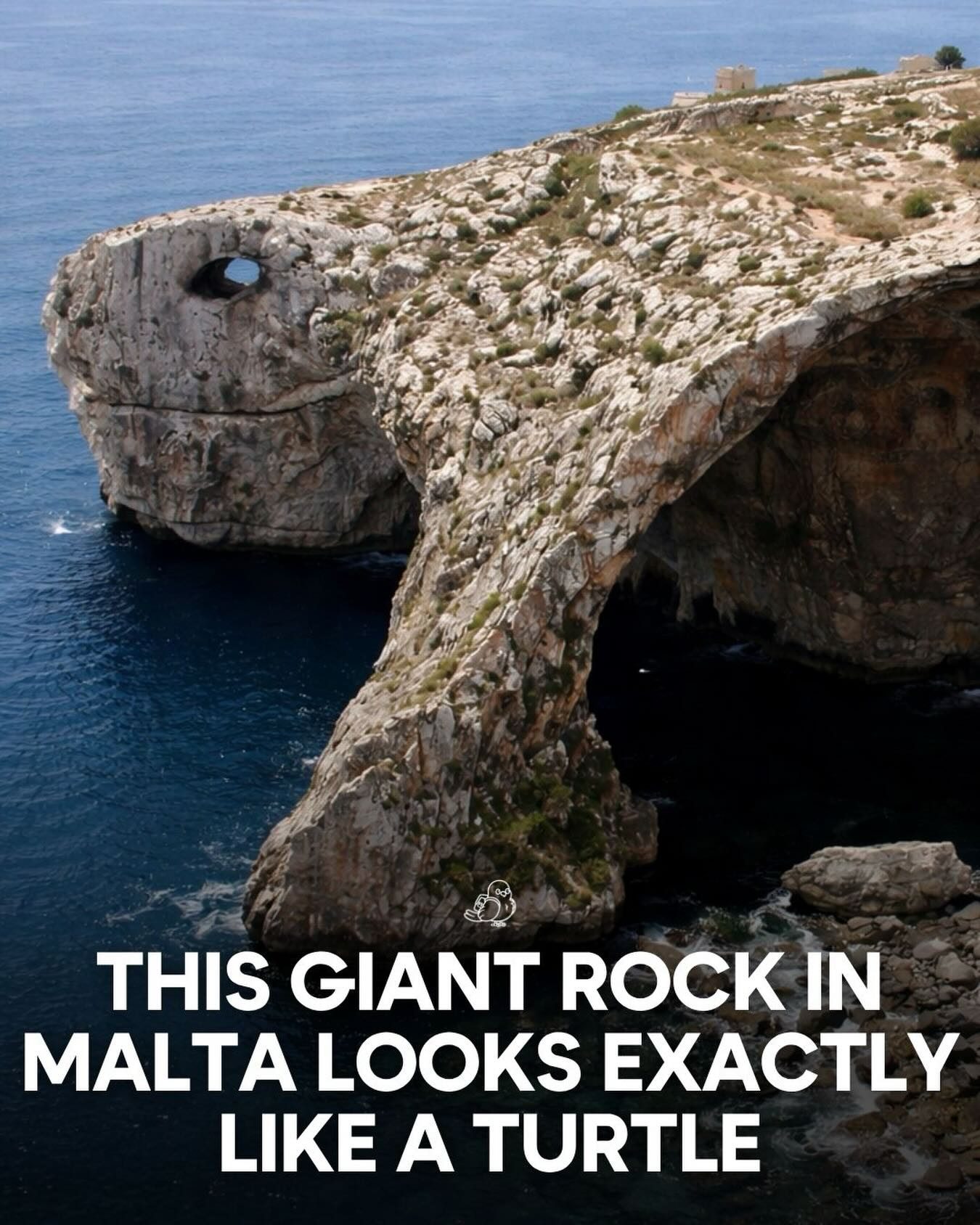
Malta's Turtle Rock: A Natural Wonder on the Island's South Coast
Nestled along Malta's south coast near the iconic Blue Grotto, Turtle Rock stands as a testament to the power of natural forces and the stunning beauty they can create. This massive natural formation, shaped over time by sea erosion, bears an uncanny resemblance to a giant tortoise, making it one of the most recognizable and photographed features in the area.
Why Turtle Rock Matters
Turtle Rock's unique shape and cliffside setting make it a must-see destination for travelers and nature enthusiasts alike. Its striking resemblance to a sea turtle has captivated visitors for years, and the surrounding landscape offers breathtaking views of the Mediterranean Sea. The rock's formation serves as a reminder of the dynamic processes that shape our planet, turning an ordinary geological feature into an extraordinary sight.
Turtle Rock: A Geological Marvel
The Formation Process
Erosion is the driving force behind Turtle Rock's distinctive shape. Over millennia, the relentless action of waves and sea currents has sculpted the limestone rock, gradually carving out a structure that mimics a sea turtle. The cave-like opening at the top of the rock forms the turtle's head, while the rest of the formation creates the shell and body.
The Geological Context
Malta is renowned for its unique geological features, with various rock formations dotting its coastline. Turtle Rock, however, stands out due to its striking resemblance to an animal, making it a fascinating subject for geologists and nature lovers alike. The island's limestone bedrock provides the perfect canvas for such natural sculptures, shaped by the constant interplay between land and sea.
The Blue Grotto Connection
Located near the famous Blue Grotto, Turtle Rock benefits from the area's natural beauty and tourist appeal. The Blue Grotto is a series of sea caves known for the brilliant blue reflections of sunlight on the water – a sight that attracts thousands of visitors each year. While the Blue Grotto offers a serene and mystical experience, Turtle Rock provides a more dynamic and dramatic landscape, showcasing the raw power of geological forces.
Practical Tips for Visiting
Best Time to Visit
The best time to visit Turtle Rock is during the spring or early autumn months, when the weather is pleasant, and the crowds are smaller. This will allow you to fully appreciate the rock formation and its surroundings without the interference of peak tourist season.
Getting There
To reach Turtle Rock, head to the south coast of Malta and drive towards the Blue Grotto. The rock formation is easily accessible by car and is just a short walk from the Blue Grotto parking area. There are also local bus routes that can take you to the area, making it convenient for those relying on public transportation.
Exploration and Photography
Turtle Rock offers numerous opportunities for photography, especially with its unique shape and scenic backdrop. For the best photos, arrive early in the morning or late in the afternoon to capture the golden hour light. A wide-angle lens can help you capture the entire formation, while a telephoto lens can be used to focus on the finer details of the rock.
Nearby Attractions
While Turtle Rock is a fascinating attraction in itself, the surrounding area offers plenty of other sights to explore. The Blue Grotto is a must-visit, with its stunning blue waters and caves. For a more adventurous experience, consider a boat tour of the nearby caves and arches, or even a short hike along the cliffside trails.
Important Takeaways
The Turtle Rock formation in Malta is a remarkable example of how nature can create art-like structures through the process of erosion. Its unique shape and cliffside setting make it a must-visit destination for those exploring the south coast of Malta. The rock's proximity to the Blue Grotto adds to its appeal, providing visitors with a variety of natural wonders to explore in one trip.
Conclusion
Turtle Rock is more than just a fascinating geological feature; it's a symbol of the natural beauty and diversity that Malta offers. Whether you're a traveler seeking stunning landscapes or a geology enthusiast eager to explore the island's unique formations, Turtle Rock promises an unforgettable experience. The next time you're in Malta, be sure to include this remarkable site in your itinerary and marvel at the wonders of nature's artistry.
Related deep dives
Similar reads based on topic and creator.




Recent articles
Fresh deep dives from the latest Reels we unpacked.



Comments
Be the first to comment.