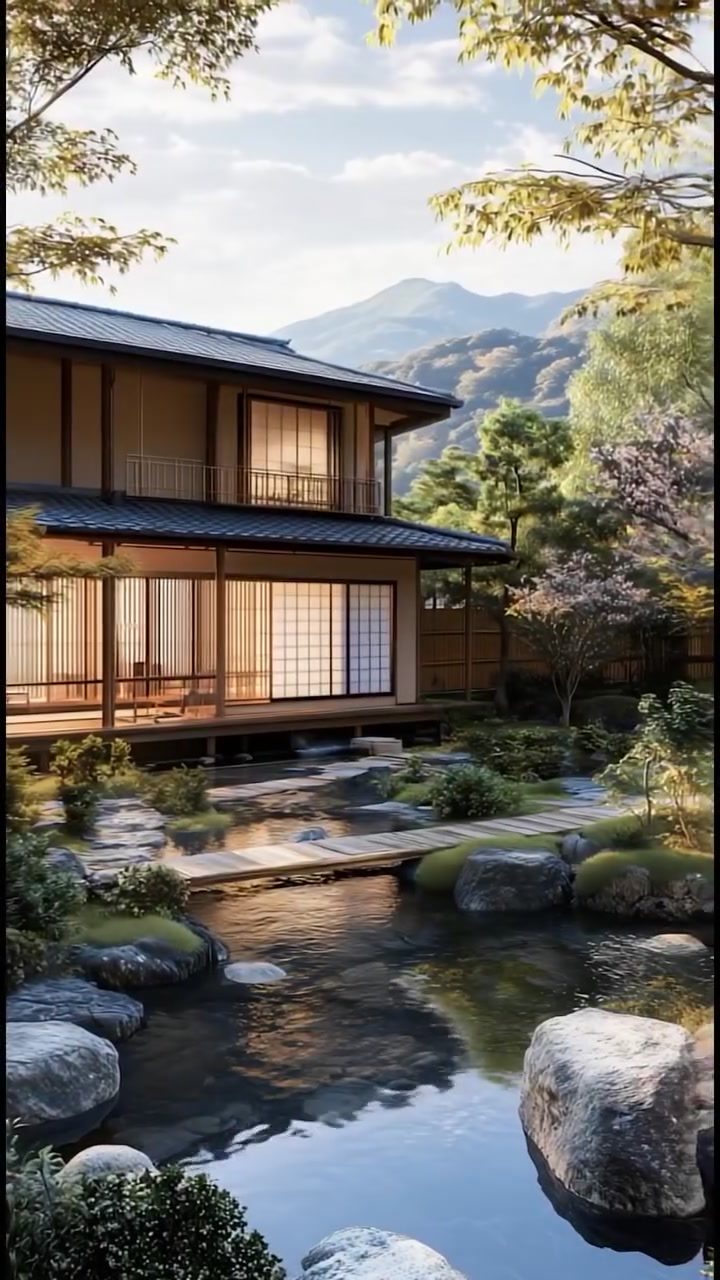
Japanese Garden and Interior Design
Japanese garden and interior design is renowned for its tranquil beauty and seamless integration of nature into living spaces. This design philosophy emphasizes natural elements, simplicity, and a harmonious blend of indoor and outdoor environments. Understanding the principles behind Japanese garden and interior design can inspire serene and harmonious living spaces.
Why this Matters
In today's fast-paced world, creating a peaceful and tranquil living environment is more important than ever. Japanese garden and interior design principles offer a unique solution to achieving this balance. By incorporating natural elements and creating a seamless connection between indoor and outdoor spaces, these design principles can help reduce stress and promote well-being.
Main Discussion
The Principles of Japanese Garden Design
Japanese garden design is deeply rooted in the country's cultural and spiritual heritage. Natural elements such as water, rocks, and plants are carefully selected and arranged to create a sense of tranquility and harmony. The use of water features, like streams and ponds, not only adds a calming visual element but also creates a soothing auditory experience. Stone pathways and meticulously placed rocks evoke a sense of serenity and mindfulness, inviting visitors to contemplate the beauty of nature.
The Role of Natural Elements
Natural elements play a central role in Japanese garden design. The garden often includes a stream or pond representing the flow of life, while rocks and stones symbolize strength and stability. Plants are chosen for their aesthetic and symbolic significance, with trees, shrubs, and flowers creating a lush, verdant landscape. The careful arrangement of these elements creates a sense of balance and harmony, reflecting the Japanese appreciation for nature's beauty.
Creating a Sense of Tranquility
A key aspect of Japanese garden design is its ability to evoke a sense of tranquility and peace. Whether through the gentle sound of a trickling stream, the rustling of leaves, or the sight of carefully raked sand, each element is designed to create a calming atmosphere. Japanese garden design often includes a Zen garden, featuring raked sand and strategically placed rocks, which encourages meditation and reflection.
The Integration of Natural Light in Interior Design
Natural light is a fundamental element in Japanese interior design. The use of large windows and open spaces allows for ample sunlight, creating a bright and airy atmosphere. This design approach not only enhances the aesthetic appeal of the space but also promotes a sense of well-being by connecting the interior with the natural environment outside.
The Use of Natural Materials
Natural materials such as wood, bamboo, and stone are preferred in Japanese interior design. These materials not only blend seamlessly with the natural surroundings but also add a sense of warmth and comfort to the living space. The use of natural materials also reflects the Japanese appreciation for craftsmanship and the beauty of imperfection, known as "wabi-sabi."
The Harmony Between Indoor and Outdoor Spaces
One of the defining features of Japanese garden and interior design is the seamless integration of indoor and outdoor spaces. This is often achieved through the use of sliding doors, or "shoji," which can be opened to create a fluid transition between the interior and the garden. This design approach maximizes the use of natural light and fresh air, creating a harmonious and serene living environment.
The Importance of Minimalism and Simplicity
Minimalism and simplicity are core principles in Japanese garden and interior design. Clutter is minimized, and each element is carefully chosen for its aesthetic and functional value. This approach not only creates a visually pleasing space but also promotes a sense of calm and order. The use of neutral colors, clean lines, and uncluttered spaces contributes to the overall tranquility and balance of the design.
Practical Tips
When incorporating Japanese garden and interior design principles into your home, consider the following practical tips:
-
Embrace Natural Elements: Introduce plants, water features, and natural materials into your garden and living spaces. This will create a serene and harmonious environment.
-
Maximize Natural Light: Use large windows and open floor plans to allow for ample natural light. This will not only brighten up your space but also create a connection with the outdoors.
-
Choose Natural Materials: Opt for natural materials like wood, bamboo, and stone. These materials blend well with the natural surroundings and add a sense of warmth and comfort.
-
Create a Seamless Transition: Use sliding doors or other design elements to create a fluid transition between indoor and outdoor spaces. This will help in maximizing the use of natural light and fresh air.
-
Emphasize Minimalism and Simplicity: Keep your space clutter-free and choose each element for its aesthetic and functional value. This will create a visually pleasing and tranquil environment.
Important Takeaways
Japanese garden and interior design principles offer a timeless approach to creating serene and harmonious living spaces. By incorporating natural elements, maximizing natural light, and emphasizing minimalism, these design principles can transform your home into a tranquil retreat.
Conclusion
Incorporating Japanese garden and interior design principles into your living space can create a serene and harmonious environment. By carefully selecting natural elements, maximizing natural light, and embracing minimalism, you can achieve a balanced and tranquil living space that reflects the beauty and tranquility of nature.
Questions readers ask
What are the key principles of Japanese garden design?
Japanese garden design is grounded in principles such as asymmetry, naturalness, and the use of natural elements like stone, water, and plants. These gardens often incorporate features like streams, ponds, and carefully placed rocks to evoke a sense of tranquility and natural harmony. Traditional Japanese gardens also use elements like moss, bamboo, and carefully pruned trees to enhance their serene atmosphere.
How can I incorporate Japanese interior design ideas into my home?
To bring Japanese interior design into your home, focus on minimalism, natural materials, and a neutral color palette. Use elements like tatami mats, shoji screens, and sliding doors to create flexible and open living spaces. Incorporate natural materials such as wood, bamboo, and stone, and keep decor minimal to maintain a serene and uncluttered environment.
What is a Japanese Zen garden, and how can I create one at home?
A Japanese Zen garden, or 'Karesansui' garden, is a minimalist, dry landscape garden that uses non-living elements to represent nature. To create one at home, use sand, gravel, and carefully placed rocks to mimic natural landscapes. Incorporate symbolic elements like a raked sand pattern to represent water and use plants sparingly. This type of garden is ideal for small spaces and can be easily maintained.
How does Japanese design emphasize the connection between indoor and outdoor spaces?
Japanese design emphasizes this connection by using elements like large windows, sliding doors, and open floor plans to blur the boundaries between indoors and outdoors. Features like verandas, gardens, and courtyards are often integrated into the home design to create a seamless transition. Natural materials and plants are used both inside and outside the home to maintain visual and spatial continuity.
Recent articles
Fresh deep dives from the latest Reels we unpacked.




Comments
Be the first to comment.