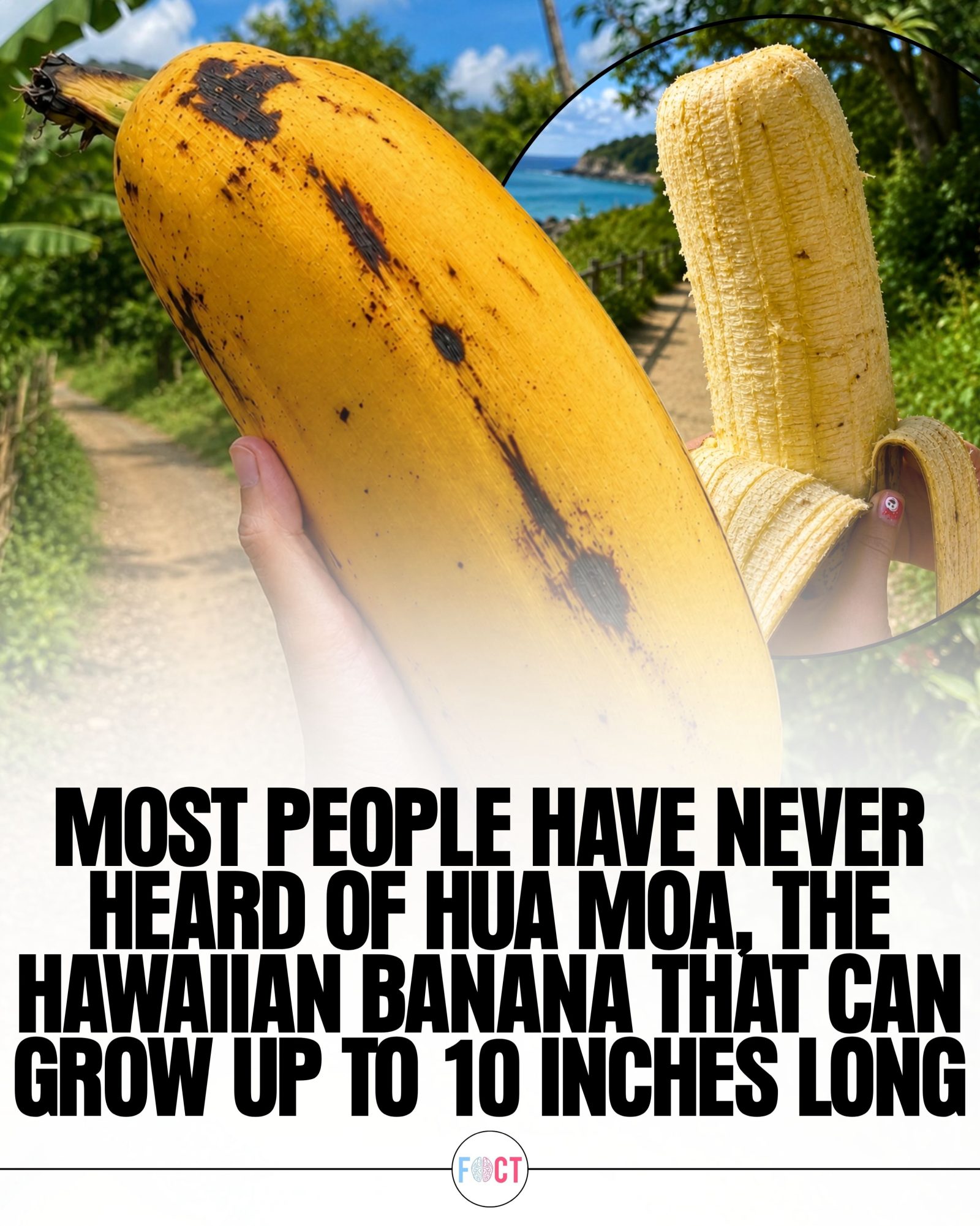
The Hua Moa Hawaiian Banana
The Hua Moa Hawaiian banana is a unique variety that stands out from the typical bananas found in grocery stores. Known for its thick, dense, and unusually large size, this banana is a sight to behold and a delight to taste. Unlike the common Cavendish banana, Hua Moa boasts a creamy, plantain-like texture and is versatile in both raw and cooked dishes.
Why This Matters
The Hua Moa banana is more than just a novelty; it is a culturally significant fruit with a rich history. Originating from Polynesian roots, this variety has been an integral part of Hawaiian and South Florida cuisine, particularly in Latin and Caribbean kitchens. Its decline in production due to storms and disease has made it a rare find, which is why organizations like Slow Food advocate for its preservation. Understanding and appreciating the Hua Moa banana means recognizing its cultural importance and the unique culinary opportunities it offers.
The Hua Moa Hawaiian Banana: A Deeper Look
Origins and Cultural Significance
The Hua Moa banana has deep Polynesian roots and is strongly associated with Hawai’i. Its unique characteristics and cultural significance have made it a symbol of Hawaiian agriculture. In South Florida, especially around Miami, the Hua Moa banana played a crucial role in Latin and Caribbean kitchens, where its thick texture and versatile cooking options were highly valued.
Characteristics and Size
One of the most striking features of the Hua Moa banana is its size. This variety can grow up to 10 inches long and several inches wide, making it significantly larger and thicker than the average Cavendish banana. The fruit's weight can reach close to a pound, making it a substantial and satisfying addition to any meal. Its dense, creamy texture is reminiscent of a plantain, offering a different eating experience compared to the typical Cavendish banana.
Culinary Versatility
The Hua Moa banana’s unique texture and taste make it versatile in various culinary applications. When ripe, it can be eaten raw, but its true potential is unlocked when cooked. The banana can be fried, baked, or used like a plantain in a variety of dishes. Its dense texture holds up well to cooking, making it an excellent ingredient for savory and sweet recipes alike. In South Florida, it was often used in Latin and Caribbean dishes, adding a unique flavor profile to traditional recipes.
Preservation and Revival
The Hua Moa banana's production has declined due to environmental factors such as storms and disease, making it a rare find. However, its cultural importance and unique qualities have led organizations like Slow Food to list it as a variety worth preserving. Efforts are underway to revive the cultivation of this banana, ensuring that future generations can enjoy its distinctive taste and cultural significance.
Practical Tips for Cooking with Hua Moa Bananas
Selecting the Right Banana
When selecting a Hua Moa banana, look for one that is firm but yields slightly to pressure. The peel should be vibrant and free of bruises or blemishes. If you plan to cook the banana, a slightly underripe one will hold its shape better during the cooking process.
Preparing the Banana
To prepare a Hua Moa banana, start by peeling it carefully. The peel can be thicker and tougher than that of a Cavendish banana, so a sharp knife may be helpful. Once peeled, you can slice the banana into rounds or leave it whole, depending on your recipe.
Cooking Techniques
Frying: For a crispy, delicious treat, slice the banana into rounds and fry them in hot oil until golden brown. This method brings out the banana’s natural sweetness and adds a delightful crunch.
Baking: Baked Hua Moa bananas can be a sweet and comforting dessert. Simply slice the banana lengthwise, sprinkle with a bit of sugar and cinnamon, and bake until tender.
Boiling and Mashing: Boiling and mashing the banana creates a creamy consistency, making it a great substitute for plantains in various dishes. This method is ideal for adding the banana to stews, curries, or as a side dish.
Raw Consumption: When ripe, Hua Moa bananas can be eaten raw. The creamy, dense texture makes for a satisfying snack or a unique addition to fruit salads.
Important Takeaways
The Hua Moa Hawaiian banana is a remarkable fruit with a rich history and unique culinary potential. Its dense, creamy texture and versatility in both raw and cooked dishes make it a standout variety. While it is becoming rarer, the efforts to preserve and revive its cultivation are a testament to its cultural significance and culinary value. Whether you’re a food enthusiast or a home cook looking to try something new, the Hua Moa banana offers a delightful and meaningful experience.
Conclusion
The Hua Moa Hawaiian banana is a testament to the diversity and richness of our culinary world. Its Polynesian roots, cultural significance, and unique characteristics make it a fruit worth exploring. From its impressive size and dense texture to its versatility in cooking, the Hua Moa banana offers a memorable culinary adventure. Whether enjoyed raw or cooked, this banana is more than just a food item—it’s a cultural treasure.
Questions readers ask
What makes the Hua Moa Hawaiian banana different from regular bananas?
The Hua Moa Hawaiian banana is distinct due to its large size and thick, creamy texture, similar to a plantain. Unlike common bananas, it is versatile in both raw and cooked preparations, making it a unique addition to various dishes.
Where does the Hua Moa Hawaiian banana originate from?
The Hua Moa Hawaiian banana has Polynesian roots and is deeply valued in Hawaiian culture. It has also become an essential part of Latin and Caribbean cuisines, particularly in South Florida.
Why is the Hua Moa Hawaiian banana considered rare?
The Hua Moa Hawaiian banana's production has declined due to storms and diseases. This rarity makes it a prized find for those interested in exotic and culturally significant fruits.
Can the Hua Moa Hawaiian banana be grown at home?
Growing Hua Moa Hawaiian bananas at home is possible, but it requires the right climate and care. They thrive in tropical and subtropical regions, similar to their native Hawaiian environment. Ensuring proper soil conditions and protection from pests and diseases is crucial for successful cultivation.
What are the best ways to use a Hua Moa Hawaiian banana in cooking?
Due to its dense texture and mild flavor, the Hua Moa Hawaiian banana is excellent for both savory and sweet dishes. It can be baked, fried, or grilled, similar to plantains. In Hawaiian cuisine, it is often used in stews, curries, and desserts.
How does the Hua Moa Hawaiian banana contribute to cultural traditions?
The Hua Moa Hawaiian banana holds significant cultural importance, particularly in Hawaiian and Polynesian traditions. It is often used in traditional recipes and ceremonies, preserving culinary heritage and connecting people to their roots.
What can be done to help preserve the Hua Moa Hawaiian banana?
Organizations like Slow Food advocate for the preservation of rare and culturally significant foods. By supporting these initiatives, planting Hua Moa Hawaiian bananas when possible, and increasing awareness, you can contribute to preserving this unique variety.
Related deep dives
Similar reads based on topic and creator.


Recent articles
Fresh deep dives from the latest Reels we unpacked.




Comments
Be the first to comment.