Unique Traffic Lights in Europe
Traffic lights are ubiquitous in cities worldwide, but in Europe, they often go beyond mere functionality, incorporating local culture, history, and iconic characters. These creative pedestrian signals have become attractions in their own right, adding a touch of personality and charm to urban landscapes.
Why This Matters
These unique traffic lights are more than just tools for regulating traffic; they are cultural symbols that tell the story of the cities they inhabit. By incorporating local history and characters, these traffic lights transform ordinary pedestrian crossings into points of interest that enhance the cultural experience of visitors and locals alike. Whether it's the iconic Ampelmännchen in Berlin, the whimsical Mainzelmännchen in Mainz, or even the Karl Marx-inspired figures in Trier, each design brings a unique flavor to the urban environment.
Main Discussion
Ampelmännchen in Berlin
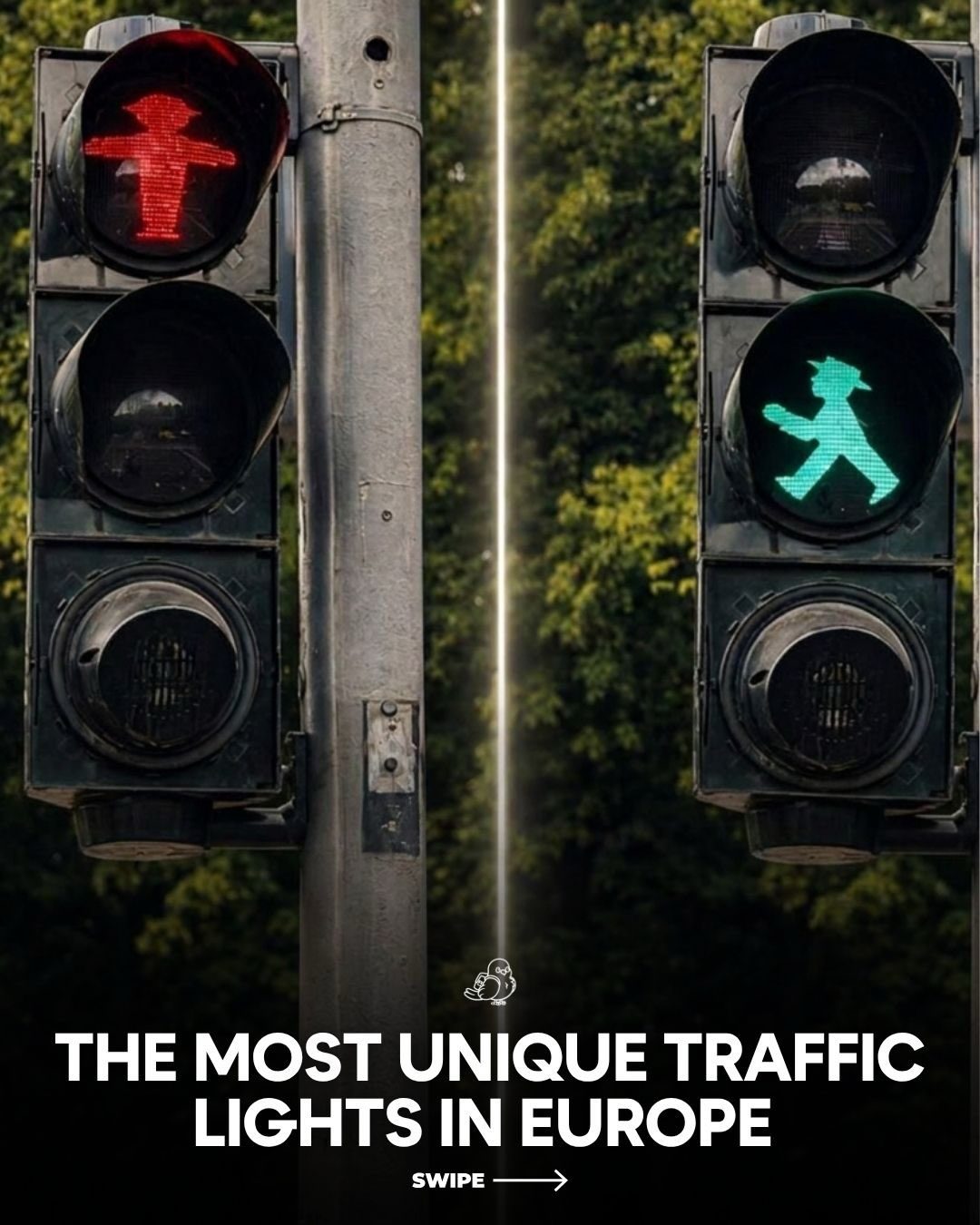
Berlin is renowned for its Ampelmännchen, a pedestrian signal featuring a human figure. The Ampelmännchen is an iconic symbol of the city, and its design dates back to the Cold War era. Originally created in East Berlin, the Ampelmännchen has since become a beloved figure across Germany. These traffic lights often depict a little man in a hat, providing a playful and unique twist to the standard pedestrian signal. The Ampelmännchen's design has even inspired merchandise, books, and exhibitions, further cementing its status as a cultural icon.
Mainzelmännchen in Mainz
In Mainz, the Mainzelmännchen is another beloved traffic light figure. These signals feature a small, red-haired man with a distinctive appearance. The Mainzelmännchen is inspired by the Mainz carnival and is known for its playful and colorful design. The traffic lights in Mainz not only regulate traffic but also add a festive touch to the city’s streets, making them a fun and engaging part of the urban landscape.
Karl Marx in Trier
Trier, known as the oldest city in Germany, has its own unique take on traffic lights with figures inspired by Karl Marx. The city’s traffic lights feature the philosopher's profile, adding a historical and intellectual element to the urban environment. These traffic lights are a nod to Trier’s rich history and cultural significance, making the pedestrian signals a thoughtful and informative addition to the cityscape.
Other Unique Traffic Lights in Europe
Beyond Germany, Europe is home to a variety of unique traffic lights. In the Netherlands, Miffy, the beloved children’s book character, is often featured on pedestrian signals. Denmark takes a different approach with Viking-inspired figures, adding a touch of Nordic mythology to their traffic lights. These creative designs not only serve a practical purpose but also enhance the cultural experience of the cities they inhabit.
The Cultural Significance
These unique traffic lights are more than just functional objects; they are cultural artifacts that tell the story of the cities they inhabit. By incorporating local history, characters, and traditions, these traffic lights transform ordinary pedestrian crossings into points of interest. They serve as a reminder that even the most mundane parts of a city can tell a story and add to the overall cultural experience.
Practical tips
Exploring Unique Traffic Lights
For those planning to explore Europe, seeking out these unique traffic lights can be a fun and rewarding experience. Here are a few tips for making the most of your search:
- Research Local Icons: Before visiting a city, research local icons and cultural figures. Knowing the significance of these figures will enhance your appreciation of the traffic lights and the stories they tell.
- Plan a Route: Create a self-guided tour that includes notable intersections and pedestrian crossings. This will help you discover these unique traffic lights while exploring the city.
- Photography: Bring a camera to capture the unique designs. These photos will serve as a great reminder of your journey and can be shared with friends and family.
- Local Guides and Tours: Consider joining local walking tours or consulting local guides who may offer insights into the significance of these traffic lights.
Important Takeaways
- Cultural Integration: Unique traffic lights integrate local culture, history, and traditions, making pedestrian crossings more engaging and informative.
- Tourist Attractions: These traffic signals often become tourist attractions, adding to the overall cultural experience of a city.
- Creativity in Urban Design: The creative designs of these traffic lights demonstrate how even mundane urban elements can be made more interesting and meaningful.
Conclusion
Traffic lights are an essential part of urban infrastructure, but in Europe, they often go beyond mere functionality. By incorporating local culture, history, and iconic characters, these unique pedestrian signals add a touch of personality and charm to urban landscapes. From the Ampelmännchen in Berlin to the Mainzelmännchen in Mainz and beyond, these traffic lights are a testament to the creativity and cultural richness of European cities. Whether you’re a local or a traveler, taking the time to appreciate these unique traffic lights can enrich your experience and offer a deeper understanding of the cities they inhabit.
Related deep dives
Similar reads based on topic and creator.




Recent articles
Fresh deep dives from the latest Reels we unpacked.




Comments
Be the first to comment.