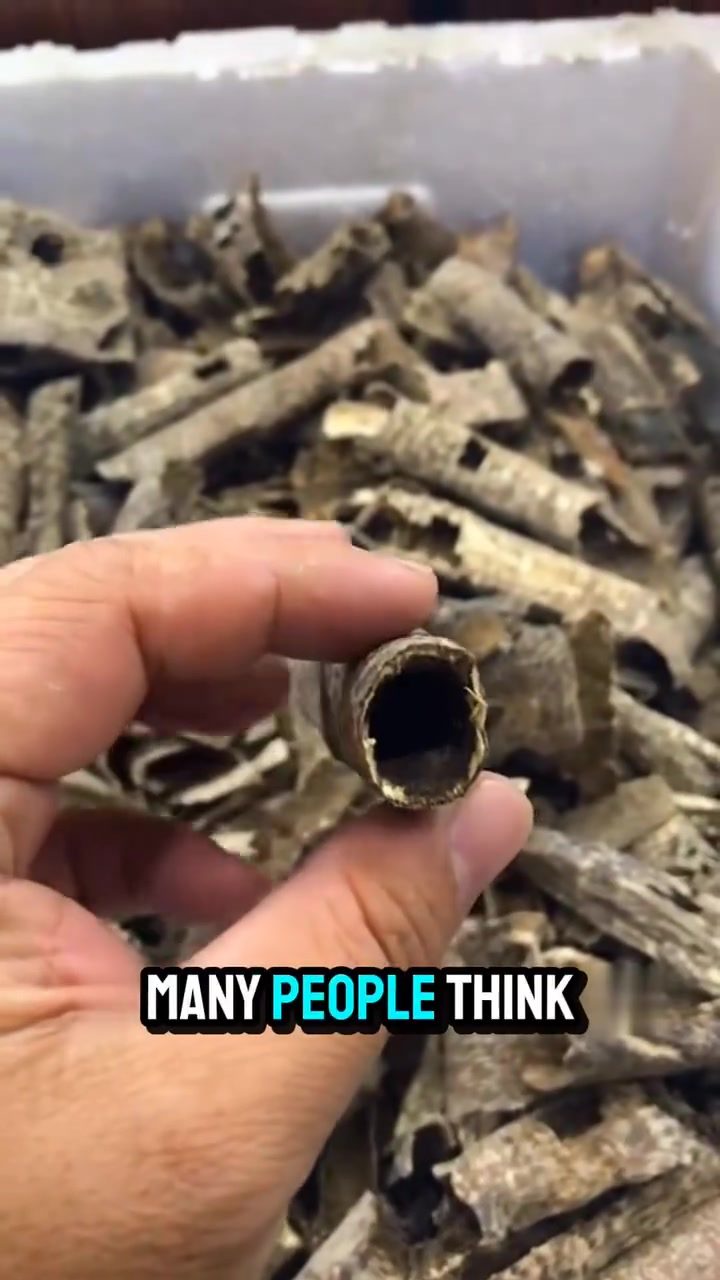
Exploring the World of Agarwood: The Rarest Fragrance
Agarwood, also known as oud, is a type of fragrant resin prized for its rich, aromatic scent. Often referred to as the world's rarest fragrance, agarwood's journey from tree to perfume is a fascinating blend of natural processes and human intervention.
Why Agarwood Matters
Agarwood is not just another type of wood; it is a product of nature's defense mechanisms combined with human ingenuity. Its rarity and unique fragrance make it highly sought after in the perfume and incense industries. Understanding how agarwood is produced and its different types can help appreciate its value and the craftsmanship involved in making it.
The Myth and Reality of Agarwood
Many believe that agarwood comes from a naturally fragrant tree. However, this is a myth. In reality, over 99% of the agarwood sold today is produced by artificially wounding trees to trigger resin formation. This resin is what gives agarwood its distinctive aroma.
The Formation of Agarwood
The Natural Process
Agarwood forms when an agarwood tree is injured and infected by fungi. In response to the damage, the tree slowly produces a fragrant resin around the infected area. This resin hardens and oxidizes over many years, developing the rich aroma that makes agarwood so valuable. The process is slow and natural, contributing to the resin's rarity and high value.
Types of Agarwood
There are three main types of agarwood:
- Wild Agarwood: This is the rarest and highest quality type. It comes from trees that have naturally developed the resin in response to fungal infections.
- Cultivated Agarwood: Produced by drilling or cutting into the tree to induce resin formation. This method is more controlled and can yield higher quantities of resin, but the quality may vary.
- Chemically Induced Agarwood: Created quickly using chemicals to trigger resin formation. While this method is efficient, the resulting agarwood has the lowest quality and fragrance.
The Extraction Process
The process of extracting resin from agarwood trees involves several steps. First, the tree is identified and prepared for extraction. Tools are used to dig through the resinous material and extract the valuable resin. This process requires skill and precision to ensure the tree remains healthy and can continue producing resin.
Practical Tips for Handling and Using Agarwood
Selecting High-Quality Agarwood
When selecting agarwood, look for pieces with a deep, rich color and a strong, sweet fragrance. Avoid agarwood that has a weak scent or appears dull in color, as these are likely lower quality.
Storing Agarwood
To maintain its fragrance, store agarwood in a cool, dry place away from direct sunlight. Keeping it in an airtight container can also help preserve its aroma.
Using Agarwood in Crafts and Perfumes
Agarwood can be used in various crafts, from incense to perfumes. For DIY projects, consider grinding the resin into powder and mixing it with a carrier oil to create a fragrant oil. This oil can then be used in diffusers, candles, or as a base for homemade perfumes.
Important Takeaways
Agarwood is a unique and valuable resin that combines natural processes with human intervention. Understanding its formation, types, and extraction process can help appreciate its rarity and the craftsmanship involved in producing it. Whether used in perfumes, incense, or crafts, agarwood's rich fragrance and historical significance make it a prized material in the world of fragrances.
Conclusion
Agarwood is more than just a fragrant resin; it is a testament to nature's defensive mechanisms and human ingenuity. From its natural formation to the methods of extraction and use, agarwood's journey is a fascinating one. Whether you're a fragrance enthusiast, a crafter, or simply curious about this rare substance, understanding agarwood can enhance your appreciation for its unique qualities and historical significance.
Questions readers ask
What is the difference between wild, cultivated, and chemically induced agarwood?
Wild agarwood is naturally infected and produces resin, while cultivated agarwood is grown and infected by artificial means or fungus. Chemically induced agarwood is formed when trees are injected with specific chemicals to produce resin. This method is often used to meet the high demand for agarwood.
Why is agarwood so valuable?
Agarwood is valuable due to its rarity and unique, rich scent. It is highly sought after in the perfume and incense industries, making it a premium commodity. The intricate process of producing agarwood, whether naturally or through artificial means, also adds to its value.
What is the process of producing agarwood resin?
The production of agarwood resin involves natural processes where the agarwood tree is infected, or artificial means where the tree is intentionally infected with specific fungus or chemicals. It takes several years for the tree to produce sufficient resin, which is then harvested and processed into different forms.
What is the distinction between agarwood and oud?
Agarwood and oud are essentially the same thing. Agarwood is the name for the resinous heartwood of the Aquilaria tree, and oud is the term often used to refer to the aromatic resin and oil extracted from this wood. The terms are used interchangeably in the fragrance industry.
How can you determine the quality of agarwood?
The quality of agarwood can be determined by its scent, color, and density. High-quality agarwood has a strong, rich, and complex fragrance. It is typically darker in color and denser, with a higher concentration of resin. The best agarwood quality is often found in older, naturally infected trees.
What are the different forms in which agarwood is sold?
Agarwood is sold in various forms, including agarwood chips, powder, and oils. It can be purchased as raw resin, or as processed products like incense sticks or perfumes. The form it takes can depend on the intended use, whether it be for burning as incense, as an ingredient in perfumes, or for other aromatic purposes.
How can I sell agarwood and what should I consider?
Selling agarwood involves understanding your target market and the quality of your product. It’s essential to know whether the agarwood is wild, cultivated, or chemically induced, as this can significantly impact its value. Establishing a network with perfume makers, incense producers, and collectors can also be beneficial. Always ensure you are compliant with any legal requirements for selling agarwood, as some species may be protected.
Related deep dives
Similar reads based on topic and creator.




Recent articles
Fresh deep dives from the latest Reels we unpacked.




Comments
Be the first to comment.