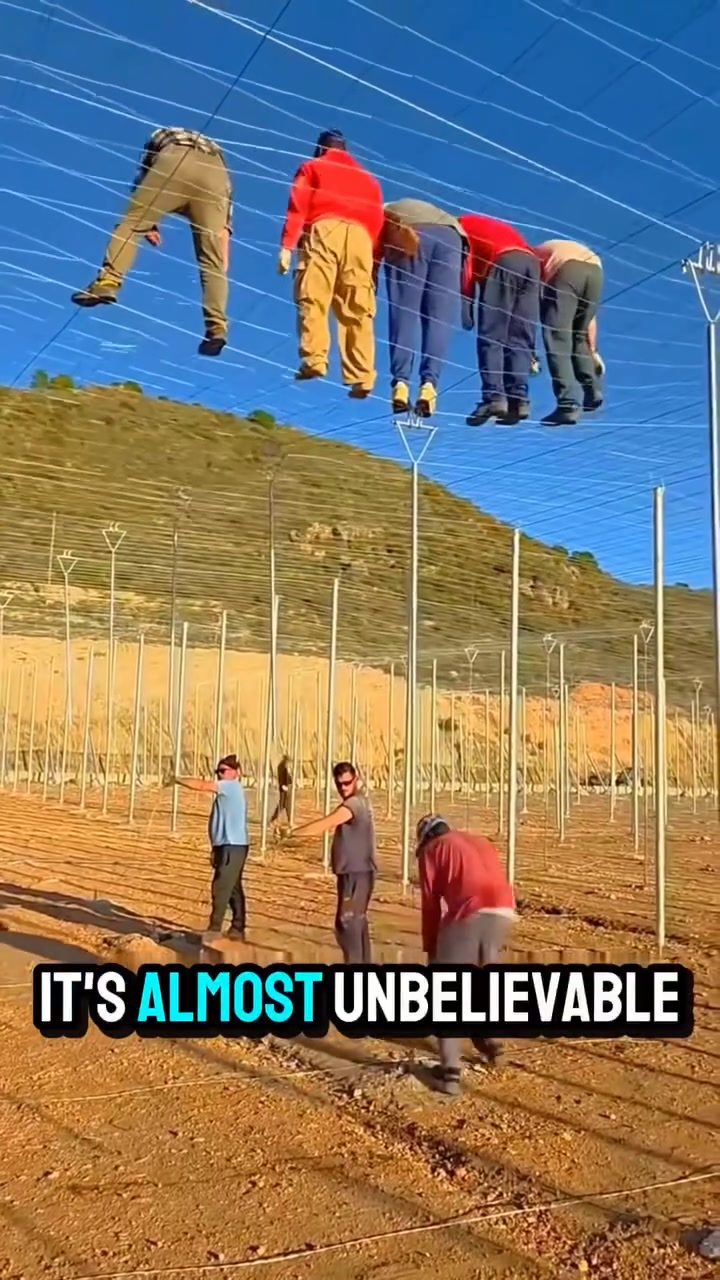
Vineyard Construction and Farming
The construction of a vineyard in a harsh desert environment is an inspiring testament to human ingenuity and the power of innovative agricultural engineering. This story highlights a successful business model that has transformed an inhospitable landscape into a thriving agricultural hub, all thanks to the humble wire mesh.
Context / Why this matters
Agriculture in desert regions poses unique challenges, including extreme temperatures, severe drought, and strong winds. These conditions make it difficult to grow crops and sustain agriculture. However, innovative techniques and engineering solutions have made it possible to cultivate fresh produce in these environments. The success of this vineyard exemplifies how strategic planning, resource management, and a keen understanding of environmental factors can turn barren lands into fertile grounds.
Main discussion
The Initial Framework
The foundation of this vineyard lies in a simple yet effective design: a grid of steel wires stretched across the desert. This initial framework is anchored to massive concrete pillars to withstand the strong winds that are common in desert regions. The concrete foundations provide the necessary stability and strength to the structure, ensuring its longevity and resilience.
Transforming into a Greenhouse
Once the wire mesh framework is securely in place, the next step involves covering it with large sheets of plastic. This transformation creates a greenhouse that drastically alters the microclimate inside. The desert, which is typically scorching hot and dry, becomes a controlled environment where temperature, humidity, and sunlight can be managed.
Controlling Environmental Factors
The greenhouse design is ingenious in its ability to control various environmental factors:
- Temperature: The plastic sheets trap heat, creating a warmer environment inside the greenhouse. This is crucial for growing plants that require specific temperature ranges to thrive.
- Humidity: By regulating water flow and evaporation, the greenhouse maintains optimal humidity levels, which are essential for plant growth.
- Sunlight: The plastic sheets allow sunlight to pass through, providing the necessary light for photosynthesis while protecting the plants from excessive heat and direct sunlight.
Growing Crops in Harsh Conditions
The controlled environment inside the greenhouse enables the cultivation of fresh vegetables and other crops. These crops thrive in conditions that would otherwise be impossible in the desert. The ability to grow fresh produce in such harsh environments not only supports local communities but also provides a valuable source of income.
Economic Impact
The vineyard's success extends beyond agricultural benefits. The fresh produce grown in this controlled environment can be shipped to even larger markets, generating significant profits. This business model showcases how a seemingly simple idea can lead to a multi-million dollar enterprise. The vineyard's ability to produce crops year after year highlights its sustainability and profitability, making it a standout example of successful agricultural engineering.
Practical Tips
Embracing Technology
Adopting technological advancements in agriculture can significantly enhance productivity. Automated irrigation systems, sensors for monitoring environmental conditions, and renewable energy sources can all contribute to the success of a vineyard in harsh environments.
Resource Management
Efficient use of resources, including water and energy, is crucial for maintaining a sustainable vineyard. Implementing water recycling systems, solar power, and other eco-friendly practices can help reduce operational costs and environmental impact.
Strategic Planning
A well-thought-out plan is essential for the long-term success of any agricultural project. This includes selecting the right location, using the appropriate materials, and implementing a robust management system.
Community Engagement
Engaging with the local community can provide valuable support and resources. Collaboration with local farmers, researchers, and businesses can lead to innovative solutions and shared knowledge.
Important Takeaways
Adaptability
The ability to adapt to challenging conditions is key to the success of this vineyard. By creating a controlled environment, the business model demonstrates how innovative engineering can overcome natural barriers.
Sustainability
Sustainability is at the core of this venture. The use of renewable resources, efficient water management, and the cultivation of crops that can thrive in controlled environments ensure long-term viability.
Economic Viability
The economic benefits of this vineyard are substantial. By transforming a barren landscape into a productive agricultural site, the business model not only provides fresh produce but also generates significant revenue.
Innovative Solutions
Innovative solutions are the driving force behind this success. The use of wire mesh, concrete foundations, and plastic sheets to create a greenhouse showcases the power of simple yet effective engineering.
Conclusion
The construction and farming techniques employed in this vineyard set a remarkable example of how innovative engineering and agricultural practices can transform harsh desert environments into profitable agricultural hubs. By controlling environmental factors and utilizing simple yet effective design elements, this vineyard not only thrives but also supports local communities and generates significant economic benefits. This model serves as an inspiration for future agricultural projects, demonstrating the potential for sustainable and successful farming in even the most challenging conditions.
Questions readers ask
What are wire mesh greenhouses and how do they aid in desert farming?
Wire mesh greenhouses are structures designed to control environmental factors like temperature, humidity, and sunlight using wire mesh. In desert farming, they aid by creating a microclimate that protects plants from harsh desert conditions, allowing for successful cultivation in arid regions.
What are the key challenges in farming in desert environments?
The primary challenges of farming in desert environments include extreme temperature fluctuations, severe drought, and strong winds. These conditions make it difficult to grow crops and sustain agricultural activities.
How does greenhouse construction help in reviving dry lands?
Greenhouse construction in dry lands helps by creating a controlled environment that shields plants from extreme heat and wind, conserves water, and regulates temperature and humidity. This enables farmers to grow crops that otherwise would not survive in such harsh conditions.
Can you describe the business model behind successful desert vineyards?
Successful desert vineyards often rely on a business model that combines innovative agricultural engineering, strategic planning, and resource management. This involves using technology like wire mesh greenhouses to create optimal growing conditions and efficiently manage water and other resources
What are some innovative techniques used in desert greenhouse farming?
Innovative techniques in desert greenhouse farming include using wire mesh to control temperature and sunlight, implementing efficient irrigation systems, and employing climate-control technologies. These methods help to create a hospitable environment for crops, making year-round greenhouse farming possible in desert regions.
What makes wire mesh a suitable material for greenhouses in deserts?
Wire mesh is suitable for desert greenhouses because it provides excellent ventilation, allows for natural light to pass through, and helps to regulate the greenhouse temperature. Additionally, it is durable and can withstand the harsh desert conditions, making it a reliable choice for greenhouse construction in arid environments.
How do greenhouse designs in deserts differ from conventional greenhouses?
Desert greenhouse designs typically incorporate features like wire mesh walls, efficient cooling systems, and water-conserving technologies to address the unique challenges of arid environments. They are engineered to maximize ventilation, control temperature, and minimize water loss, which are not as critical in conventional greenhouses.
Recent articles
Fresh deep dives from the latest Reels we unpacked.




Comments
Be the first to comment.