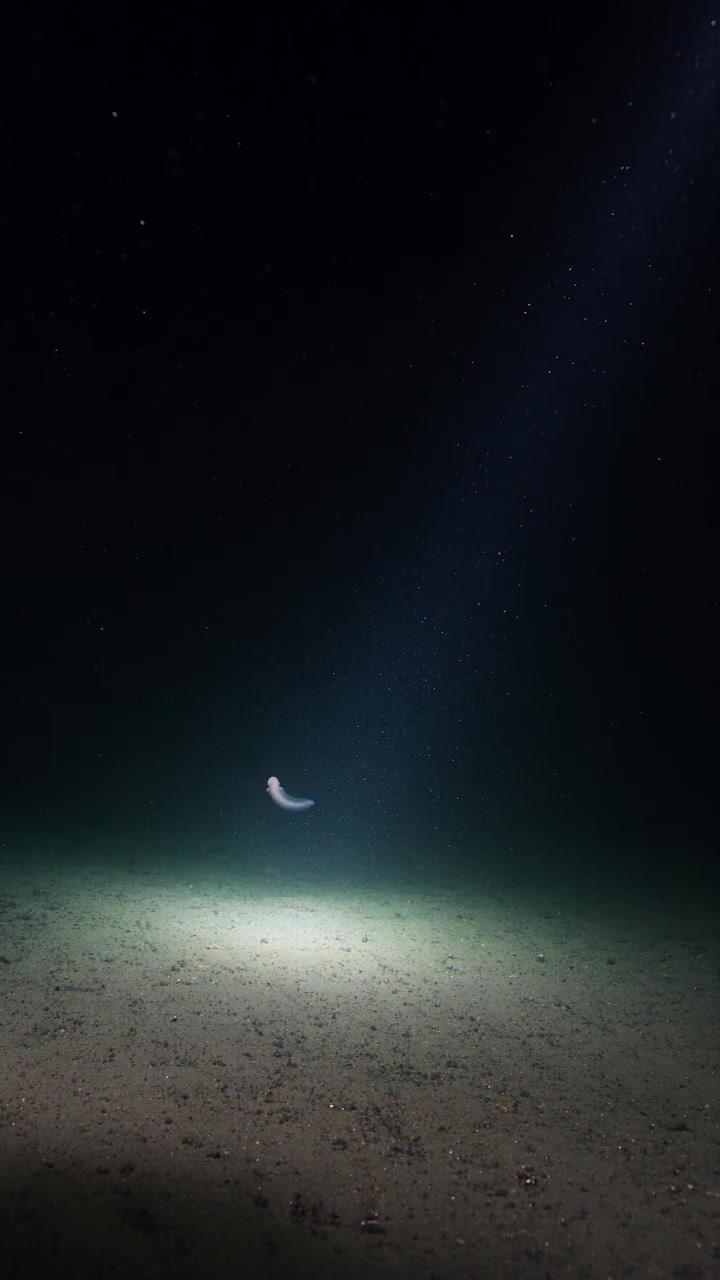
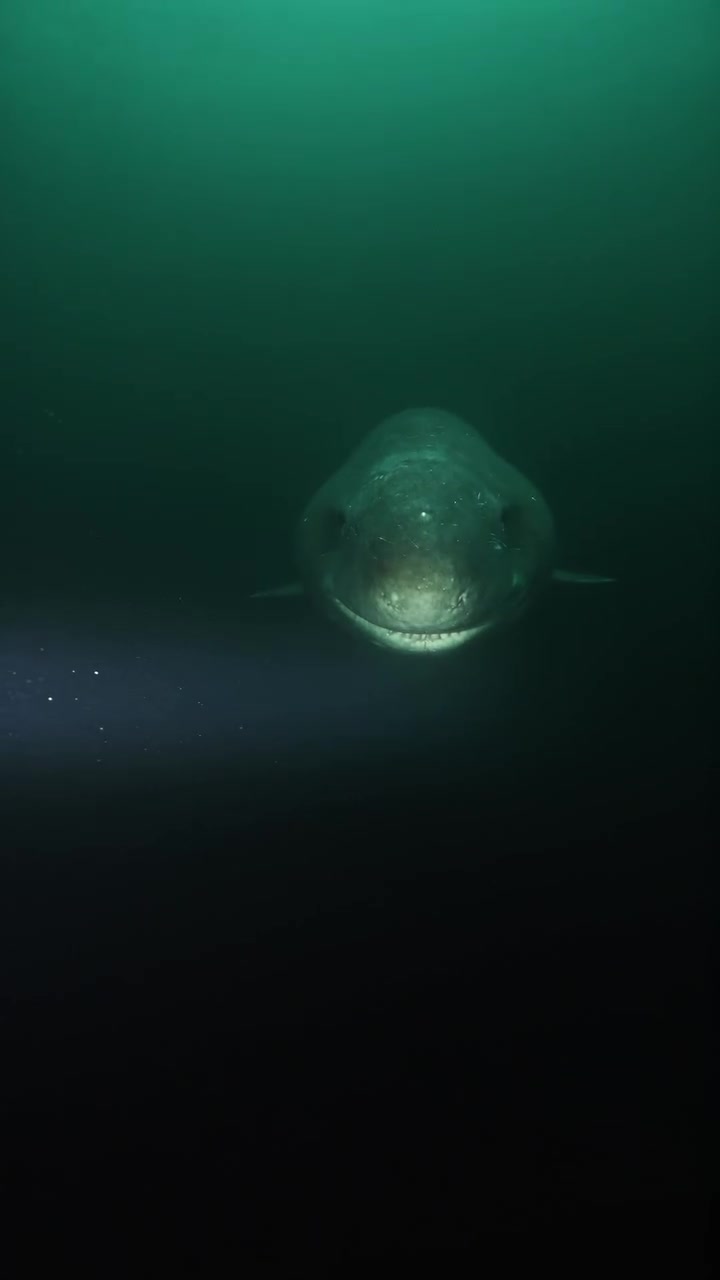
Eight kilometers down the ocean, a small, pale fish floats past a camera. It's the deepest fish ever filmed, looking relatively unconcerned. The short video follows it into the abyss.
The Snailfish at the Bottom of the World
The snailfish entered the world's spotlight when a camera filmed it at 8,336 meters underwater in the Izu-Ogasawara Trench off Japan. This elusive creature is known for its gelatinous body and its habitat ten kilometers underwater, withstanding immense water pressure. Unlike most of its fish relatives, the snailfish lacks rigid parts, relying on a unique molecule that keeps its proteins stable. Its gelatinous consistency not only allows it to resist the crushing pressures at these depths but also allows it to navigate the dark, cold waters where food is sparse. The conditions at such depths are incredibly harsh. "Pressure down there is 800 times greater than at the beach." Turns out most fish can’t survive such conditions, given an exceptional protein-stabilizing molecule that only allows the fish to exist below. The snailfish is at the very edge of the threshold for fish to survive. Its thin, translucent flesh is a delicate testament to its enduring existence.
The Allure of the Unknown
The footage is a sample of a greater collection, a full three-minute story, and a part of the twelve-minute compilation "Animals of the Deep," showcasing both the beauty and the ferocity of ocean life. The ocean depths have always captivated human curiosity. The speculative stories surrounding the deep sea have created a culture of fascination and a sense of mystery within human culture. These stories of the unknown waters triggered human eagerness to explore. Why It Matters The deep sea's extreme conditions challenge conventional notions of survival. The ability of organisms like the snailfish to exist in such hostile environments raises fascinating questions about the boundaries of life. These colonies down below also have significant scientific value for the study of medicinal molecules, bioluminescence, and the hardiness of marine species. What it is Scientists previously believed that fish couldn't survive such extreme depths. Deep-sea researchers discovered snailfish twenty years ago, and they're so thin that they feel like jelly. The molecules in their cells protect their proteins, maintaining their shape. The creature lacks rigid body parts to withstand the immense pressure underwater. The Snailfish Colony Snailfish are small, about as long as a hand, and their gelatinous nature is a testament to their adaptation to the deepest depths. Their habitat is a world that receives no sunlight, where the barometric pressure is eight hundred times that of the surface. But what makes them truly extraordinary is their method of locomotion; unlike many fish, the snailfish barely moves. It merely glides into the light. The delicate creature lacks the energy to thrive in the harsh environment, but it has no need to move quickly.
The Edge of Fish Territory
Wind up, the snailfish will reach the edge of what a fish can be. Snailfish is known for its adaptation and resilience, being able to survive without food for long periods. This is why the snailfish is the first species to reach the boundary of what can be achieved by a fish. Snailfish are one of the most adaptable fish species, able to live in conditions that would kill most other aquatic species. In the deep sea, the fish has to deal with enormous pressure, which can kill most fish. However, the snailfish has a unique ability to adapt to this pressure. It has a special molecule that stabilizes its proteins, allowing it to survive, enabling it to continue on its way, swimming into the abyss.
The Journey Down
To reach the snailfish, a camera traveled through a sea of lights. Lanternfish blinked and jellyfish pulsed, glowing chains longer than a bus. Each of these sea-dwelling organisms has unique adaptations for surviving in the dark, cold, and high-pressure environment.
Life at the Abyss
The dark bottom of the ocean is studded with an estimated 6000 marine species that live there. The deep sea's aquatic kingdoms flourish, teeming with diverse fauna that thrive in the darkness, thus erasing the idea that life is more diverse in places with sunlight. With 95% of the marine basin still unexplored, the unknown depths conceal a myriad of species that have adapted to life away from sunlight. The snailfish is just one of the many fascinating creatures discovered in the depths of the ocean, showcasing the resilience and adaptability of life.
Reaching the Depths
To explore the snailfish’s habitat, scientists utilize specialized submersibles. These submersibles are designed to withstand the immense pressure and darkness of the deep sea. The journey into the dark abyss is fraught with risk and uncertainty. Despite these challenges, scientists remain driven by the allure of discovering new species and understanding the mysteries of deep-sea ecosystems. By venturing into the abyss, researchers gain valuable insights into how life adapts to extreme conditions, offering a fresh perspective on bioluminescent properties and protein stability. The deep sea is a treasure trove of scientific discoveries, and exploring its depths is essential to advancing our understanding of marine life.
The Nearness of the Abyss
The ocean depths are closer than people think. While the abyss remains a mysterious and remote region, the currents of the ocean and marine life spread far. The jet stream of the ocean currents can carry plankton and nutrients to the surface, making the great abyss an ever-present reminder. The deep sea's life forms and conditions are hard to imagine, but they are right around the corner. Taking a step into the ocean's mysteries offers an unforgettable journey, a glimpse of the world's edges and the edge of life itself.
Questions readers ask
What makes the snailfish unique among other deep-sea creatures?
The snailfish is unique due to its gelatinous body and lack of rigid parts, which allow it to withstand immense water pressure at extreme depths. Unlike most fish, it relies on a unique molecule that keeps its proteins stable, enabling it to survive in the harsh conditions of the deep sea.
How deep was the snailfish filmed and what does this tell us about its resilience?
The snailfish was filmed at 8,336 meters underwater, making it the deepest fish ever captured on video. This depth highlights the snailfish's remarkable ability to endure extreme pressures and harsh environments, where most other fish couldn't survive.
What are some of the extreme conditions that the snailfish faces in its habitat?
The snailfish lives in an environment where the water pressure is 800 times greater than at the surface, and it receives no sunlight. Despite these harsh conditions, the snailfish has adapted to survive in the deep sea, where food is scarce and the environment is incredibly challenging.
Can other fish survive at the depths where the snailfish lives?
Most fish cannot survive at the depths where the snailfish lives. The extreme pressure and lack of sunlight make it nearly impossible for other fish to endure these conditions, which is why the snailfish is so extraordinary. Its unique adaptations allow it to thrive in an environment that is inhospitable to most other marine life.
How does the snailfish move in the deep sea?
The snailfish moves very little and glides through the water. Unlike many other fish, it does not have the energy to swim quickly or actively hunt for food. Instead, it conserves energy by moving slowly and efficiently through its dark, cold habitat.
How does the snailfish's body structure help it survive in the deep sea?
The snailfish's gelatinous body structure allows it to resist the crushing pressures at extreme depths. Its lack of rigid parts and unique proteins help it maintain its shape and function in the harsh environment. The snailfish is a testament to the resilience of marine life in the deep sea.
Why are snailfish important for scientific research?
Snailfish are important for scientific research because they challenge our understanding of survival in extreme conditions. Studying these creatures can provide insights into medicinal molecules, bioluminescence, and the hardiness of marine species. Their unique adaptations make them valuable subjects for research in the field of marine biology.
Related deep dives
Similar reads based on topic and creator.

Recent articles
Fresh deep dives from the latest Reels we unpacked.


Comments
Be the first to comment.