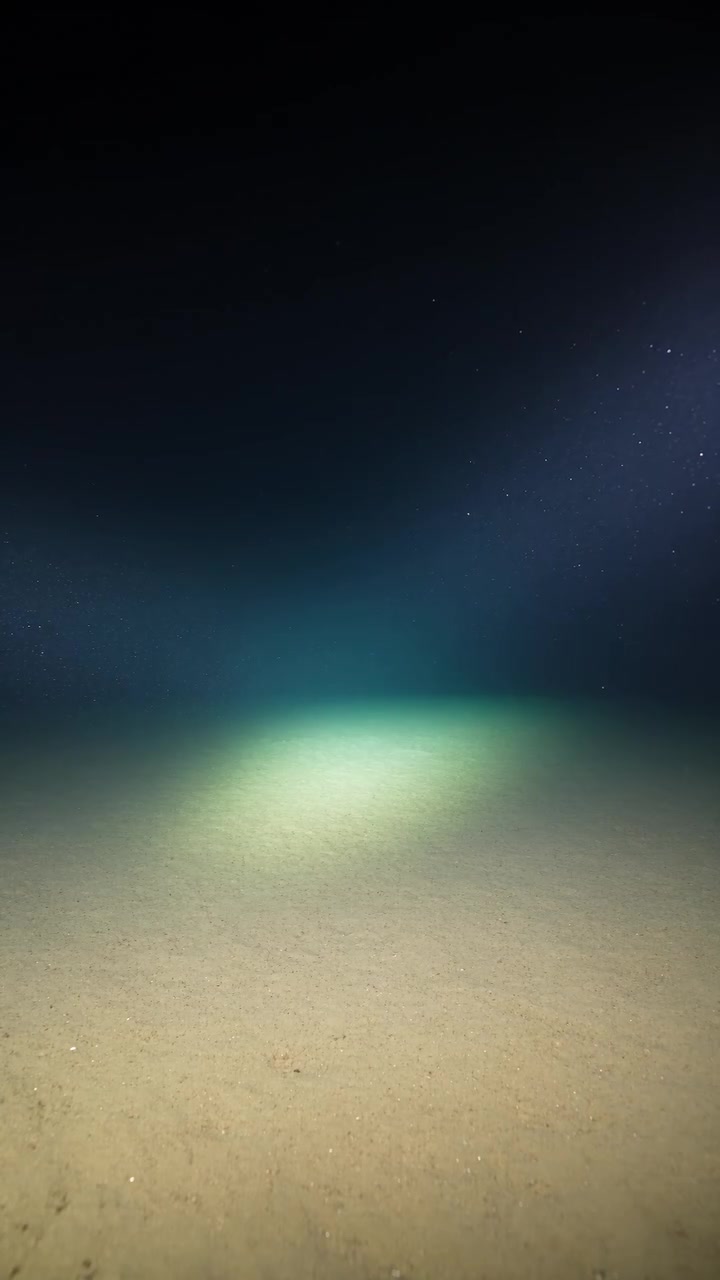
The Challenger Deep, the deepest part of the Marianas Trench, hosts the deepest animal on Earth: a shrimp-like scavenger that thrives nearly 11 kilometers beneath the surface. This creature, an amphipod, has evolved remarkable adaptations to survive in an environment where pressure is “like a hundred elephants standing on a dinner plate”.
The Amphipod: Survivor of the Abyss
The amphipod is a crustacean, a relative of shrimp and crabs. The deepest-sea amphipods are scavengers, subsisting on sunken remains that fall to the trench floor. Typically, the trench's immense pressure would cause most marine life to collapse, but the amphipod has adapted to withstand this extreme environment. Their body structure creates resilience in the trench's immense pressure. Amphipods can coat themselves in aluminium gel from the sea floor, creating a protective armour-like layer to prevent their dissolving in the deep sea's harsh environment. They even thrive in this environment despite scientists discovering traces of plastic within them. This is a testament to the amphipod's adaptability. The deep sea offers ample food supply despite the immense scarcity. These crustaceans will consume any fallen organic matter, such as fallen wood and fish carcasses. Amphipods have enzymes in their gut that digest wood particle nutrients over time, turning the wood into sugar. Beyond their digestive enzymes, amphipods possess another unique adaptation: the ability to consume food particles from any fallen organic material. This behaviour highlights the importance of understanding and studying these creatures' ecological role. Not only does the amphipod have evolved digestive skills, it also sports a remarkable self-defense mechanism. For example, when no fish live at the bottom of the Challenger Deep, amphipods will avoid predators by camouflaging themselves with the mud from the sea floor, thus making up an armour entirely made from the sea floor.
The Deepest Dive of a Marine Species
In the world of wildlife, the deep sea is a world apart. Species which inhabit this area tread the line of survival to the date of their existence, such as the amphipod, are a giant stride in the study of animal physiology and adaptation. Their resilience is a silent testament to the ability of species to adapt to the most inhospitable environments. The depth reaches up to 11 kilometers, where the pressure is unbearable to human standards. This creature has adapted to the marine pressure as a scavenge for survival.
Life in the Abyss: Survival Strategies
Circling for Food
Since amphipods survive on leftover or fallen organic matter they have developed a unique scavenging circle. First, they circle their prey and attack it from behind. This is a strategic move to ensure they circumvent unpredictably dangerous areas, with the only way to escape being by means of a one-way portal to the surface. Second, they target vulnerable spots on their prey such as eyes, fins, or gills. This is a smart move as it knocks out the prey’s main defenses. With such priceless nutritional value, the scavengers must protect their kill from intruders. Some are so territorial that they will even fight off larger predators, which can be more than twice the amphipod’s size.
Chemical Communication
Another distinctive trait of the amphipod is its chemical communication. Most deep-sea species use chemical communication to find one another and to detect prey nearby, unlike surface species that rely on visual cues. Amphipods use chemical trails to form complex, intricate communication patterns. Chemical trails and signals are a form of communication that humans are yet to understand. They use it as a listener to determine the owner of the trail, their mood, and their intentions. Communication has to be short range as deep-sea species are solitary. The deep-sea amphipods only communicate when they are required to, so energy is not wasted.
Mating Rituals
Amphipods are known for their elaborate mating rituals that involve species-specific nuances. The mating process has a colour change and chemical signals. These signals alert potential partners and ward off rivals. The males circle each other, showing off their size and strength, before initiating a spectacular dance in the open water. The winning male then performs a unique, species-specific dance to attract female mates.
Insights for Marine Biologists
Amphipods are not only fascinating creatures but also hold valuable insights for marine biology. It has the potential to revolutionize the field of marine biology and medicine. The amphipod’s unique digestive system could be studied for useful enzymes and other biological components. Deep sea amphipods have a novel adaptation: the ability to consume wood particles and digest them into sugar nutrients. This could lead to discovering useful enzymes and other biological components that could potentially revolutionize the field of medicine and marine biology. The amphipods' ability to thrive at the bottom of the Challenger Deep defies the odds of survival. This gives a glimpse into the possibility of having life on other planets.
Where to Learn More
Understanding the lives of extreme deep-sea creatures like amphipods begins with curiosity and a willingness to explore. Not many deep-sea animals have been discovered and researched as explorers face many obstacles: huge pressure, zero visibility, and other factors. They also face problems with budget, which hinders research. Marine biologists are still exploring reams of marine life that still remain undiscovered today. For deep dives into the world of marine life and exploration, DeepPlanetTV on YouTube offers immersive content.
Questions readers ask
What exactly is the Challenger Deep and why is it significant?
The Challenger Deep is the deepest part of the Marianas Trench, reaching down to about 11 kilometers. It's significant because it hosts some of the most extreme and unique forms of life on Earth, like the amphipod, which has adapted to survive under immense pressure and scarcity.
How do amphipods survive the extreme pressure at the bottom of the Challenger Deep?
Amphipods have evolved unique adaptations to withstand the immense pressure. Their body structure creates resilience and they can coat themselves in a protective aluminium gel layer from the sea floor, which prevents them from dissolving in the harsh environment.
What do amphipods eat in such a food-scarce environment?
The amphipods are scavengers, which means they feed on sunken organic matter that falls to the trench floor, such as fallen wood and fish carcasses. They have enzymes in their gut that help them digest these materials, turning wood into sugar over time.
How do amphipods defend themselves in an environment with no fish?
Despite the absence of fish, amphipods employ their own self-defense mechanisms. They camouflage themselves with mud from the sea floor, creating a protective armor that helps them avoid predators.
What is the significance of studying amphipods and their adaptations?
The amphipod's ability to adapt to such extreme conditions provides valuable insights into animal physiology and evolution. Their resilience highlights the potential for life to thrive in even the most inhospitable environments, making them a key subject for scientific study.
Why do amphipods circle their prey before attacking?
Amphipods circle their prey to strategically avoid unpredictable dangers and to target vulnerable spots, like eyes, fins, or gills. This ensures they can efficiently incapacitate their prey and protect their meal from intruders.
Related deep dives
Similar reads based on topic and creator.

Recent articles
Fresh deep dives from the latest Reels we unpacked.


Comments
Be the first to comment.