Pink-Feathered Owls: Separating Fiction from Reality
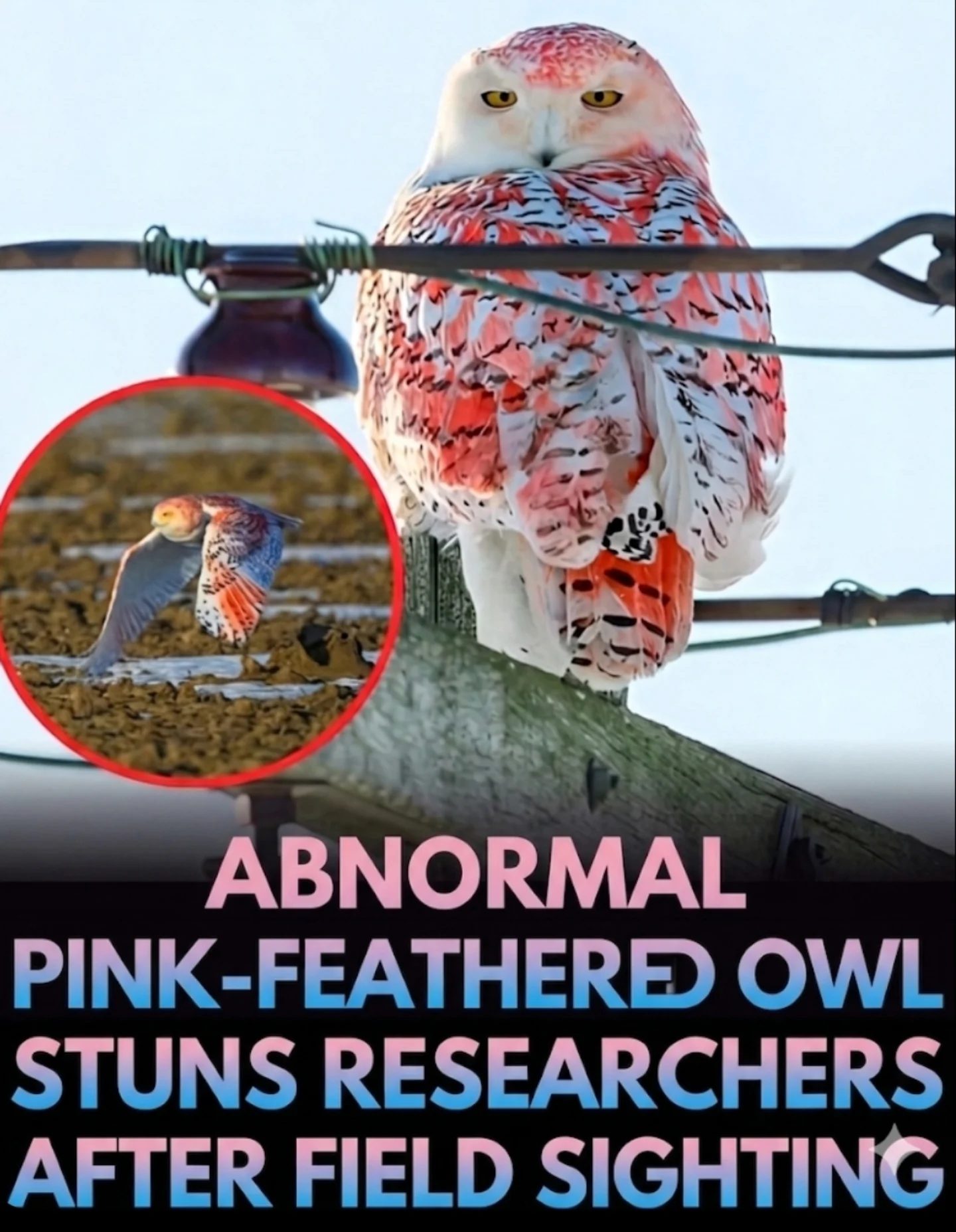
The topic of pink-feathered owls has recently gained traction, sparking curiosity and debate among nature enthusiasts and birdwatchers. The image of a "rainbow-colored" or pink-feathered snowy owl has captivated many, but it's crucial to understand the biological and technical aspects behind this phenomenon.
Context / Why this matters
The allure of vibrant, unnatural colors in animals often piques human interest, leading to widespread sharing and discussion. However, it's essential to separate fact from fiction, especially when it comes to wildlife and environmental reporting. Understanding the truth behind the pink-feathered owl can help prevent the spread of misleading information and ensure accurate representation of the natural world.
Main discussion
The Biology of Owl Coloration
In nature, snowy owls (Bubo scandiacus) are characterized by their white plumage, which can have varying degrees of black or brown spotting. This coloration serves as effective camouflage in their Arctic and tundra habitats, helping them blend in with the snow and hunt more effectively. The vivid pink and blue pigments shown in the manipulated image are not biologically possible for these birds.
Owls, including the snowy owl, are carnivorous raptors. Their diet primarily consists of small mammals, such as lemmings and voles, which do not provide the necessary carotenoids for pink coloration. Some avian species, like flamingos and certain parrots, can exhibit pink or vibrant plumage due to their diet, which includes pigments from specific foods. However, this mechanism does not apply to owl species.
The Role of Digital Manipulation
The image of a pink-feathered snowy owl is a product of digital manipulation or generative AI. These technologies allow for the creation of highly realistic yet fake images, which can be misleading if presented as genuine. The sensationalist framing often used in such cases, such as "baffles scientists" or "stuns researchers," is characteristic of viral misinformation designed to maximize social media engagement rather than provide accurate information.
The Impact of Misinformation
The spread of misleading information about wildlife can have several negative consequences. It can lead to misconceptions about natural phenomena, erode public trust in scientific research, and even influence conservation efforts. For instance, if people believe that pink-feathered owls exist, they might become less concerned about protecting the actual snowy owl population and its natural habitat.
Practical tips
Recognizing Manipulated Images
To avoid falling for manipulated images, here are some practical tips:
- Check the Source: Always verify the source of an image or video. Reliable news outlets and scientific institutions are more likely to provide accurate information.
- Look for Context: Consider the context in which the image is presented. If it seems too good to be true, it probably is.
- Use Reverse Image Search: Tools like Google's reverse image search can help you trace the origin of an image and determine if it has been manipulated.
Supporting Accurate Wildlife Reporting
Encourage accurate wildlife reporting by:
- Sharing Reliable Sources: When you encounter a captivating image or story, share credible sources that provide accurate information.
- Critically Evaluating Content: Encourage others to critically evaluate the content they consume, especially when it comes to wildlife and environmental issues. Encourage a healthy skepticism of extraordinary claims.
- Supporting Scientific Research: Support institutions and organizations that conduct scientific research on wildlife and conservation, ensuring that accurate information is disseminated.
Important takeaways
The image of a pink-feathered owl, while visually striking, is a product of digital manipulation and does not represent a biological reality. Understanding the biology of owl coloration and the role of digital manipulation can help prevent the spread of misinformation. By critically evaluating content and supporting accurate wildlife reporting, we can ensure that the natural world is represented accurately.
Conclusion
While the idea of a vividly colored owl could be fascinating, it's essential to recognize the difference between reality and digital artifice. By separating fact from fiction, we can better appreciate the natural world as it truly is and contribute to accurate wildlife and environmental reporting.
Questions readers ask
What causes the pink feathers in the images of owls?
The pink feathers seen in viral images are not a natural occurrence. Experts confirm that these images are digitally altered, using software to change the owl's natural coloring.
Can owls naturally have pink feathers?
No, owls cannot naturally have pink feathers. Their feathers are typically shades of brown, white, or gray, which help them blend into their environments. The vivid colors seen in manipulated images do not align with owl biology.
Why do people share images of pink-feathered owls?
People often share images of pink-feathered owls because the vibrant, unnatural colors capture attention and spark curiosity. However, sharing such images without verification can contribute to the spread of misinformation.
How can I verify if an image of a pink-feathered owl is real or manipulated?
To verify an image, look for signs of digital manipulation, such as unnatural color distribution or inconsistencies in the feather texture. Additionally, cross-check the image with reliable sources or consult with experts in avian biology.
What is the impact of sharing manipulated images of wildlife?
Sharing manipulated images of wildlife can mislead the public and distort perceptions of real animals. It can also undermine the credibility of genuine wildlife observations and photography, making it harder for accurate information to circulate.
Are there any real birds with naturally vibrant feathers?
Yes, there are many birds with naturally vibrant feathers, such as parrots, toucans, and many species of birds of paradise. However, these birds do not include owls, which typically have more subdued coloration.
Related deep dives
Similar reads based on topic and creator.




Recent articles
Fresh deep dives from the latest Reels we unpacked.




Comments
Be the first to comment.